
Remember the smell of Grandma's kitchen on a Sunday afternoon? Those timeless techniques and "secret" ingredients weren't just habits—they were culinary genius. Revisit the nostalgic flavors of the past and reclaim these forgotten kitchen secrets that still taste like home!
Using Rendered Lard for the Flakiest Pie Crusts
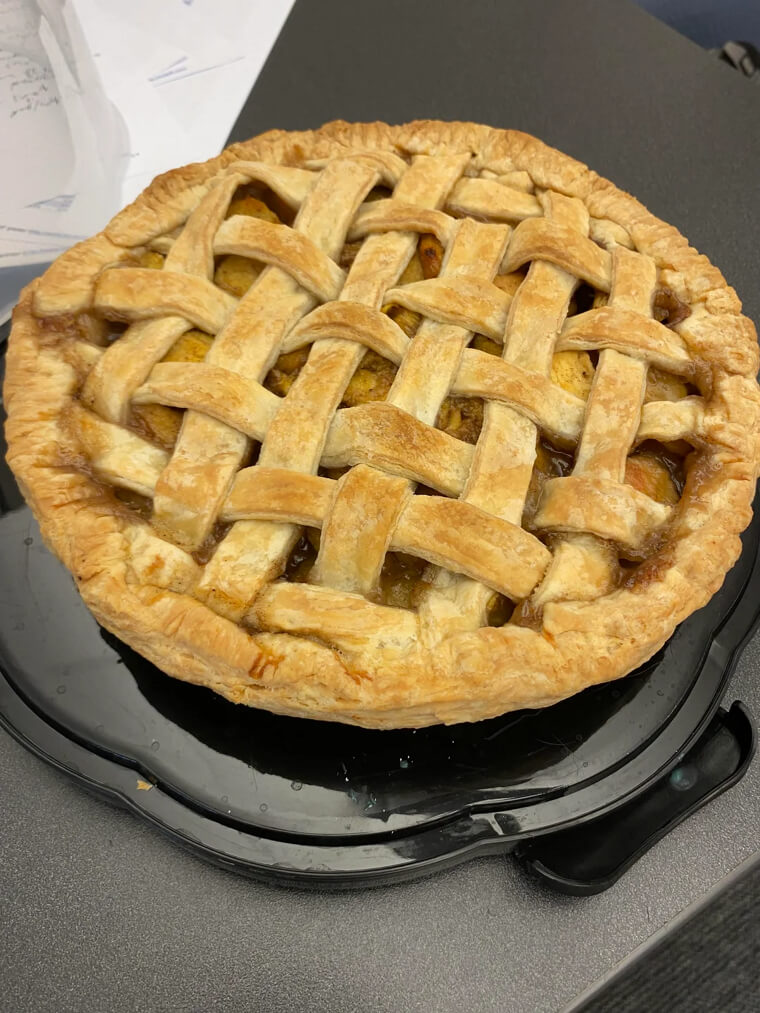
Modern bakers often reach for butter or vegetable shortening, but our grandmothers knew that lard was the secret to a crust that shattered into delicate layers. Rendered leaf lard has a higher melting point than butter, which means it doesn't melt as quickly into the flour while you’re working the dough. This creates distinct pockets of fat that steam up in the oven, resulting in a texture that is impossibly light. While health trends pushed lard out of the kitchen in the late 20th century, many pastry chefs are returning to it for its neutral flavor and superior structural integrity.
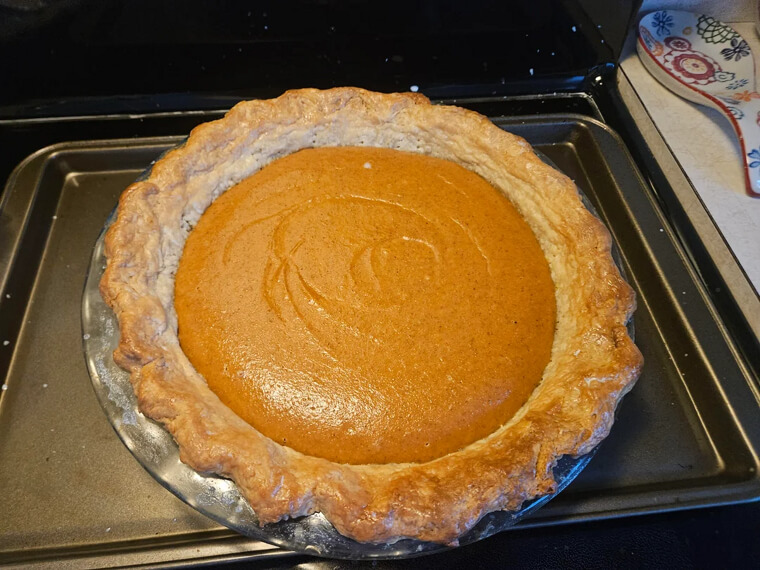
It truly makes a crust that stands up to heavy fruit fillings without becoming soggy-bottomed. This clever trick is still highly effective and truly practical today.
The Vinegar Splash in Boiled Potato Water
Adding a tablespoon of white vinegar to the boiling water when prepping potatoes for salad is a trick that has largely slipped through the cracks. Grandma knew that the acid in the vinegar helps the potato segments hold their shape, preventing them from turning into mush when you toss them with dressing later. The vinegar reacts with the pectin in the potato, strengthening the exterior cell walls. This ensures that every bite has a clean, firm texture while still being perfectly cooked on the inside.
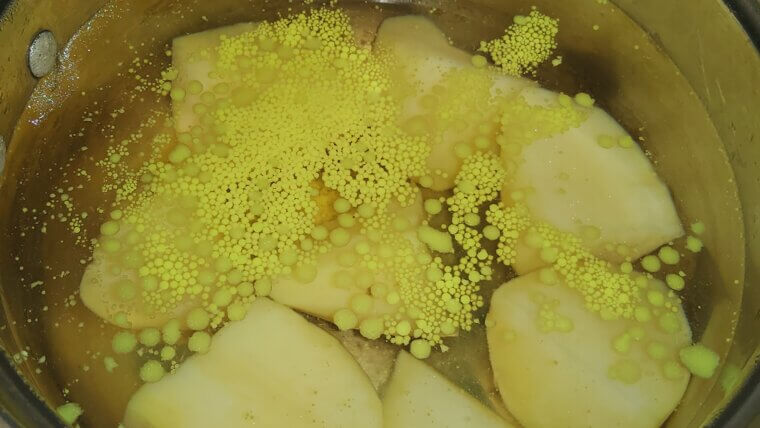
It’s a subtle chemistry lesson that was passed down through observation rather than textbooks, ensuring the perfect consistency for every summer picnic.
Depression Era Wacky Cake Made Without Eggs
Born out of necessity during times of extreme rationing, the Wacky Cake (or Depression Cake) is a marvel of culinary engineering. It uses a combination of baking soda and vinegar to create a chemical reaction that mimics the lift usually provided by eggs. Grandmothers swore by this recipe because it was incredibly moist and required no dairy or expensive fats. You simply mixed the dry ingredients in the pan, made three wells for the liquid, and baked.
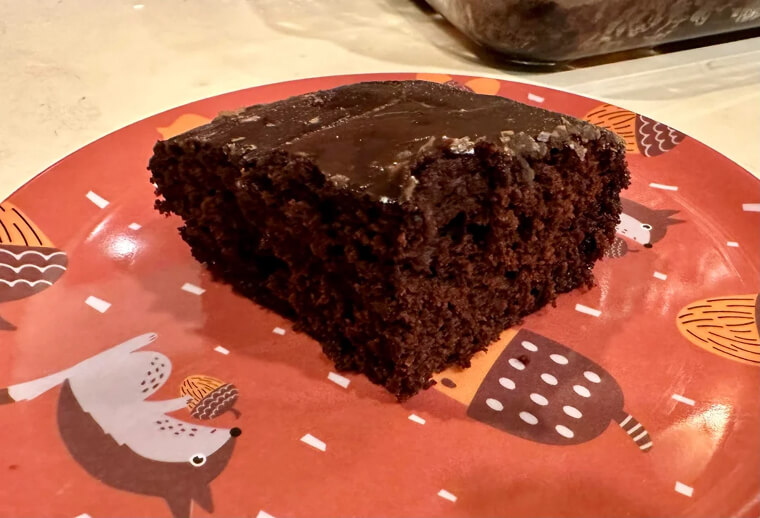
It’s a testament to the creativity of women who refused to let a lack of ingredients stop them from putting a sweet treat on the family table.
Seasoning Cast Iron with Bacon Fat and Time
Before non-stick pans were a staple, the cast-iron skillet was the heartbeat of the kitchen, and its seasoning was a sacred ritual. Grandmothers didn't use soapy water; instead, they wiped the pan clean and rubbed it with a thin layer of bacon grease or lard while the metal was still warm. Over years of daily use, this created a polymerized carbon layer that was smoother and more durable than any modern Teflon coating.
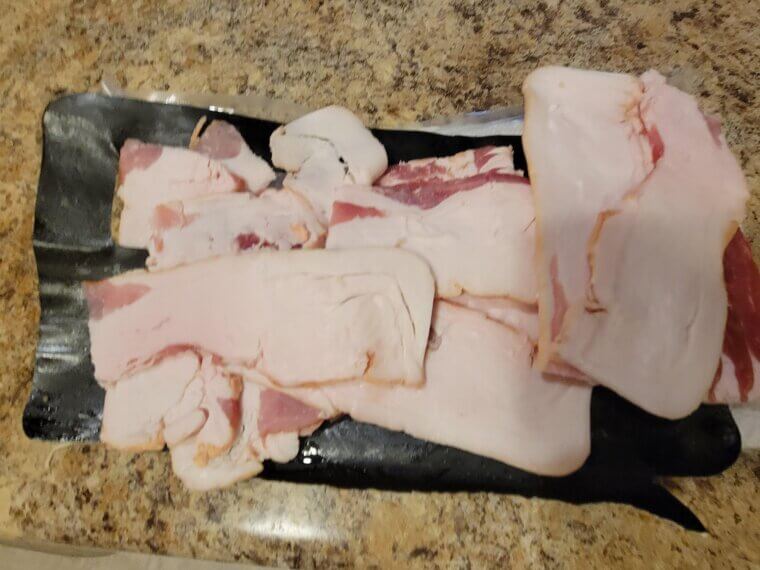
They knew that a well-cared-for pan was an heirloom, often passing them down through generations. The ritual was about patience and the understanding that good things, like a perfect sear, take time to build.
Adding a Pinch of Salt to Coffee Grounds
Long before fancy flavored syrups and high-end creamers, grandmothers had a simple trick for a smoother cup of Joe: a tiny pinch of salt in the coffee grounds. Salt is naturally adept at neutralizing bitterness, which was especially helpful if the coffee beans were over-roasted or the pot had been sitting on the stove for a bit too long. It doesn't make the coffee taste salty; rather, it rounds out the flavor profile and enhances the natural sweetness of the bean.
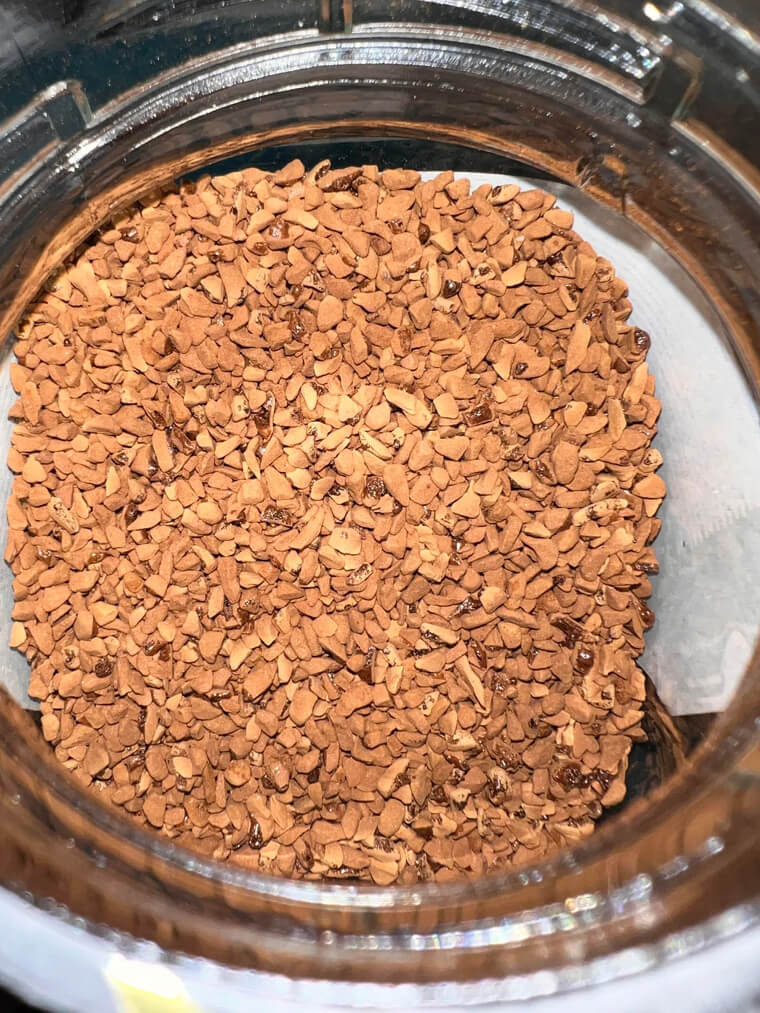
This small addition was the hallmark of a hostess who cared about the comfort of her guests, ensuring every cup was mellow and inviting.
The Art of Cold-Packing Summer Stone Fruits
Preserving the harvest was a seasonal marathon, and cold-packing was a preferred method for delicate fruits like peaches and plums. Unlike the hot-pack method, cold-packing involved tightly nesting raw fruit into jars and pouring hot syrup over them before processing. Grandmothers swore by this because it kept the fruit firmer and preserved that vibrant, fresh-from-the-tree color that often fades with over-cooking. It required a steady hand and an eye for detail to ensure no air bubbles were trapped.
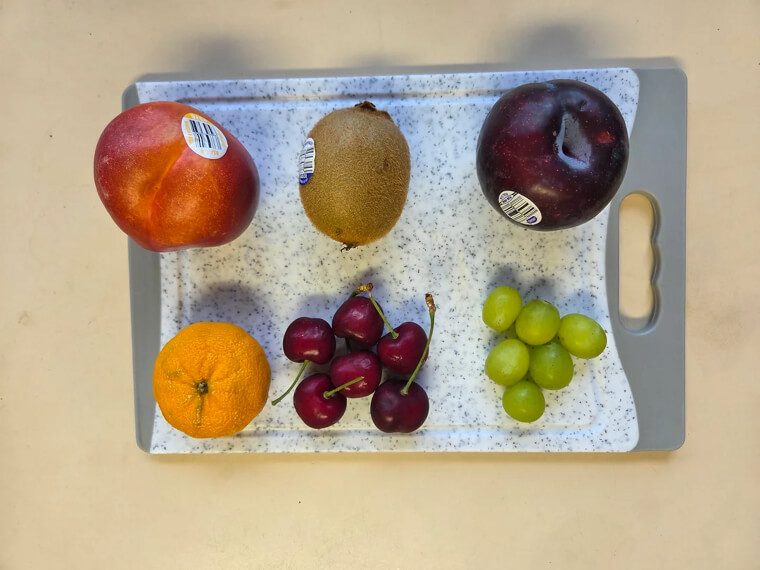
Opening a jar of these peaches in the middle of January was like tasting a sun-drenched July afternoon all over again.
Softening Tough Meat with a Papaya Leaf Wrap
In many rural households, particularly in warmer climates, grandmothers utilized nature’s enzymes to make the most of cheaper, tougher cuts of beef. Wrapping a roast in bruised papaya leaves for a few hours before cooking was a common practice. The leaves contain papain, a natural enzyme that breaks down tough muscle fibers without making the meat mushy. It was a clever way to ensure that a budget-friendly meal tasted like a luxury feast.
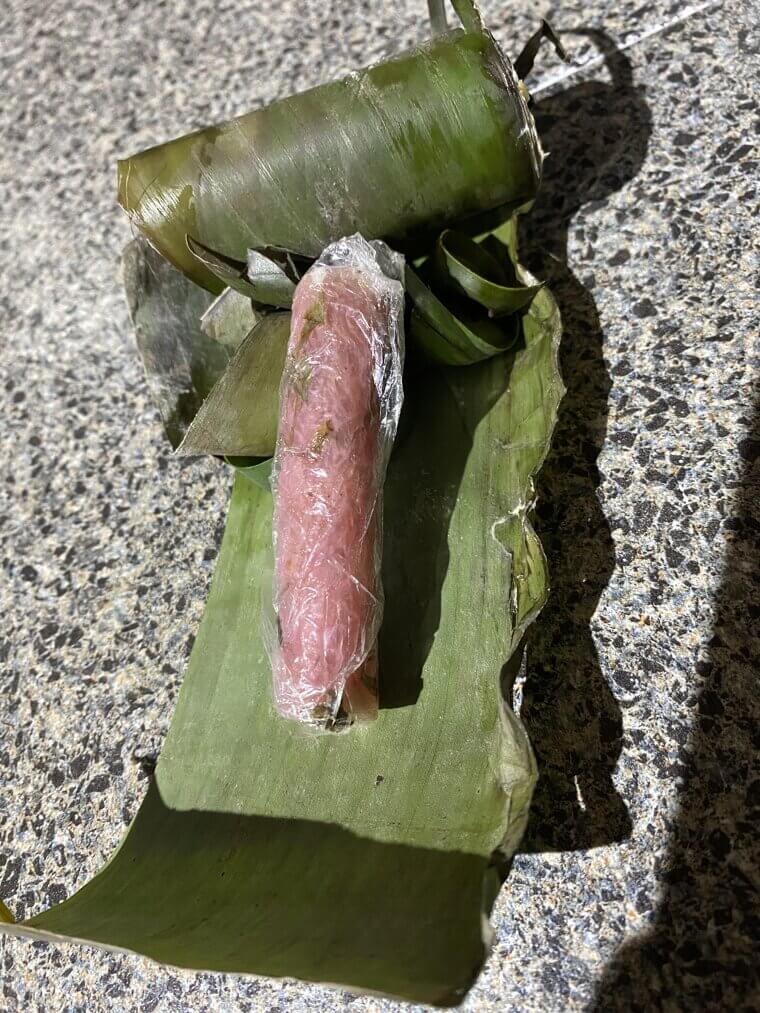
This practice highlights a deep connection to the land and an intuitive understanding of how to use every resource available to nourish a growing family.
Whipping Cream with a Chilled Metal Bowl
Grandmothers knew that the secret to stiff, pillowy peaks of whipped cream wasn't just in the whisking—it was in the temperature of the equipment. They would place their heavy metal mixing bowls and beaters in the icebox or the freezer for thirty minutes before starting. A cold bowl keeps the fat in the cream from softening, allowing it to trap air bubbles more effectively and hold its shape for much longer.
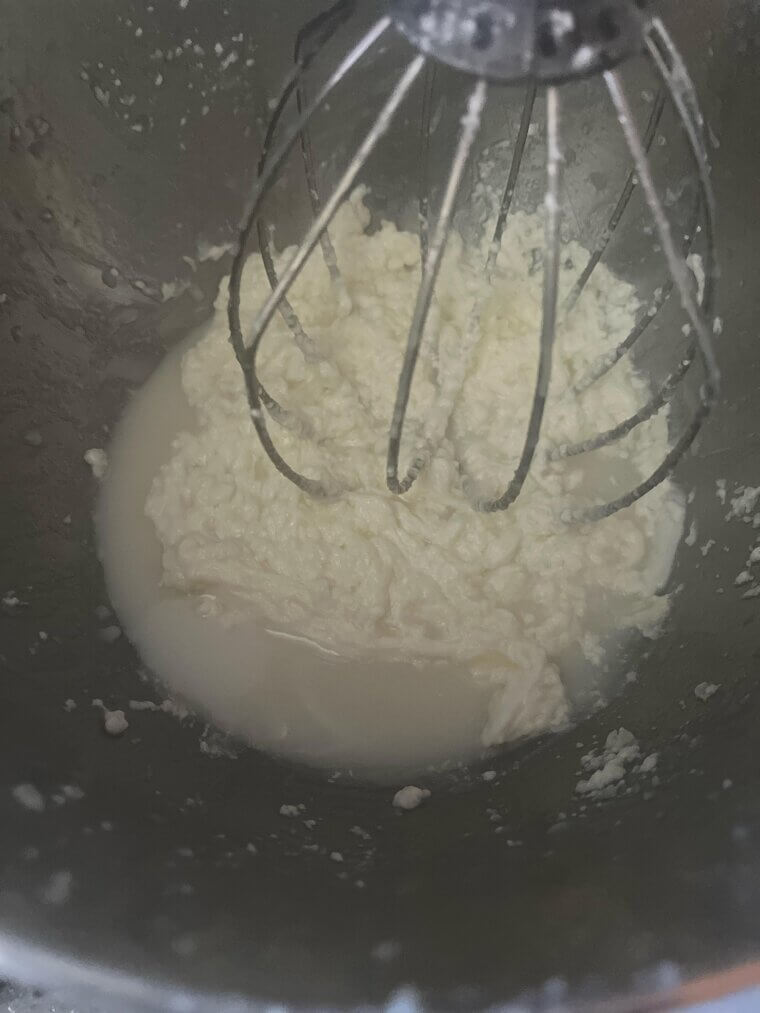
This was essential for topping pies or making icebox cakes that needed to stand up in the summer heat. It’s a simple step that guarantees professional results with very little extra effort.
Using Potato Water as a Base for Bread
Whenever potatoes were boiled for dinner, the starchy water was never poured down the drain; it was saved for the next day's baking. Grandmothers used this potato water as the liquid base for their bread dough. The dissolved starches from the potatoes act as a natural dough conditioner, leading to a loftier rise and a much softer crumb. It also helps the bread stay fresh for several days longer than bread made with plain water.
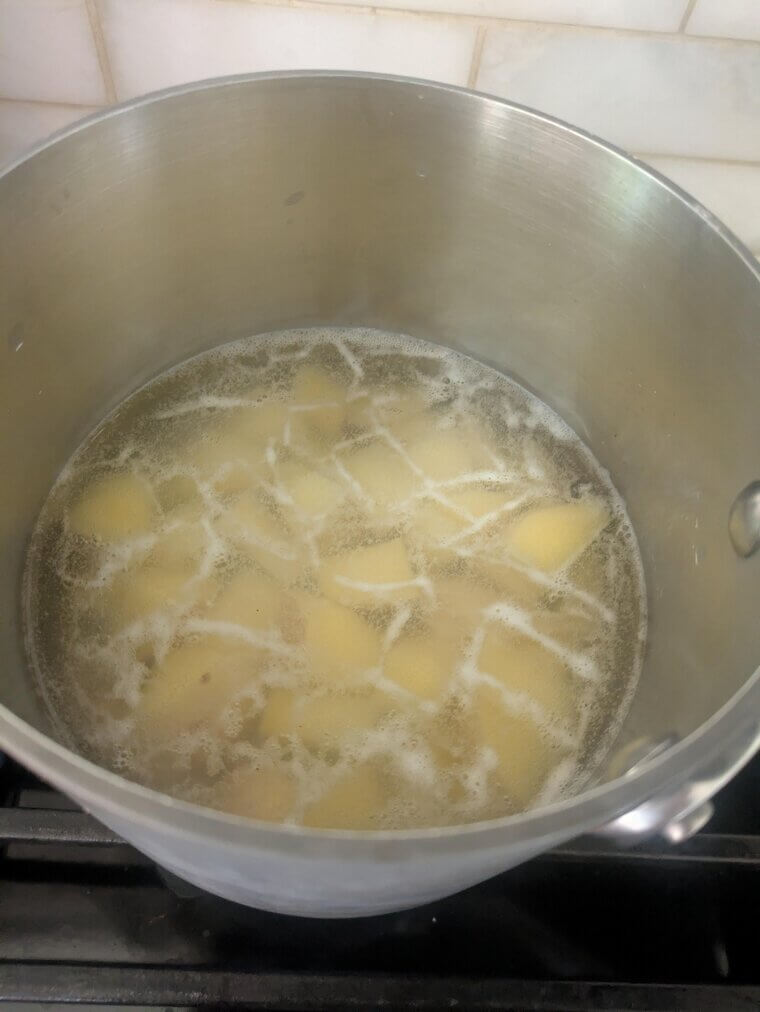
This practice was the epitome of waste not, want not, turning a byproduct of one meal into the secret ingredient for the next.
Cooling Cakes Upside Down on a Soda Bottle
For the delicate, ethereal Angel Food cake, grandmothers had a peculiar but effective cooling method: they would invert the pan over the neck of a glass soda bottle. Because Angel Food cake lacks a traditional crumb structure and relies on whipped egg whites, it can easily collapse under its own weight if cooled upright. By hanging it upside down, gravity helps the cake maintain its height and airy texture while it firms up.
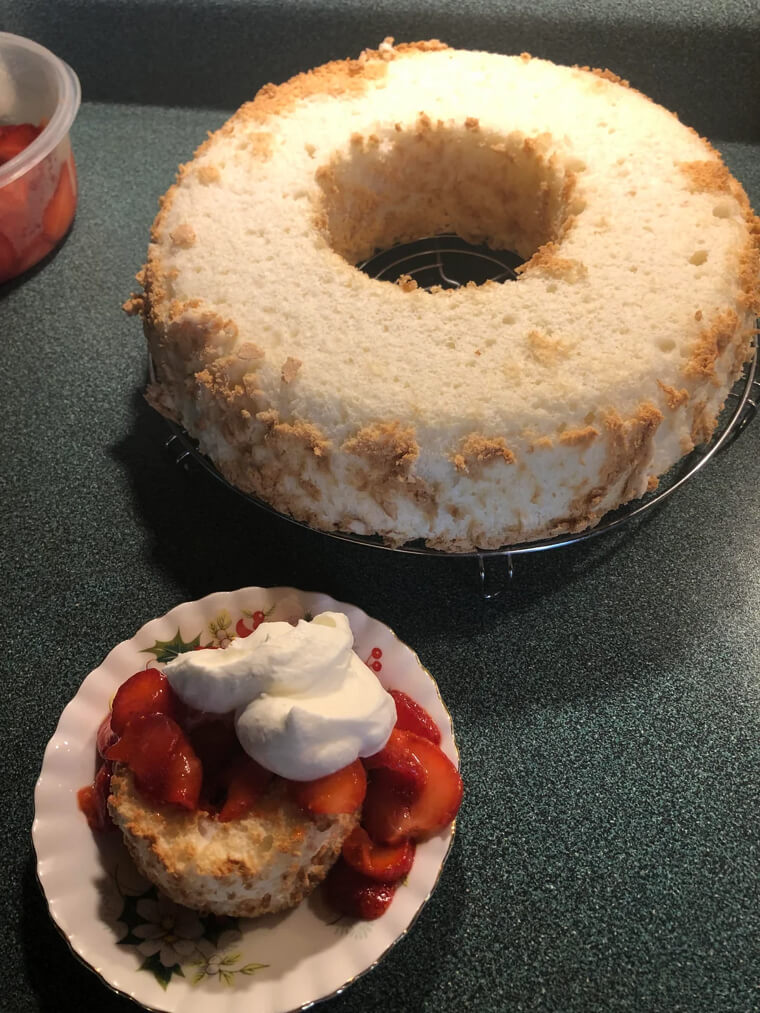
It was a common sight on kitchen counters—a gravity-defying cake balancing precariously, waiting to be iced for a special Sunday supper or a neighborhood gathering.
Folding Egg Whites with a Gentle Figure Eight
When recipes called for folding in egg whites, Grandma didn't just stir; she performed a rhythmic figure-eight motion with a flat spatula. This technique was vital for keeping the air bubbles intact, which provided the only lift for sponge cakes and soufflés. She knew that being too aggressive would deflate the mixture, resulting in a dense, heavy dessert. This gentle touch was a skill learned through years of practice, often taught to young children as their first important kitchen task.
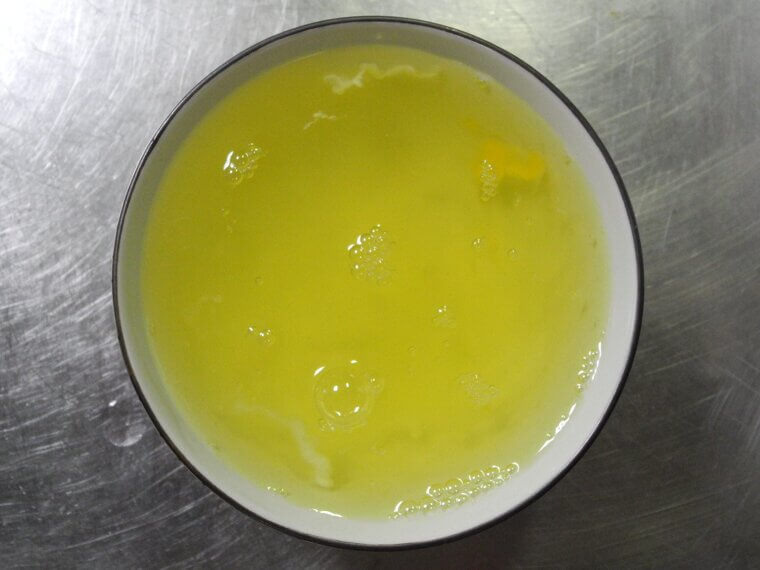
It represents a time when baking was a slow, meditative process that couldn't be rushed by modern machinery. This clever trick is still highly effective and truly practical today.
Clarifying Butter for High Heat Sautéing
Before ghee became a trendy health food, grandmothers were simply clarifying their butter to prevent it from burning. By melting the butter slowly and skimming off the milk solids, they were left with a pure gold fat that had a much higher smoke point. This allowed them to sauté delicate fish or brown meats at high temperatures without the bitter taste of scorched butter. It was a practical solution for flavor and performance, ensuring that the rich taste of butter was present in every dish without the risk of ruin.
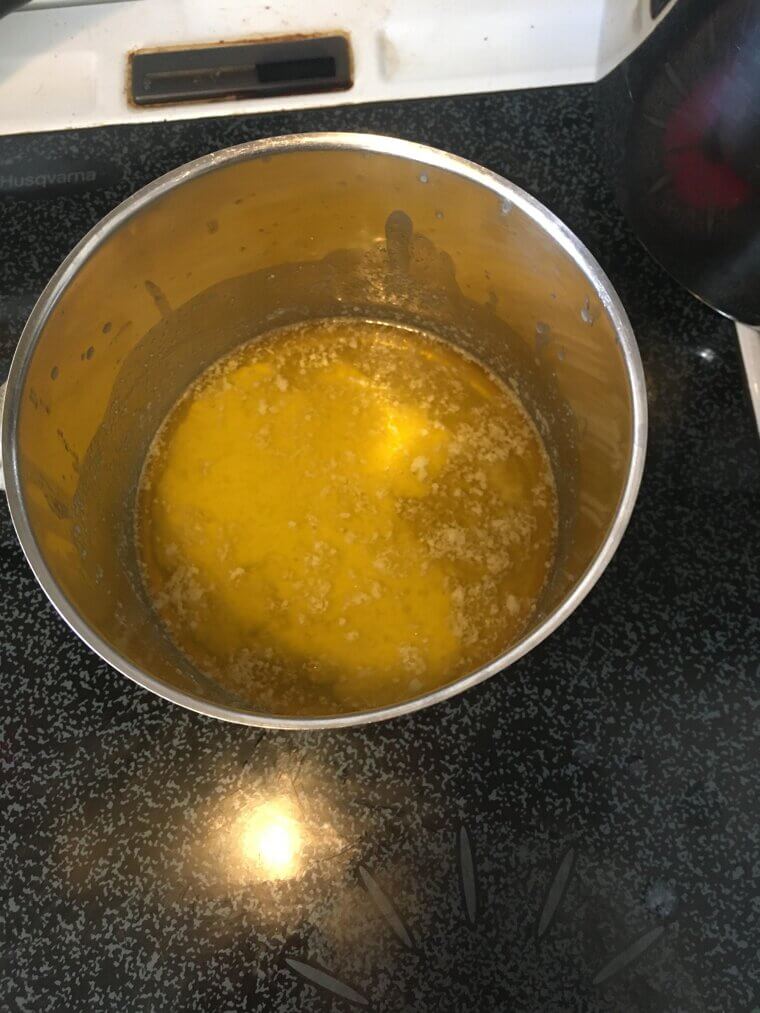
It showcased a sophisticated understanding of fat stability in the kitchen. This clever trick is still highly effective and truly practical today.
Grating Cold Butter into Biscuit Flour
For the perfect cathead biscuit, many grandmothers swore by grating a frozen stick of butter directly into the flour mixture. This ensured the fat remained in tiny, cold shards right up until the moment the biscuits hit the hot oven. As the butter melts rapidly in the heat, it releases steam that pushes the dough upward, creating those signature flaky layers. This method was much faster and more consistent than using a pastry cutter or fingertips, which could accidentally warm the fat.
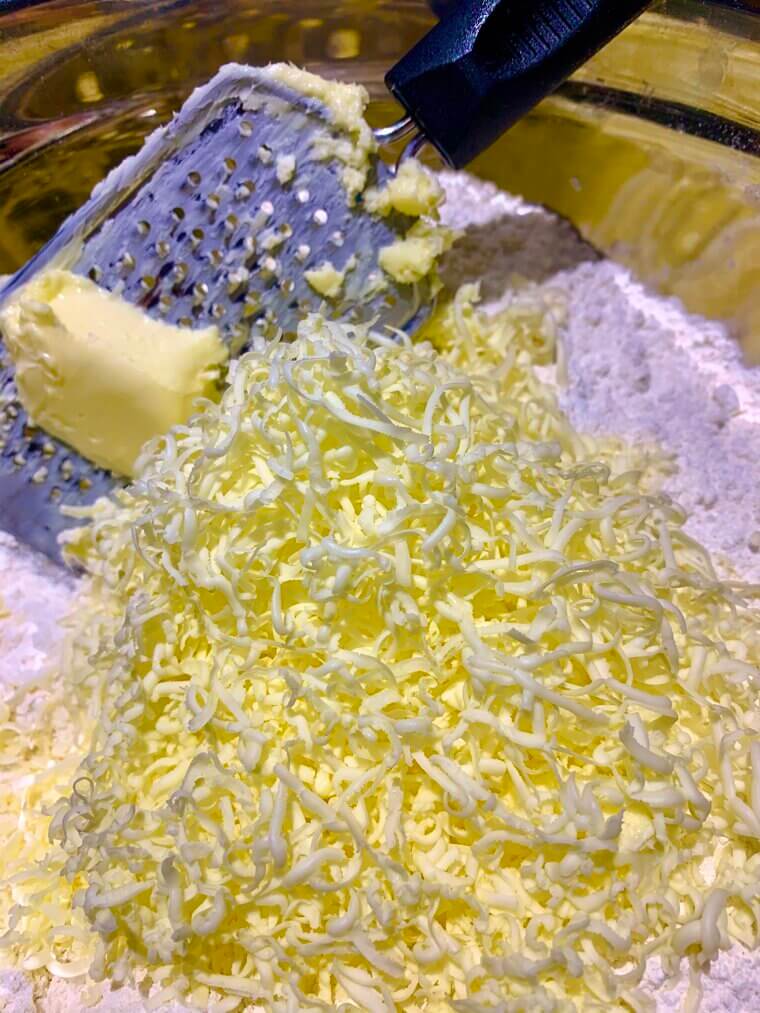
It’s a clever hack that guaranteed tall, fluffy biscuits every single morning for the family. This clever trick is still highly effective and truly practical today.
Soaking Onions in Ice Water to Mellow Flavor
Raw onions can often be overpowering in salads or sandwiches, but grandmothers had a fix for that: a twenty-minute soak in a bowl of ice water. This process leaches out the pungent sulfur compounds that cause that sharp bite and lingering aftertaste. After the soak, the onions emerge crisp, cold, and significantly milder, allowing their natural sweetness to shine through. This was a staple technique for making the perfect potato salad or cucumber and onion vinegar soak.
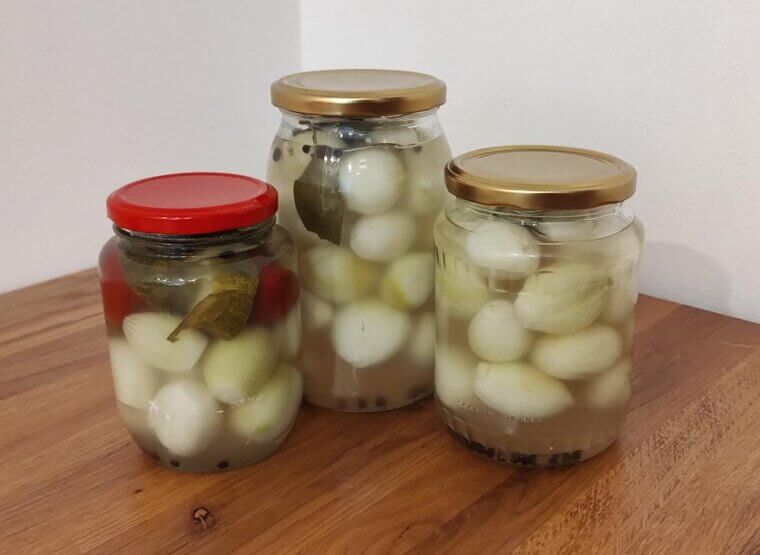
It showed a consideration for the palate and a desire to balance flavors so that no single ingredient overwhelmed the dish.
Testing Cake Doneness with a Clean Broom Straw
Before the advent of standardized metal cake testers, a clean straw from a new corn broom was the tool of choice. Grandmothers would snap off a piece, insert it into the center of the cake, and if it came out clean, the cake was done. The natural texture of the broom straw was actually better at catching tiny crumbs than a smooth metal needle, providing a more accurate reading.
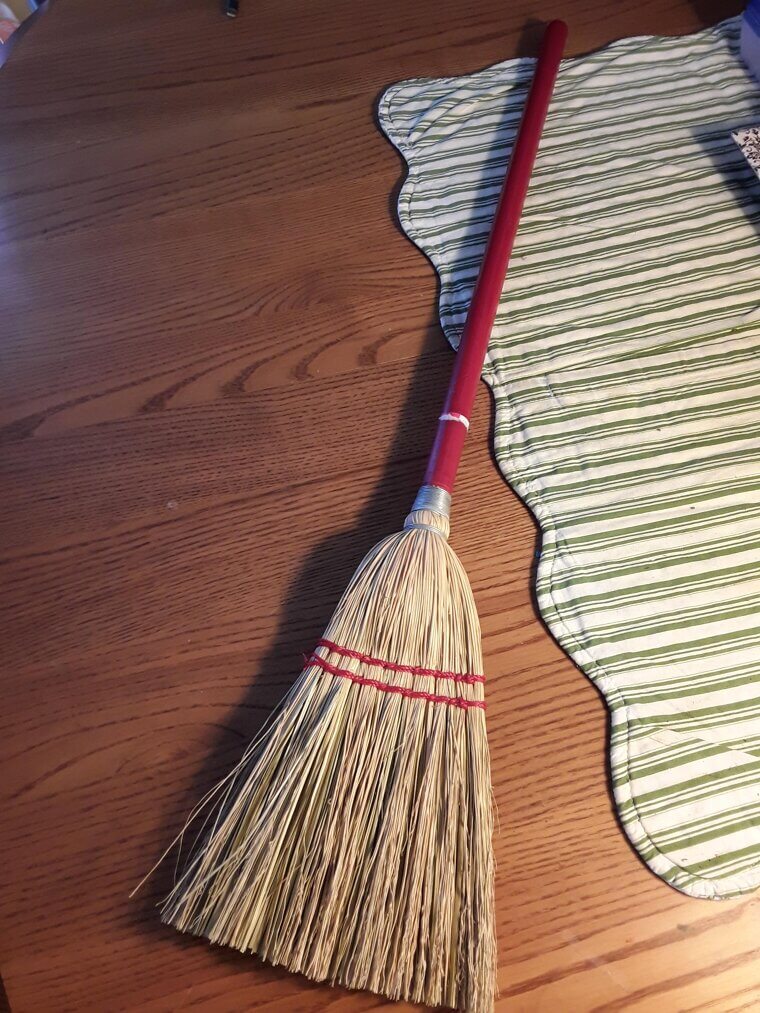
This tradition is a charming reminder of how everyday household items were repurposed for the kitchen. It speaks to a time when intuition and simple tools were the primary guides for a master baker.
Adding Sour Milk to Pancakes for Extra Tang
In the days before widespread refrigeration, milk would often turn or sour before it could be finished. Rather than throwing it away, grandmothers used it as a prized ingredient for pancakes and waffles. The acidity in the soured milk reacted beautifully with baking soda, creating a massive amount of carbon dioxide that led to the fluffiest pancakes imaginable. The slight tang also added a depth of flavor that fresh milk simply couldn't replicate.
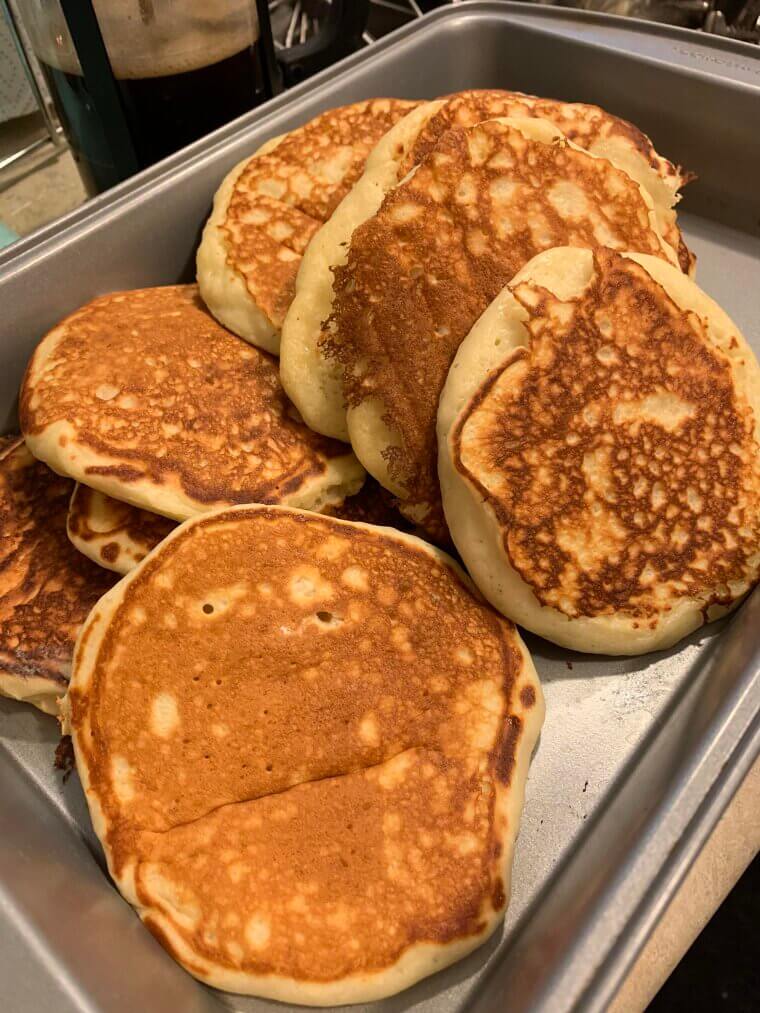
It was a resourceful way to handle food spoilage while simultaneously creating a breakfast that the entire family looked forward to on Saturday mornings.
Sifting Flour Three Times for Delicate Sponges
For cakes that needed to be as light as air, the rule was simple: sift the flour at least three times. Grandmothers knew that sifting not only removed lumps but also aerated the flour, making it much easier to incorporate into delicate batters without over-mixing. Over-mixing develops gluten, which makes cakes tough, so the pre-aerated flour was a safeguard for tenderness. It was a labor-intensive step, often involving a hand-cranked sifter, but the results were undeniable.
Those towering, cloud-like sponges were the pride of the church social, and the extra effort was considered a labor of love.
Rubbing Flour into Beef for a Richer Stew
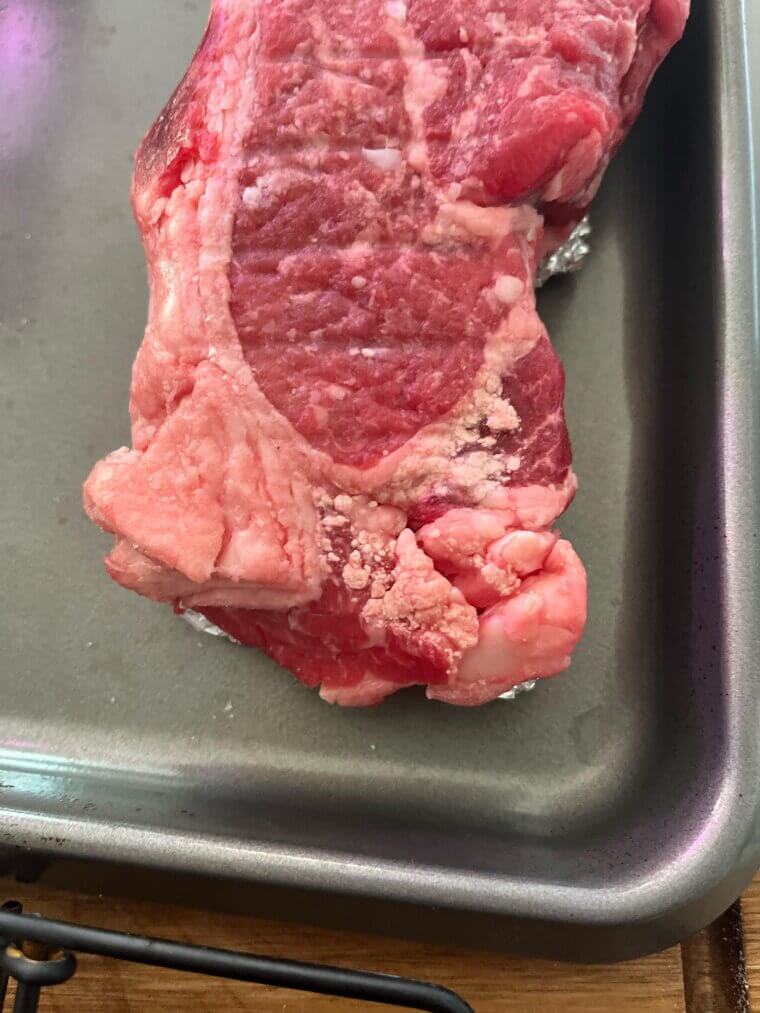
Instead of just tossing meat into a pot, grandmothers often took the time to dredge or rub flour and seasonings directly into the beef cubes before browning them. This created a flavorful crust on the meat, but more importantly, the residual flour acted as a built-in thickener for the stew. As the meat simmered for hours, the flour slowly released into the broth, creating a velvety, rich gravy without the need for a floury slurry at the end.
It resulted in a more cohesive flavor and a depth of color that modern quick-fix stews often lack. It was the secret to a stick-to-your-ribs meal.
Using a Damp Towel to Keep Pie Crusts Cool
In a hot kitchen, keeping pie dough from becoming greasy was a constant battle. Grandmothers would often lay a cold, damp tea towel over their rolling pin or even under the bowl while mixing. This helped regulate the temperature of the dough, ensuring the fat didn't melt prematurely. If the kitchen was particularly sweltering, they might even roll the dough out on a piece of marble or a cool cellar floor.
This dedication to temperature control was what separated a mediocre pie from a masterpiece. It showed a willingness to adapt to the environment to achieve the perfect culinary result.
Storing Bread with a Celery Stalk to Stay Fresh
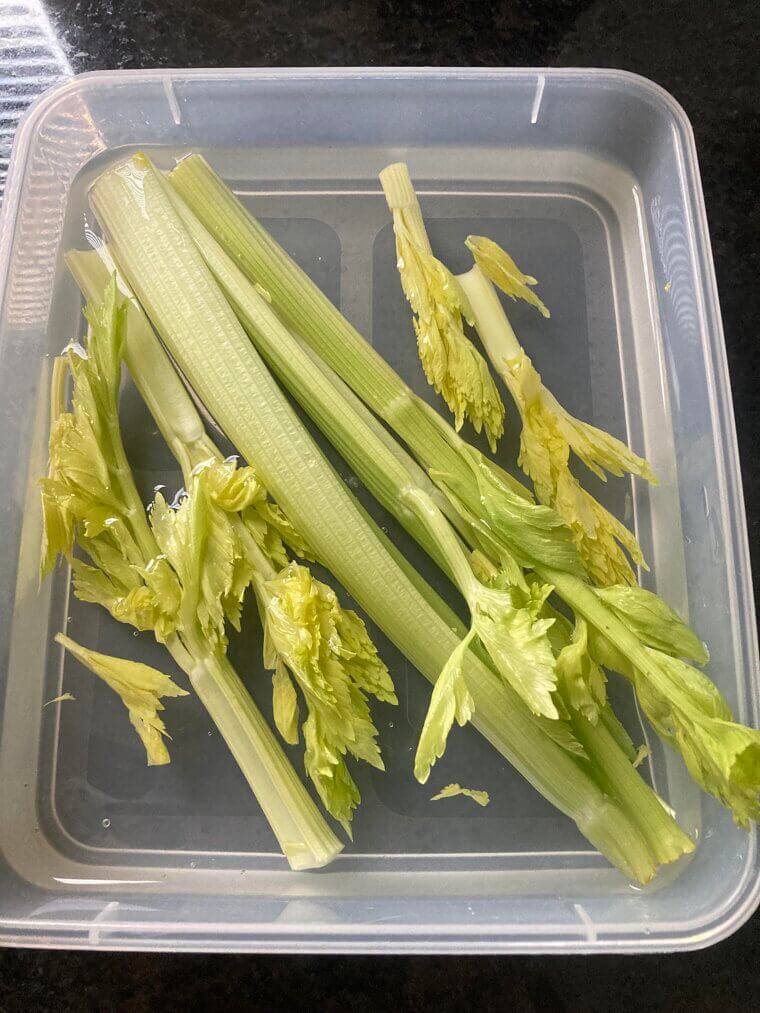
To keep a loaf of homemade bread from going stale too quickly, many grandmothers would tuck a single, clean stalk of celery into the bread box or bag. Curiously, the bread would absorb the moisture from the celery without taking on any of its flavor. This kept the loaf soft and pliable for days longer than usual. As the celery stalk dried out, you simply replaced it with a fresh one.
It was a low-cost, natural preservation method that avoided the need for chemical additives. This trick was a staple in households where bread was baked only once or twice a week.
Slow-Roasting Tomatoes for Intense Winter Flavor
When the summer tomato glut arrived, grandmothers would spend days slow-roasting the smaller fruits in a low oven until they were shriveled and concentrated. These sun-dried style tomatoes were then packed in jars with oil and herbs. This process intensified the sugars and umami flavors, creating a powerful ingredient that could brighten up bland winter stews or pastas. It was a way to bottle the sun, ensuring that the vibrant taste of August was available during the gray months of February.
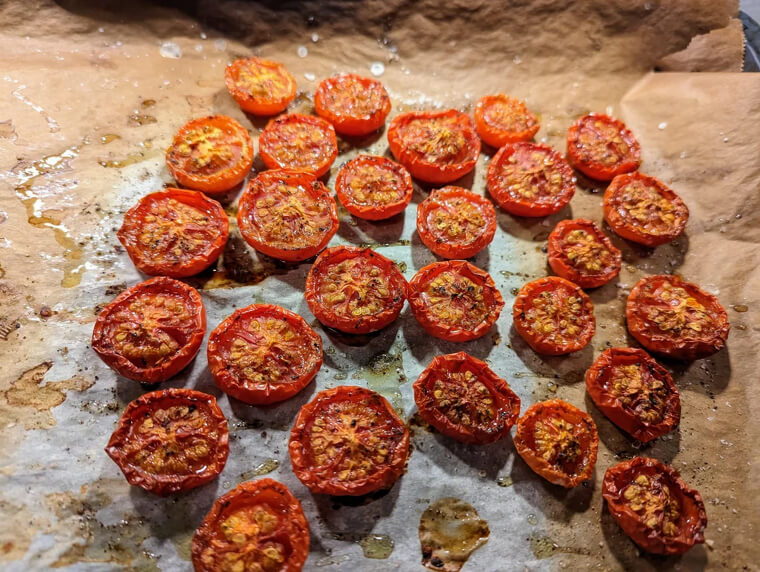
This method required patience and a watchful eye, but the flavor payoff was an essential part of the pantry. This clever trick is still highly effective and truly practical today.
The Must-Go Soup Made from Every Leftover
Grandma never let a scrap of food go to waste; instead, she had a Must-Go soup day (as in, everything must go). Any leftover vegetables, small amounts of meat, or even the last dregs of a gravy boat went into a large pot of simmering stock. Because these ingredients had already been cooked once, the flavors were deep and complex. She had an intuitive sense of how to balance the disparate ingredients with herbs and spices to create something entirely new and delicious.
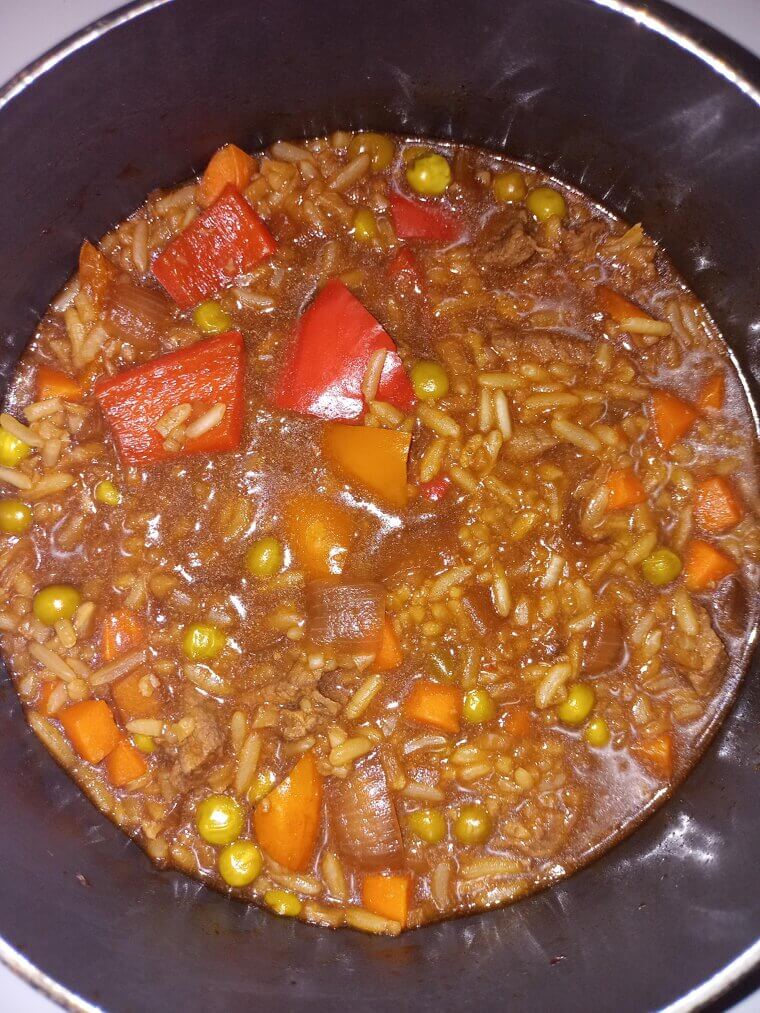
It was a weekly exercise in frugality and creativity that often produced the family's favorite meal of the week. This clever trick is still highly effective and truly practical today.
Scalding Milk Before Adding it to Yeast
Many old-fashioned bread recipes call for scalding the milk—heating it just until tiny bubbles form around the edge but not to a boil. Grandmothers did this because raw or even pasteurized milk contains certain proteins that can weaken gluten and prevent bread from rising properly. Scalding deactivates these proteins, leading to a much better rise and a finer texture in the finished loaf. After scalding, the milk had to be cooled back down to a lukewarm temperature so it wouldn't kill the yeast.
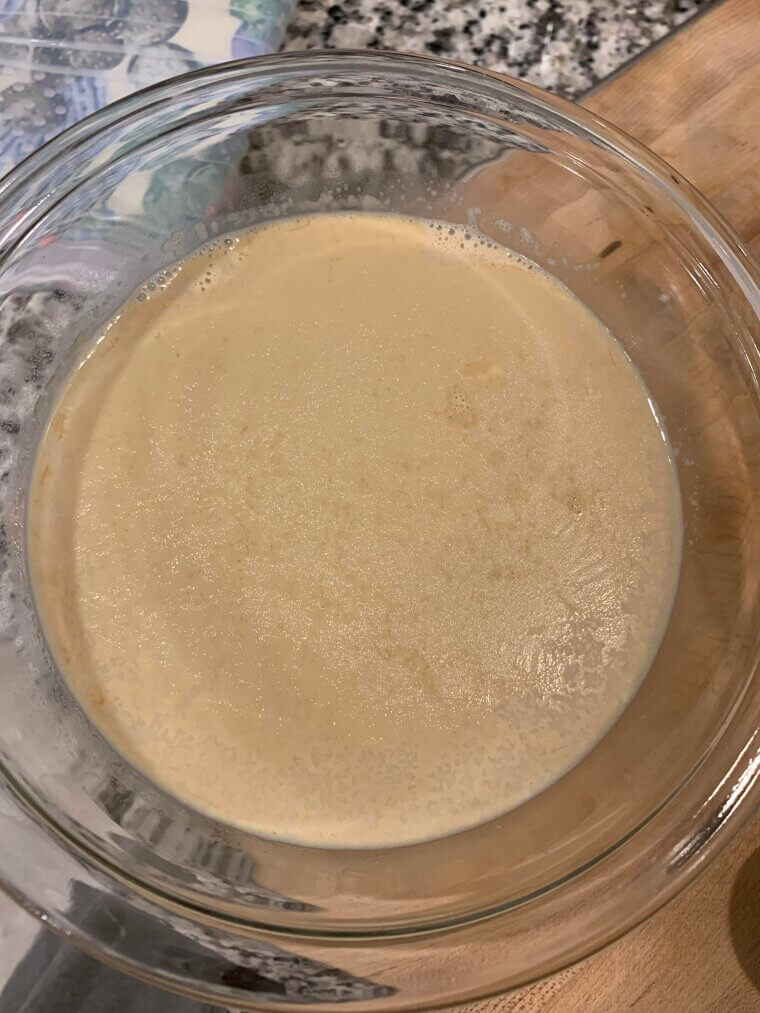
This precise temperature dance was a hallmark of an experienced baker who understood the science behind the art. This clever trick is still highly effective and truly practical today.
Marinating Chicken in Buttermilk for Tenderness
Long before it was a fast-food staple, buttermilk marinating was a grandmother's secret for the best fried chicken. The mild lactic acid in the buttermilk breaks down the proteins in the chicken, making it incredibly tender and juicy. It also helps the flour coating stick better, creating a thick, craggy crust that is the hallmark of great home-style cooking. The chicken would often sit in the icebox overnight, soaking up the moisture.
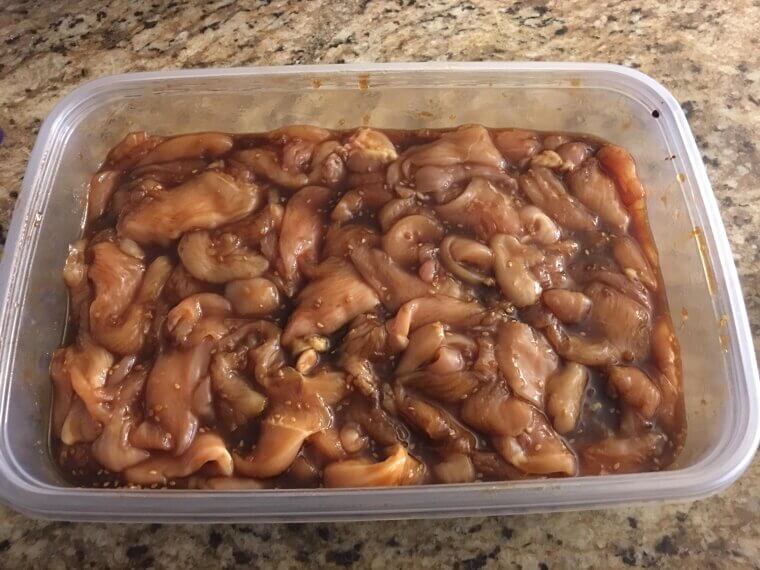
This technique transformed a simple bird into a celebratory meal, often reserved for Sunday afternoons when the whole family gathered around the large kitchen table.
Adding Coffee to Chocolate Cake for Depth
Grandmothers knew that chocolate cake didn't just need more cocoa to taste better; it needed a little bit of strong, hot coffee. Replacing some of the liquid in a chocolate cake recipe with coffee doesn't make the cake taste like a latte; instead, it amplifies the chocolate notes and makes them taste richer and darker. The heat from the coffee also helps to bloom the cocoa powder, releasing its full aromatic potential.
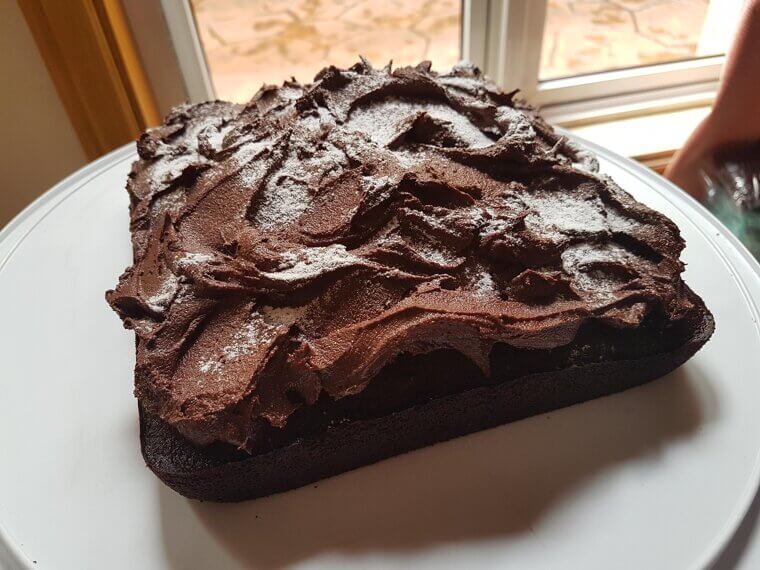
It was a subtle trick that made their cakes stand out at bake sales and family birthdays, leaving everyone wondering what that secret something in the recipe was.
Pricking Pie Crusts with a Fork to Prevent Bubbles
Known as docking, the simple act of pricking the bottom of a pie crust with a fork was a non-negotiable step for any blind-baked shell. Grandmothers knew that as the crust baked, steam would get trapped between the dough and the pan, causing the pastry to puff up and buckle. The tiny holes allowed the steam to escape, ensuring the crust stayed flat and crisp. This was especially important for cream pies or custard tarts where a level base was required.
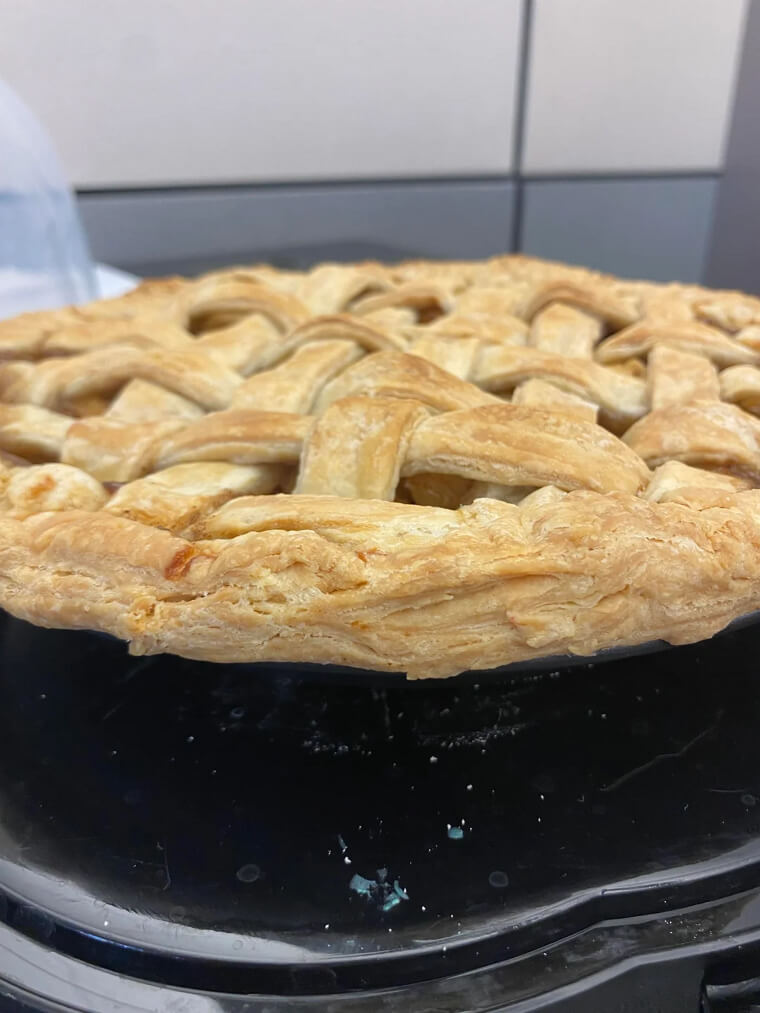
It’s a tiny detail that demonstrates how a small, quick action can prevent a major culinary disaster in the oven.
Smothering Pork Chops to Keep Them Juicy
Because pork was often leaner and tougher in the past, grandmothers perfected the art of smothering. This involved browning the chops and then simmering them in a thick gravy of onions and chicken stock until they were fork-tender. The slow braise ensured that the meat stayed moist and absorbed all the savory flavors of the sauce. This was a quintessential comfort food, usually served over a mountain of mashed potatoes.
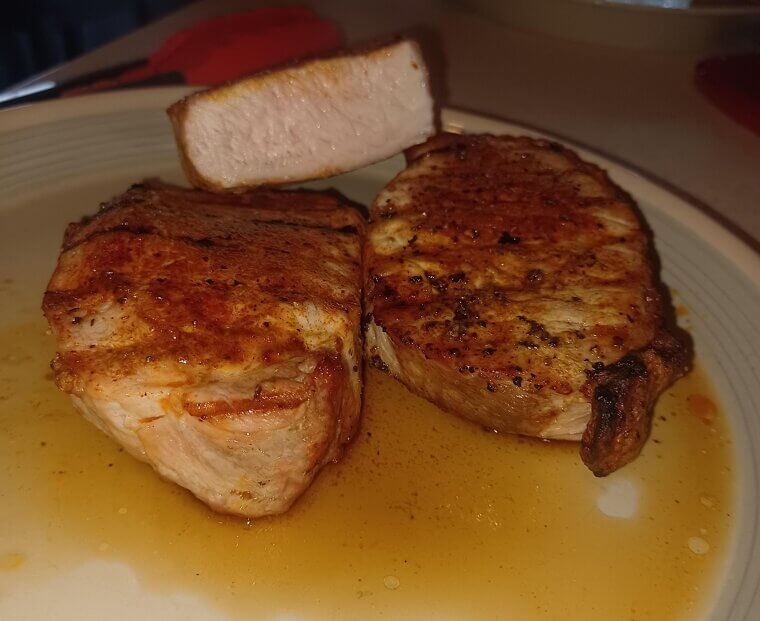
It turned a potentially dry piece of meat into a succulent, rich dish that defined the cozy atmosphere of a grandmother’s kitchen on a rainy Tuesday evening.
Using a Cast Iron Lid for Stove-Top Baking
In the heat of the summer, grandmothers often avoided turning on the big oven by using their heavy cast iron Dutch ovens with tight-fitting lids. By placing the pot on the stove and piling some coals on top (in older days) or simply using the heavy lid to trap heat, they could bake biscuits or small cakes right on the burner. The thick iron distributed the heat evenly, mimicking the environment of a traditional oven.
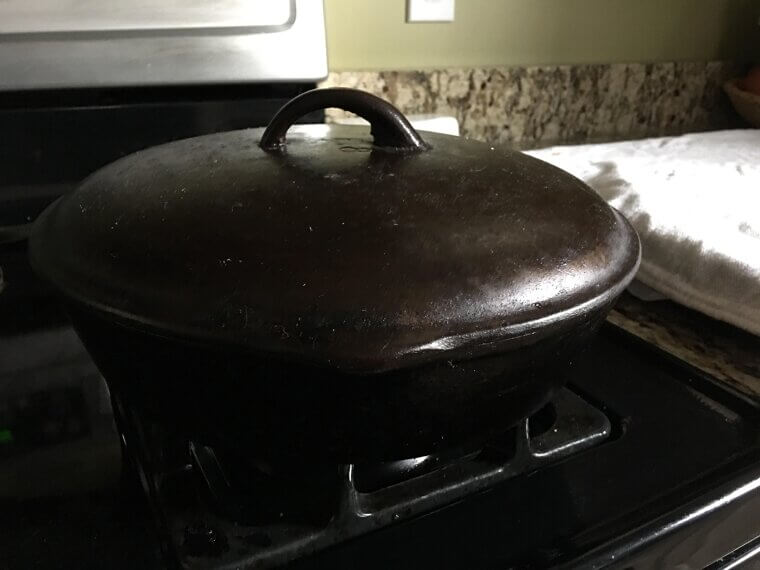
This ingenuity allowed them to keep the house cool while still providing fresh bread for the family, showing a deep practical knowledge of their kitchen tools.
Steeping Fresh Herbs in Warm Cream for Sauces
Instead of just tossing chopped herbs into a pan at the end, grandmothers would often steep whole sprigs of rosemary, thyme, or sage in warm cream for twenty minutes. This infused the cream with a delicate, well-rounded herbal flavor that was much more sophisticated than the sharp hit of raw herbs. Once the flavor was extracted, the sprigs were removed, leaving a smooth, aromatic liquid perfect for finishing a soup or a vegetable gratin.
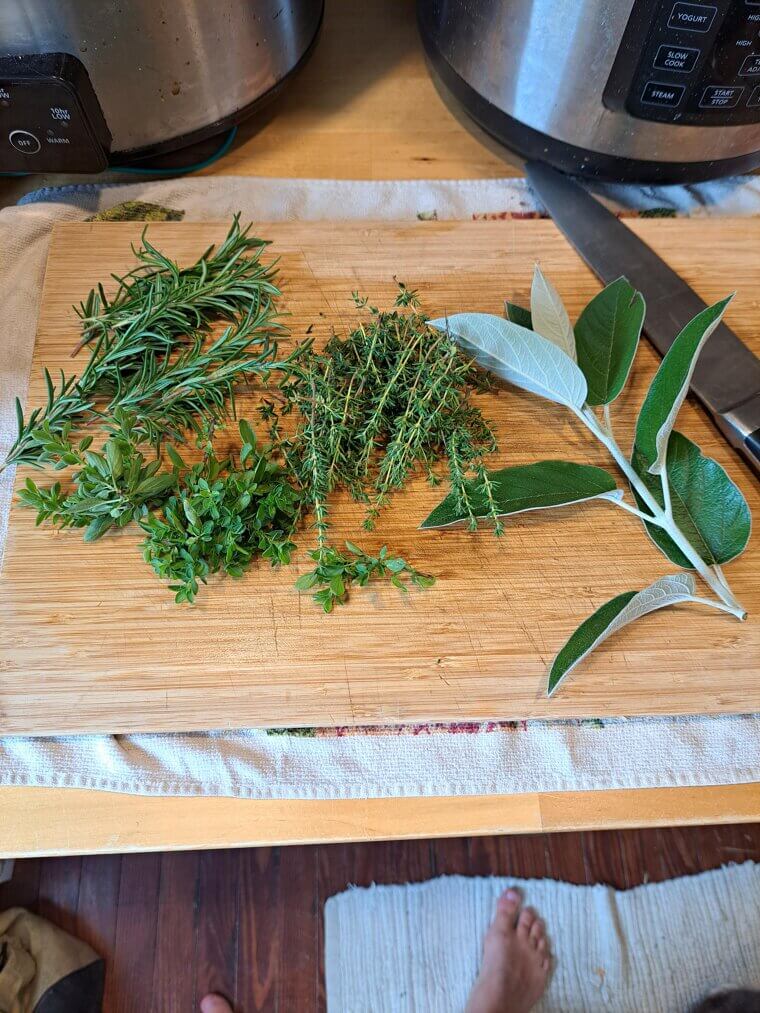
This technique shows a refined approach to flavor layering, ensuring that the essence of the garden was present in every silky bite of the meal.
Using Canned Soup as a Magic Casserole Base
While we now value cooking from scratch, grandmothers in the mid-century era saw canned cream of mushroom or chicken soup as a culinary revolution. They swore by it as a magic base that provided instant flavor, thickening power, and creaminess to casseroles. It allowed them to whip up a hot, nourishing meal for a large family in half the time. This trusted method was a hallmark of their remarkable kitchen ingenuity, passed down with love.
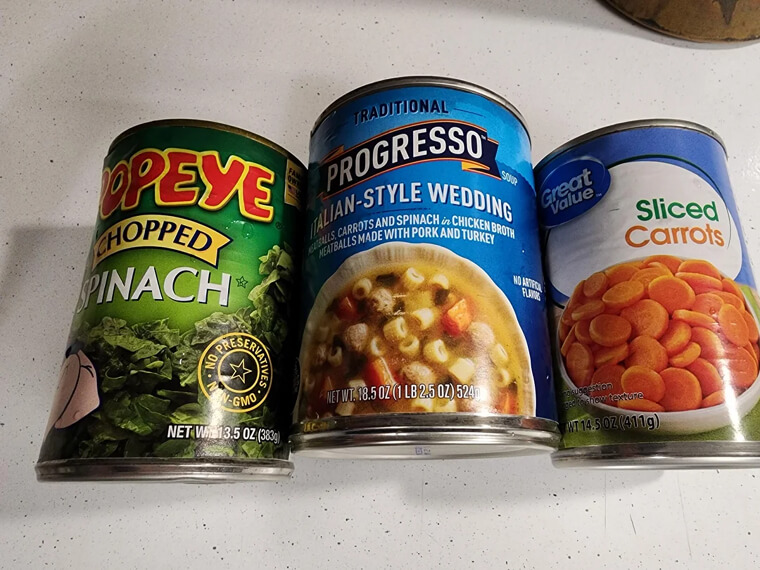
These dump-and-bake meals became the backbone of busy households, proving that even modern shortcuts could be used with love and skill to keep a family well-fed and happy during a hectic work week.
Saving Bacon Grease in a Grease Jar
Near every grandmother's stove sat a tin or glass jar used specifically for collecting liquid gold: bacon grease. This wasn't just about saving money; it was about flavor. That smoky, salty fat was used to sauté green beans, fry eggs, or grease a corn-bread skillet. It added a depth of flavor that plain butter or oil simply couldn't touch. They would carefully strain the warm fat through cheesecloth to keep it pure.
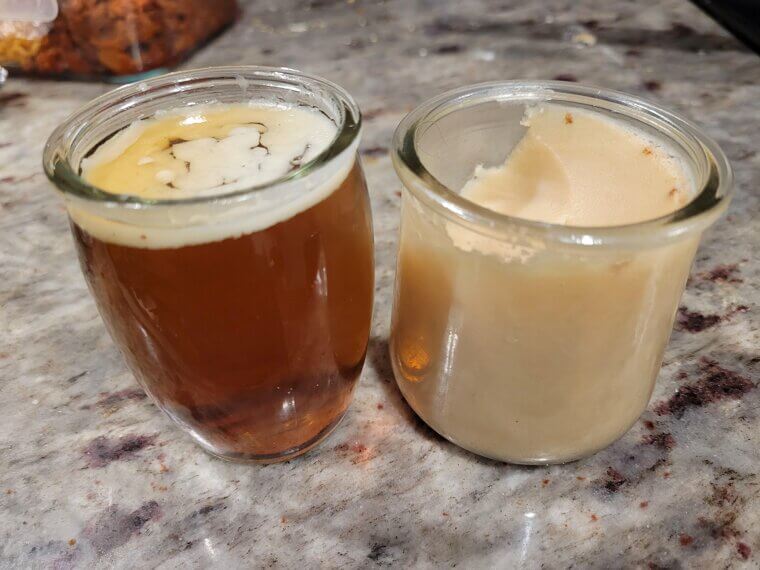
This practice represents a time when every ingredient was respected and repurposed, ensuring that nothing with flavor potential ever found its way into the trash bin.
Letting Dough Rise in the Sunniest Window
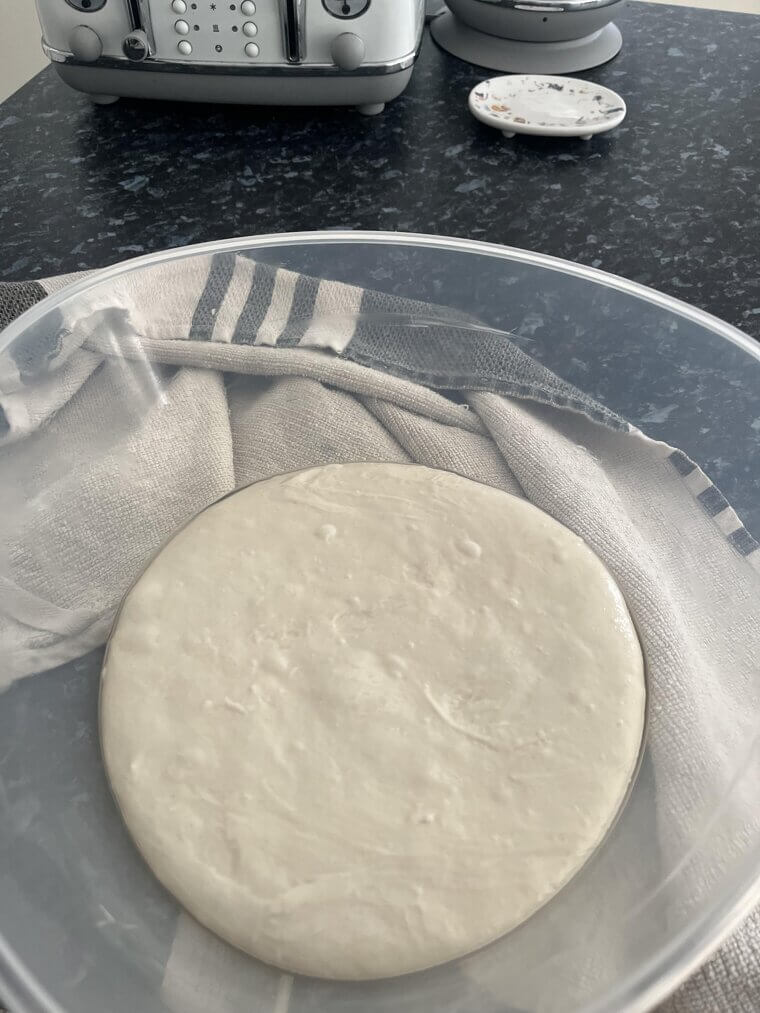
Yeast is a living thing, and grandmothers treated it with the respect it deserved. They knew that a consistent, warm environment was key to a good rise, so they would often move their dough bowls around the house to follow the sun. Covering the bowl with a clean, damp cloth and placing it in a sun-drenched window provided just enough gentle heat to activate the yeast without cooking it.
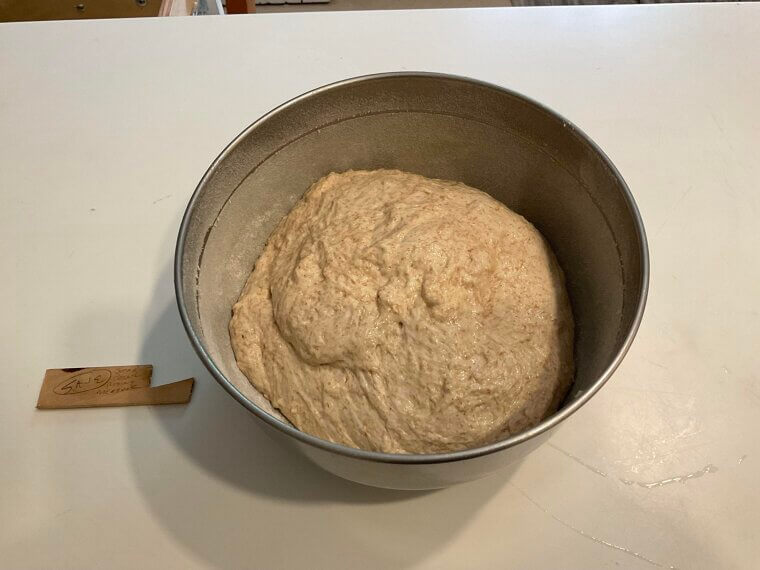
This patient observation of the house’s micro-climates was a natural part of the baking process, turning the movement of the sun into a partner in the kitchen’s daily rhythm.
Hand-Kneading Dough Until It Feels Like an Earlobe
Before stand mixers were common, kneading was a tactile, sensory experience. Grandmothers taught their daughters that dough was ready when it felt as soft as a baby’s earlobe. This wasn't a scientific measurement, but it was an incredibly accurate way to gauge gluten development. They could tell by the resistance and the spring-back of the dough exactly when to stop. This trusted method was a hallmark of their remarkable kitchen ingenuity, passed down with love.
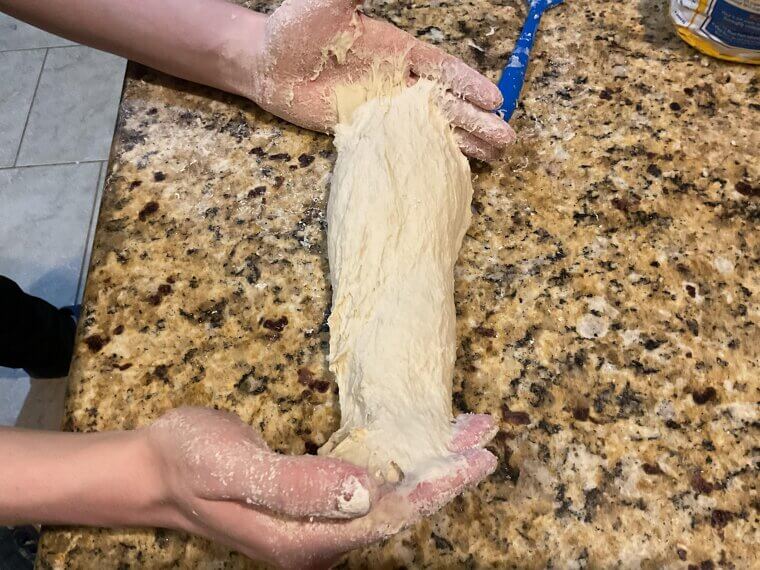
This hands-on approach created a physical connection to the food, making the process of bread-making a rhythmic, almost meditative labor that resulted in a loaf with a perfectly balanced, chewy yet soft texture.
The Cold Water Test for Homemade Candy
Without digital thermometers, grandmothers relied on the cold water test to tell if their sugar syrup was ready for fudge, taffy, or caramel. They would drop a small amount of hot syrup into a bowl of ice-cold water and feel the resulting shape with their fingers. Whether it formed a soft ball, hard ball, or hard crack told them everything they needed to know about the sugar's temperature.
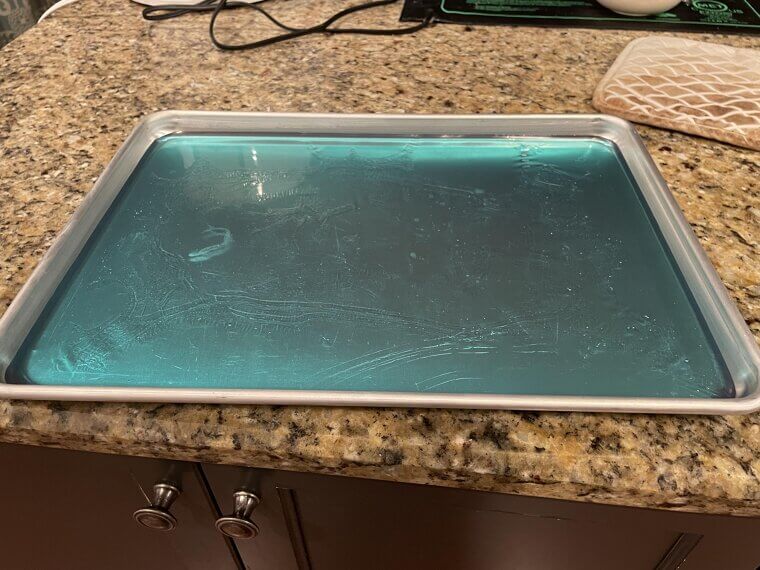
It was a high-stakes skill that required experience and a delicate touch, as a few seconds too long could turn a soft caramel into a tooth-cracking hard candy.
Resting Meat Before Carving to Keep Juices In
Grandmothers were adamant about letting a roast or a chicken rest on the counter for at least twenty minutes before anyone was allowed to touch it with a knife. They knew that the heat of the oven pulls the juices to the center of the meat, and if you cut it too soon, those juices would spill out onto the board, leaving the meat dry.
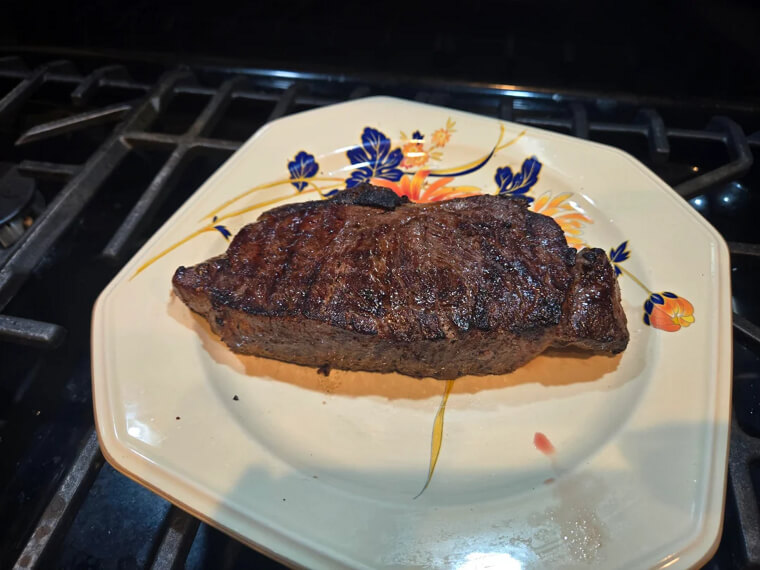
By waiting, the fibers have time to relax and re-absorb the moisture, ensuring every slice is succulent. This final exercise in patience was the crowning touch on a meal that often took hours to prepare.