
Pyrex "Primary Colors" Mixing Bowls: From $4 Kitchen Staple to $600 Full Set
These iconic nesting bowls were found in almost every American kitchen starting in the mid-1940s. While you might remember your grandmother mashing potatoes in the yellow one or mixing cake batter in the red, they have transitioned from utilitarian tools to high-end collectibles. Complete sets in the original "Primary" palette—yellow, green, red, and blue—are increasingly rare in "mint" condition without "dishwasher haze" or scratches.
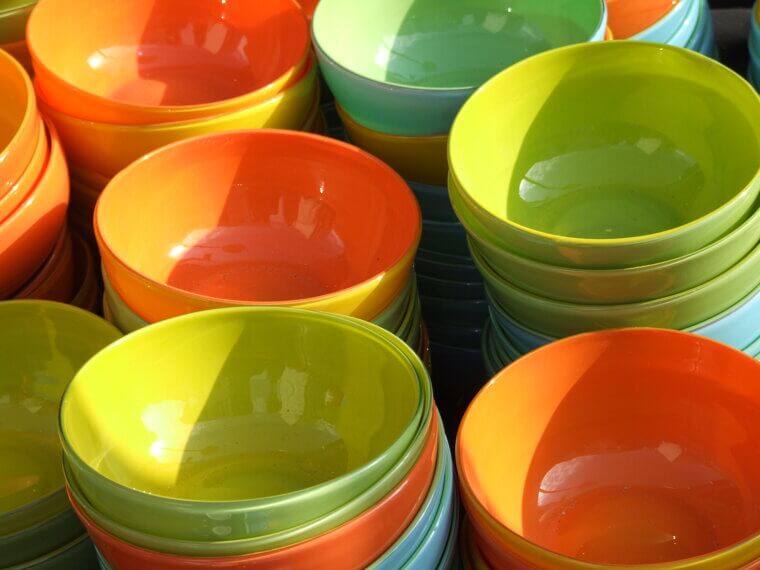
If yours still have a glossy, vibrant sheen, you might be sitting on a kitchen goldmine. Collectors specifically hunt for sets where the bottoms are unmarked or have the early backstamps.
Original Cabbage Patch Kids: The $5,000 "Adoption" Fee
Before they became mass-produced plastic dolls in the mid-80s, Xavier Roberts hand-stitched these "Little People" in Georgia. If you have a soft-sculpted version with a fabric head and a signed backside, you are looking at a serious payday. Even the later mass-market dolls by Coleco can fetch hundreds if they are "New in Box" with their original adoption papers and birth certificates. Collectors look for specific names and outfits that were produced in limited runs.
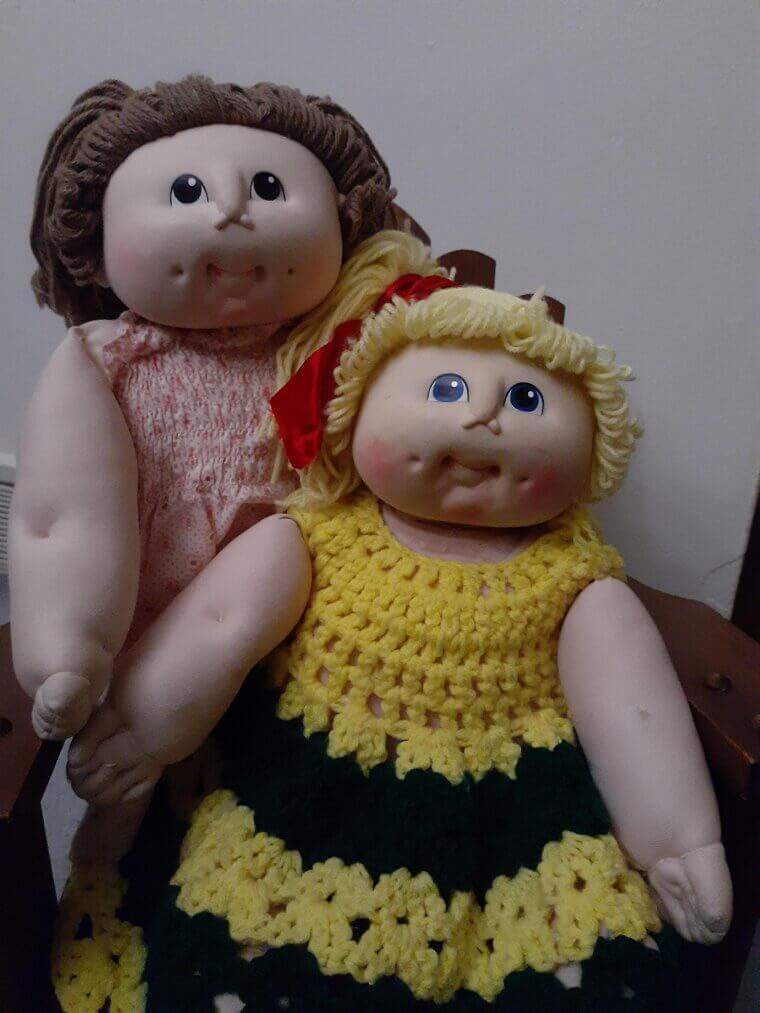
Check your attic for that dimpled face; it might be the most valuable resident in your storage unit today.
Miriam Haskell Costume Jewelry: The $2,000 "Fake" Diamonds
Miriam Haskell redefined costume jewelry, proving that pieces don't need real gemstones to be incredibly valuable. Her intricate, hand-wired designs often featured faux pearls, Russian gold plating, and vibrant Swarovski crystals. Because these pieces were so high-quality and favored by Hollywood starlets, they have aged gracefully. Many women tucked these away in velvet-lined jewelry boxes, forgetting they were there. A signed Haskell necklace or a pair of elaborate clip-on earrings can sell for more than actual, quality jewelry.
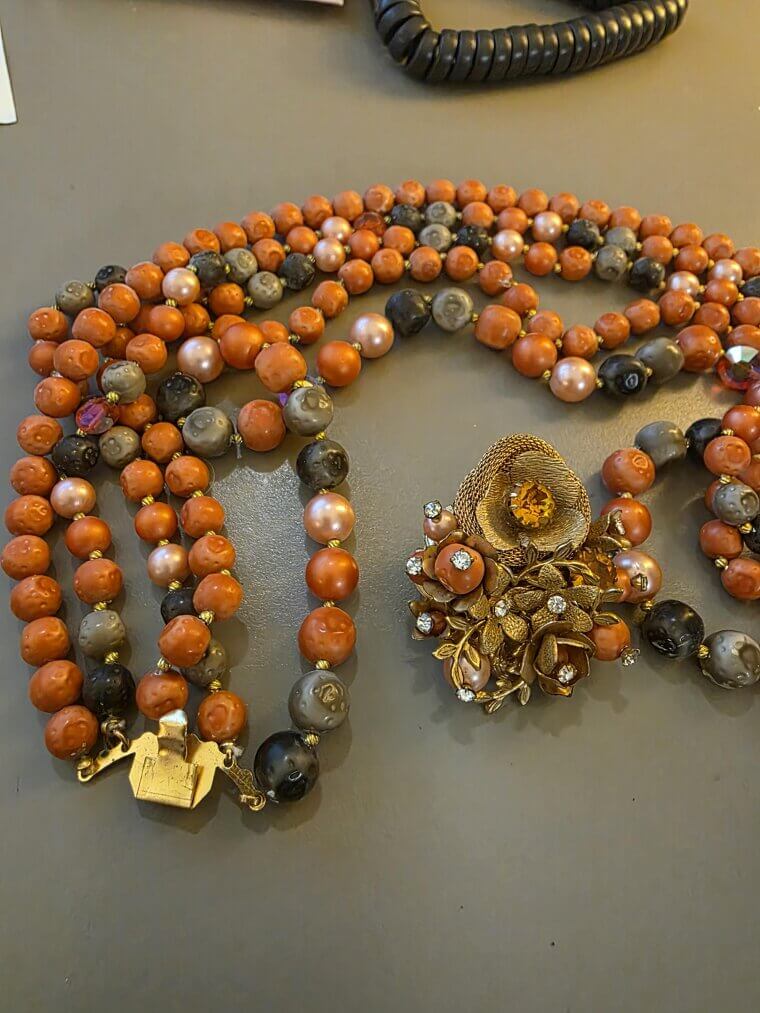
An original often sells for more than a modern 14k gold chain. Look for the signature "Miriam Haskell" oval stamp on the clasp.
First-Edition "Joy of Cooking" (1931): The $4,000 Recipe for Success
Most of us have a battered, flour-dusted copy of this cookbook, but if you happen to own the self-published 1931 first edition, you have a literary treasure. Irma Rombauer originally printed only about 3,000 copies, and very few survived the rigors of the kitchen. Even the 1936 Bobbs-Merrill editions are highly sought after by culinary historians and bibliophiles alike. Check your bookshelf for a version that looks significantly older.
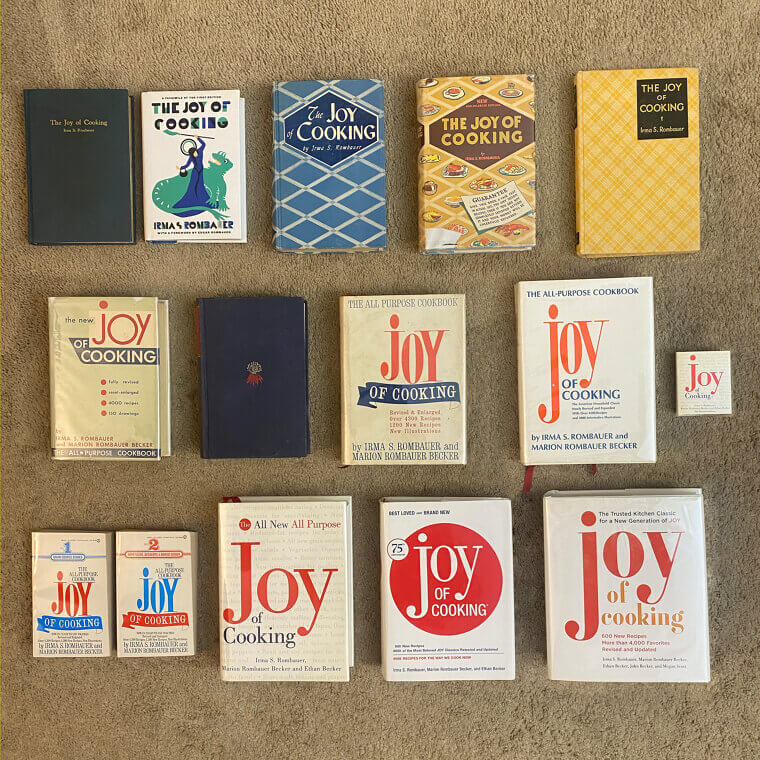
It should also appear more modest than the thick yellow volumes we use today. A clean copy without grease stains or handwritten notes is a rare and lucrative find.
Uranium "Vaseline" Glassware: Glowing From $15 to $500
Commonly referred to as "Vaseline Glass" due to its yellow-green oily tint, this Depression-era glassware contains small amounts of uranium. While it sounds intense, it was a common coloring agent. The true test of value is holding it under a UV blacklight; if it glows a bright, neon green, you likely have a winner. Intricate patterns like "Princess" or "Royal Lace" are especially coveted. Collectors are currently paying top dollar for pitchers, butter dishes, and full dinner sets.
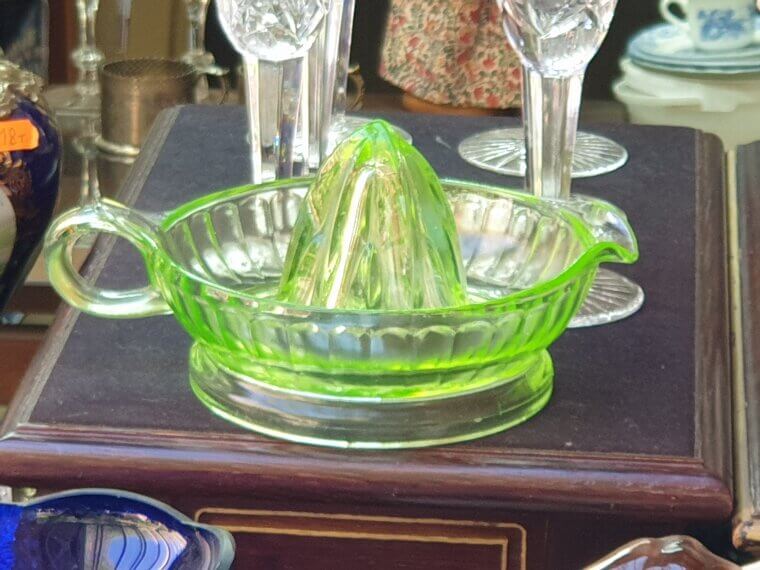
What looked like cheap, tinted glass in your hutch could actually be a high-demand centerpiece for a collector.
Fisher-Price "Family Play Tape Recorder": The $300 Childhood Soundtrack
In the late 1970s and early 80s, this sturdy brown and tan machine was a nursery staple. While it was built to withstand the rough handling of a toddler, working units have become surprisingly scarce. Nostalgic Gen Xers and Millennials are now scouring the market to buy back their childhood memories. If yours still has the original microphone attached and the play/record buttons don't stick, you could find yourself with several hundred dollars.
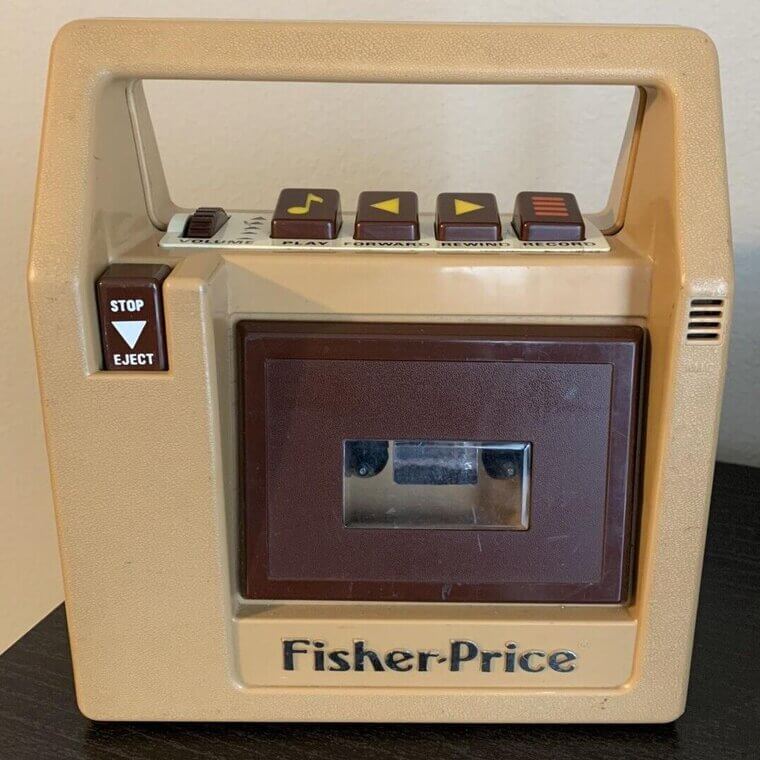
That's right - quite the inflation since you first bought it. It’s a classic example of how "toy box junk" can turn into a substantial payout for the patient seller.
Vintage "Pink" Featherweight Singer Sewing Machines: The $2,000 Stitch
The Singer Featherweight 221 is a marvel of engineering, known for being lightweight yet incredibly durable. While the standard black models are worth a respectable $400, the rare "Pale Turquoise" or "Tan" versions—and especially the limited-run "White" (which looks mint green)—are the "Holy Grail" for quilters. These machines are prized not just for their aesthetics but for their perfect straight stitch. If you have an old sewing machine case gathering dust in a guest room, you might get lucky.
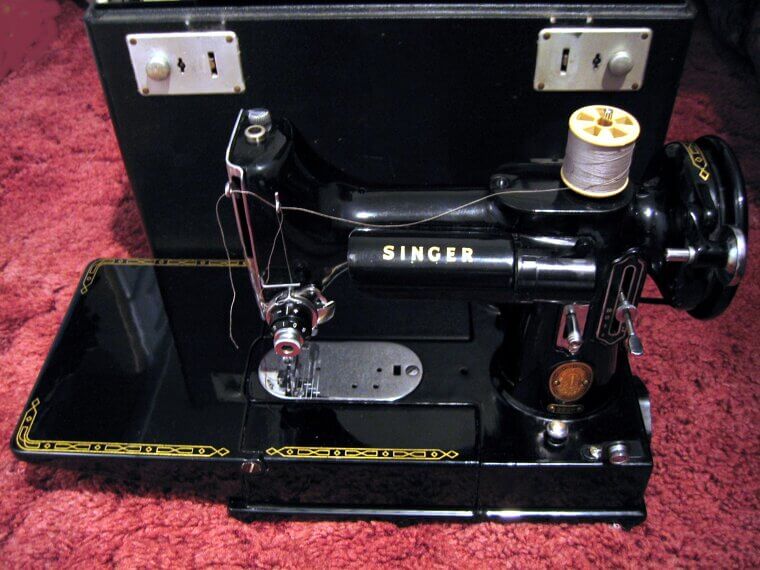
Pop it open to find out. That little colorful machine inside is a workhorse that commands a premium at auctions.
Tupperware "Wonderlier" Bowls in Pastel: The $100 Plastic Wonder
We often think of old plastic as disposable, but vintage Tupperware from the 1950s and 60s has a massive cult following. The "Wonderlier" line, known for its nested sizes and those iconic airtight "burping" seals, is particularly popular in pastel shades like pink, mint, and baby blue. If the plastic is still supple and hasn't become sticky or brittle, you could be looking at a triple-digit return for a set.
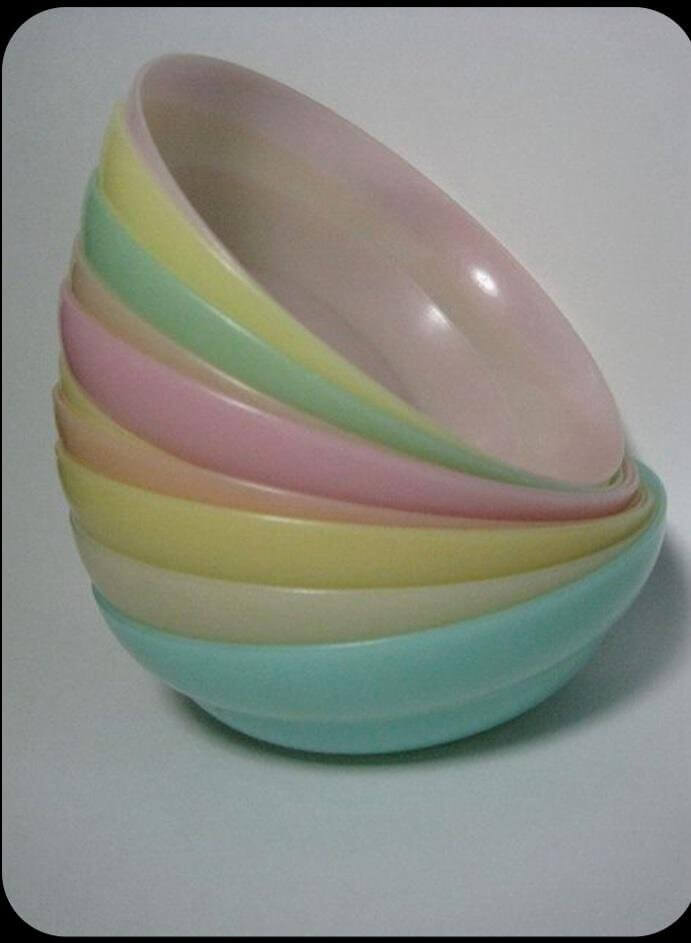
Collectors appreciate the mid-century modern aesthetic and the durability of these pieces, which often outlast their modern, BPA-free counterparts found in stores today.
Vintage Christmas "Shiny Brite" Ornaments: $500 for a Box of Holiday Cheer
During World War II, Max Eckardt produced these glass ornaments in New Jersey because European imports were cut off. The early ones are distinct because they lack the silver nitrate lining (due to metal shortages), making them look transparent or "clear." A full, original box of striped or stenciled Shiny Brites in good condition is a dream for vintage holiday enthusiasts. If you have the original cardboard box with the "Uncle Sam" logo, the value skyrockets.
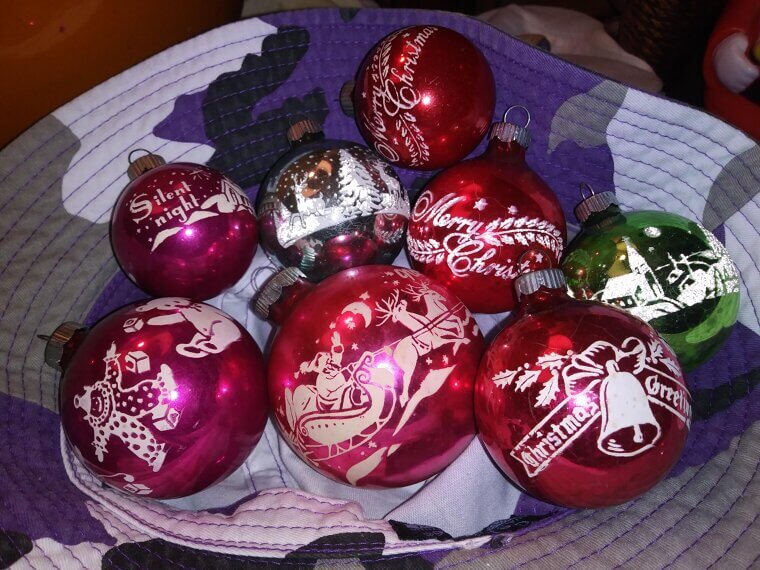
Your attic's holiday bin might contain a shimmering fortune that is much more than mere decoration - it is cash in the bank.
Le Creuset "Flame" Dutch Ovens: $400 for a Heavy Pot
The signature burnt-orange color of Le Creuset, known as "Flame," was inspired by the molten cast iron used in their foundry. While these pots are still sold today, the vintage versions from the 1950s and 60s—especially those designed by industrial legend Raymond Loewy—are highly prized. These older pots often feature different handle styles and thinner lids. Because they are virtually indestructible, many have survived decades of stovetop use.
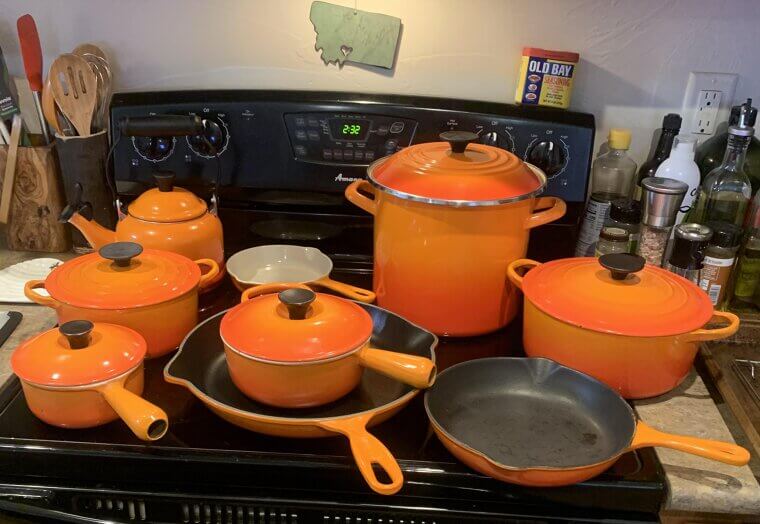
If you have a heavy orange pot that's been in the family since the Eisenhower era, it might be worth more than your entire modern cookware set.
Viking Glass "Epic" Floor Vases: $800 for Mid-Century Elegance
These towering, stretched glass vases were a staple of 1960s interior design. Often standing over two feet tall, they come in vibrant colors like "Persimmon" (orange), "Bluenique," and "Amberina." Because they are top-heavy and made of glass, many were broken over the years, making surviving "swung" vases quite valuable. If you have one of these brightly colored glass "fingers" sitting in a corner, take a closer look.
The taller and more vibrant the color, the more collectors are willing to pay to add that perfect pop of retro flair to their homes.
1950s Turquoise KitchenAid Mixers: The $1,000 Countertop Icon
KitchenAid mixers have looked largely the same for decades, but the vintage colors are what drive the price into the thousands. Models from the 1950s in "Petal Pink," "Island Green," or "Sunny Yellow" are incredibly rare. Unlike modern appliances, these vintage beauties were built with all-metal gears that rarely fail. Collectors and professional bakers alike hunt for these "Model G" or "Model K" mixers.
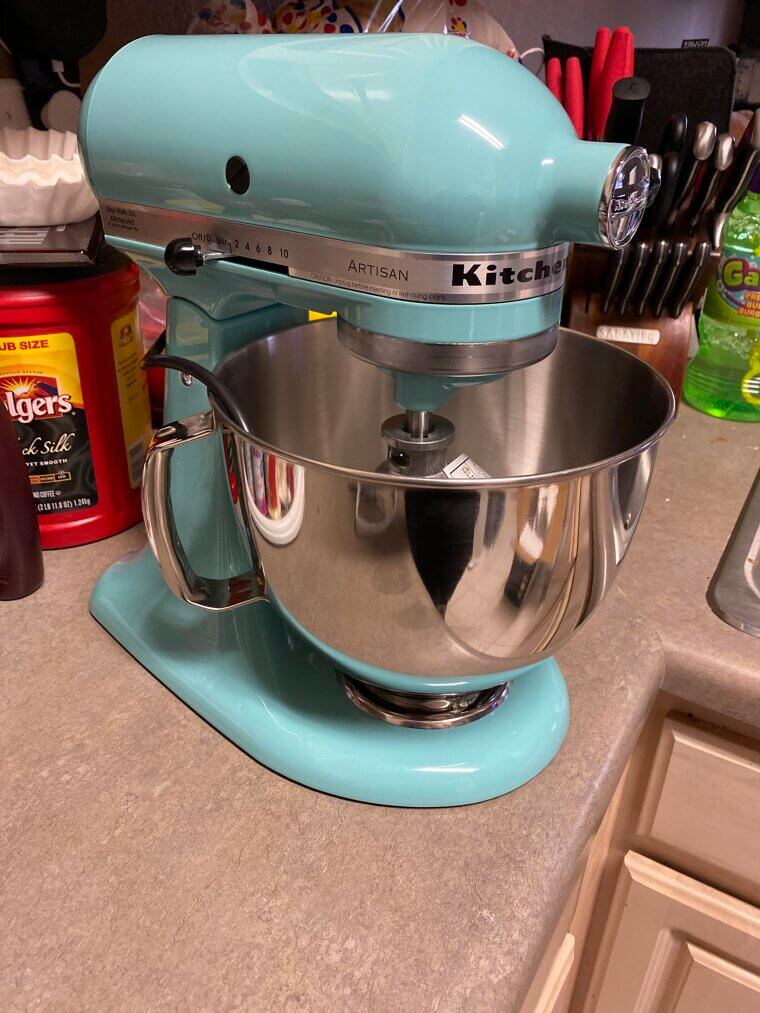
If you have a heavy, colorful mixer that was a wedding gift decades ago, it might be the most valuable appliance in your kitchen—even if it needs a little grease.
Retro "Boomboxes" From the 1980s: The $1,500 Portable Party
The larger the better when it comes to vintage portable stereos. Brands like Lasonic, Sharp, and JVC produced massive "Ghetto Blasters" with dual cassette decks and huge speakers. While they were once considered "dated" technology, they are now iconic symbols of 80s culture. Collectors look for models with "chrome" accents and working shortwave radio dials. If you have a dusty boombox in the garage that still plays tapes clearly, you are looking at a high-value item.
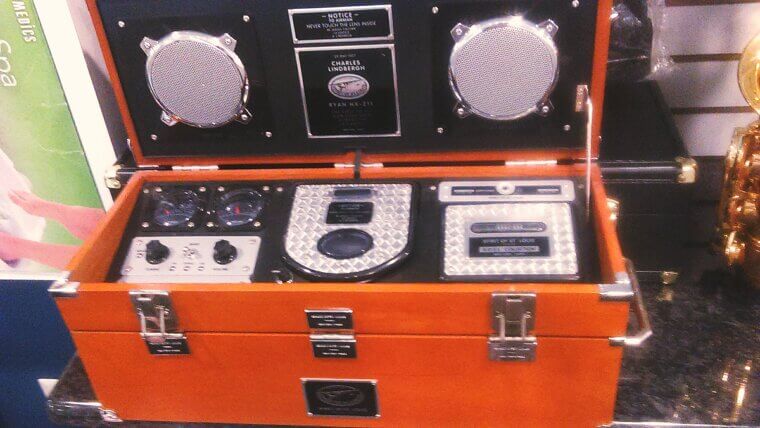
These are particularly popular with music enthusiasts who miss the tactile feel of physical media and loud, bass-heavy speakers.
Lefton "Blue Boy" and "Pinkie" Figurines: $300 for the Pair
These delicate porcelain figurines, inspired by the famous Gainsborough and Lawrence paintings, were ubiquitous on fireplace mantels in the 1950s. Produced by the Lefton Company in Japan, they feature intricate "spaghetti" lace or gold-trimmed clothing. While many figurines have lost their value, a matched set of these two in pristine condition remains a steady favorite for traditional collectors. Check the bottom for a red and gold foil sticker or a stamped "Lefton" mark.
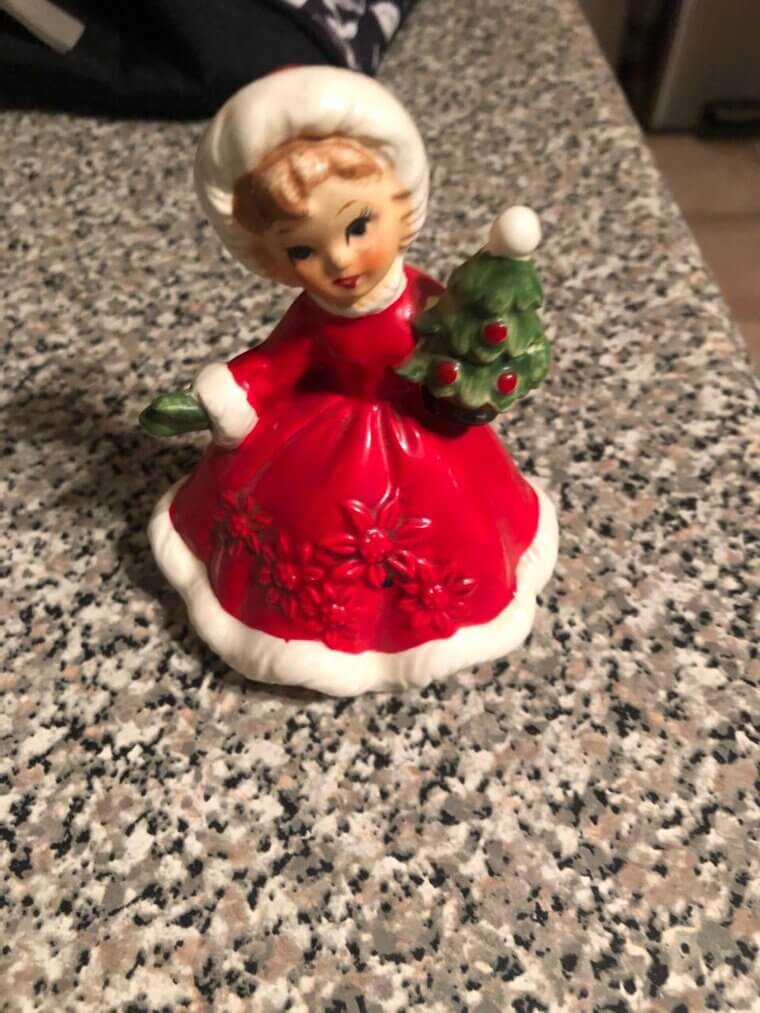
Without any chips or "flea bites" on the delicate porcelain, these blue and pink children can be quite a lucrative find.
Vintage Metal Lunchboxes: $1,000 for a "The Jetsons" Snack
Before the industry switched to plastic in the mid-80s, school kids carried their PB&Js in lithographed steel boxes. If you have a lunchbox featuring "The Jetsons," "Star Trek," or even the "Beatles," you could be sitting on a major payout. The most valuable part is often the matching glass thermos. Collectors look for "grade-A" condition, meaning minimal rust and bright colors. Even seemingly obscure TV shows from the 60s can command high prices.
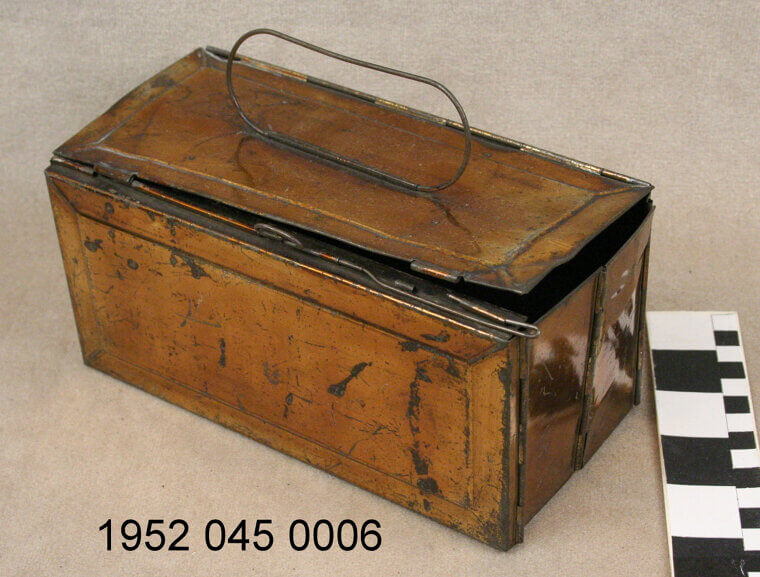
And that's because fewer of those boxes were made. Dig through those old school supplies; your childhood lunch might finally pay for itself.
Jadeite "Fire-King" Restaurant Ware: $150 for a Single Mug
You might recognize this milky-green glass from old diners or Martha Stewart’s kitchen. Produced by Anchor Hocking, "Jadeite" was originally given away in flour bags or as promotional items. Today, it is a blue-chip collectible. The heavy "Restaurant Ware" mugs are particularly valuable because they are virtually chip-proof and feel wonderful in the hand. If you have a stack of green plates or bowls that look like they belong in a 1940s cafe, look at them carefully.
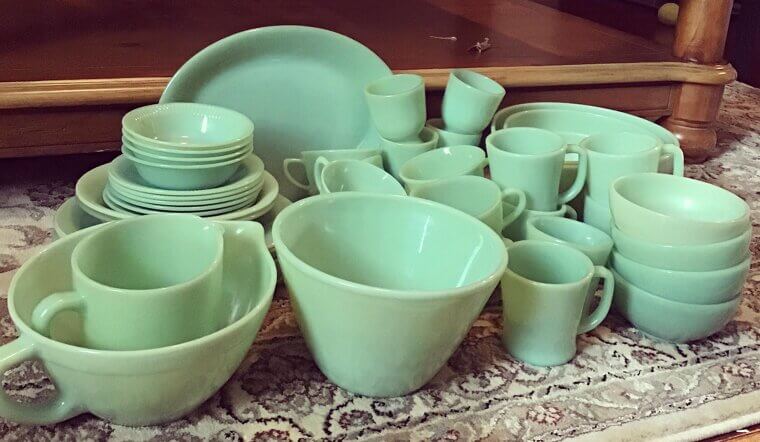
Check the bottom for the "Fire-King" ovenware mark. A simple coffee mug can easily fetch over $100 from a hungry collector.
Hand-Stitched "Feed Sack" Quilts: The $1,200 Patchwork History
During the Depression, flour and grain were sold in cotton sacks with beautiful floral prints so women could reuse the fabric for clothing and quilts. A genuine "feed sack" quilt is a piece of American folk art. Collectors look for the variety of patterns and the quality of the hand-stitching. If you have an old quilt that feels slightly rougher than modern cotton and features a riot of different small-scale floral prints, you could be sitting on a goldmine.
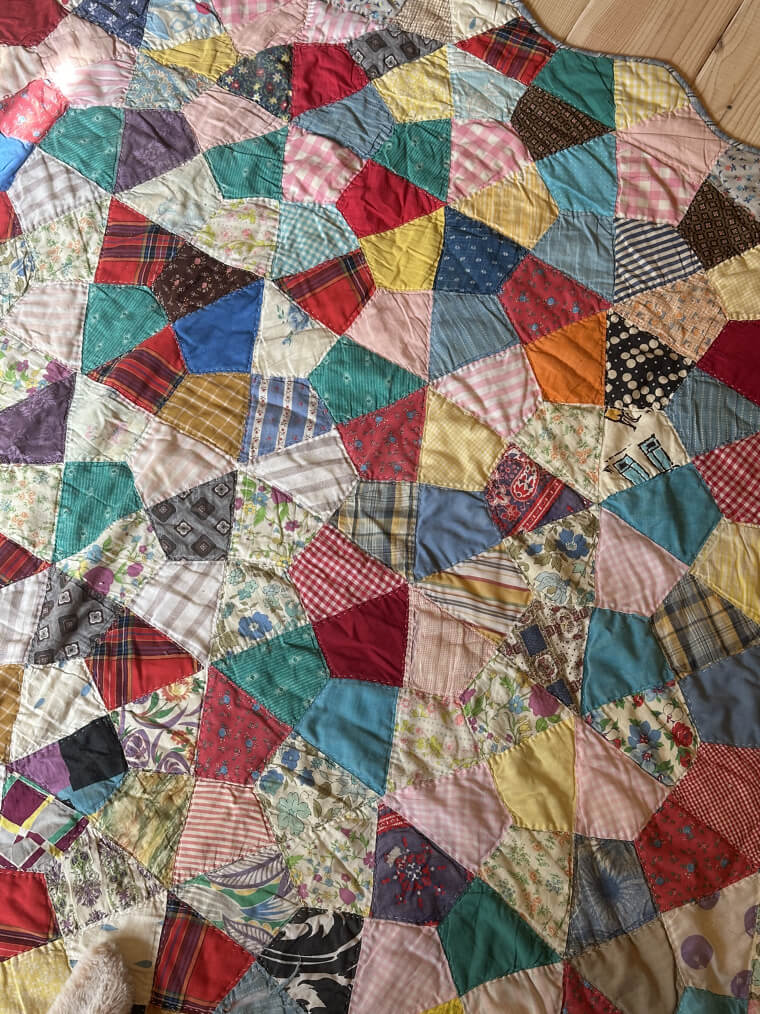
It might be a Depression-era treasure. These quilts represent a time of incredible resourcefulness and are highly valued in the textile market.
Vintage Cast Iron Skillets (Griswold or Wagner): The $800 Pan
Not all cast iron is created equal. If you flip over your heavy skillet and see the "Griswold" cross logo or the "Wagner Ware" stylized script, you have a professional-grade tool that collectors adore. Unlike modern cast iron, which has a pebbly texture, these vintage pans were factory-ground to a mirror-smooth finish. This makes them naturally non-stick and much lighter than today's versions. A "Griswold No. 13" is particularly rare.
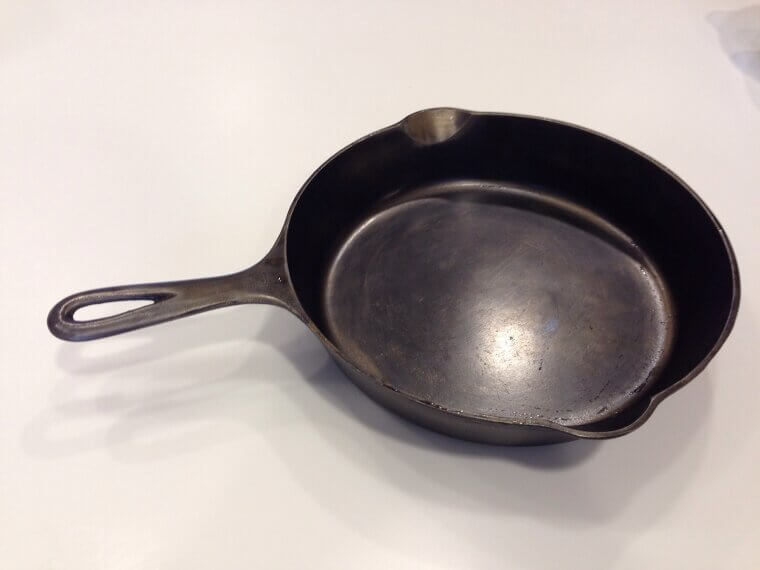
Due to its rarity, it can fetch a massive price. Don't scrub off that black seasoning—that's decades of history that actually protects the value of the pan.
Original "Star Wars" Action Figures: The $10,000 "Small" Fortune
While many people know these are valuable, few realize just how much a "small head" Han Solo or a "vinyl cape" Jawa can bring. If you have action figures from 1977 to 1985 tucked away in a shoe box, it’s time to get them appraised. Even loose figures in good condition with their original weapons are worth hundreds. If you were the kind of child who kept the packaging, you're in luck.
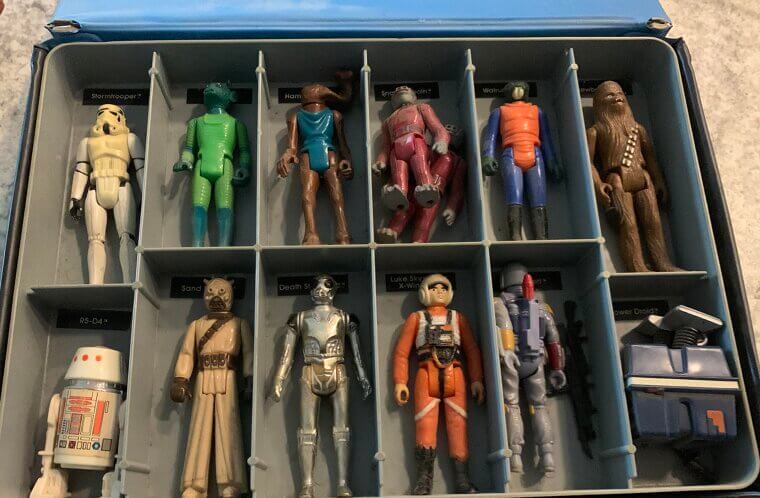
You could be looking at a life-changing amount of money. The market for these "Kenner" toys is one of the most stable and high-priced in the entire world of collectibles.
Mid-Century "Atomic" Barkcloth Curtains: $500 for a Pair of Drapes
Barkcloth is a thick, textured cotton fabric that was incredibly popular for drapes and upholstery in the 1940s and 50s. The "Atomic" patterns—featuring abstract shapes, boomerangs, and starbursts—are currently in high demand for retro home restorations. If you have old, heavy curtains stored in a cedar chest, pull them out. Check for vibrant colors and a lack of sun-fading. Even large scraps of this fabric are sold by the yard to crafters.
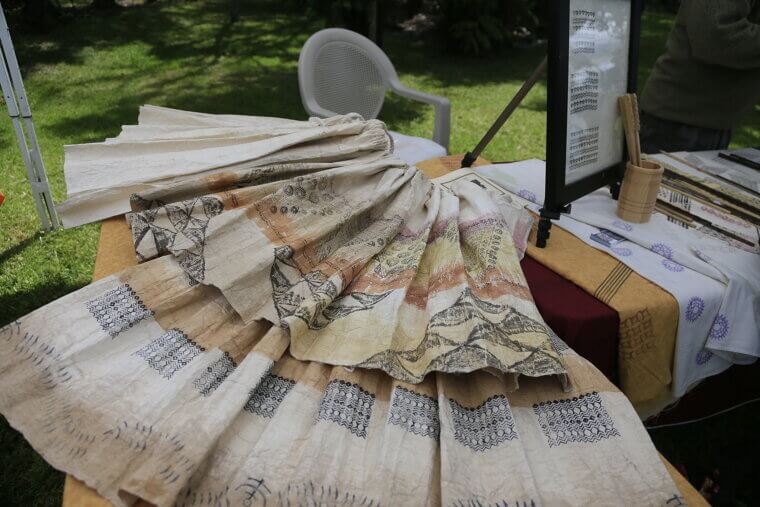
A full set of floor-to-ceiling drapes in a classic 1950s print can turn a "junk" pile into a significant windfall.
Sterling Silver Flatware Sets: $3,000 for the "Good" Silver
Many people have a wooden chest of silver "reportedly" passed down from a great-aunt. The key is to check the back for the word "Sterling" or the number "925." If it says "Plate" or "A1," it is silver-plated and worth very little. However, a solid sterling set—even an incomplete one—is worth a significant amount based on the silver weight alone. If the pattern is by a famous maker like Tiffany, Gorham, or Wallace, you're looking at a nice sum.
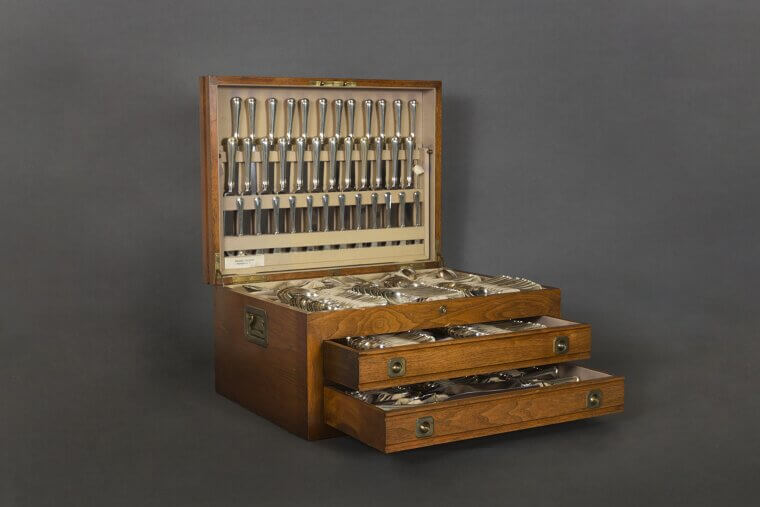
Especially if you have the "Grand Baroque" pattern, the "collector value" will far exceed the scrap price of the metal itself.
Vintage "Standard" Porcelain Signs: $5,000 for Gas Station History
If you have an old metal sign for oil, soda, or tobacco leaning against a wall in your garage, don't throw it away. "Porcelain-on-steel" signs from the early to mid-20th century are highly prized by "petroliana" collectors. Signs with the "Standard Oil" eagle or "Coca-Cola" logos are classics, but even obscure regional brands can be valuable. Look for signs with minimal "shelving" (chipping of the porcelain) and bright, glossy colors.
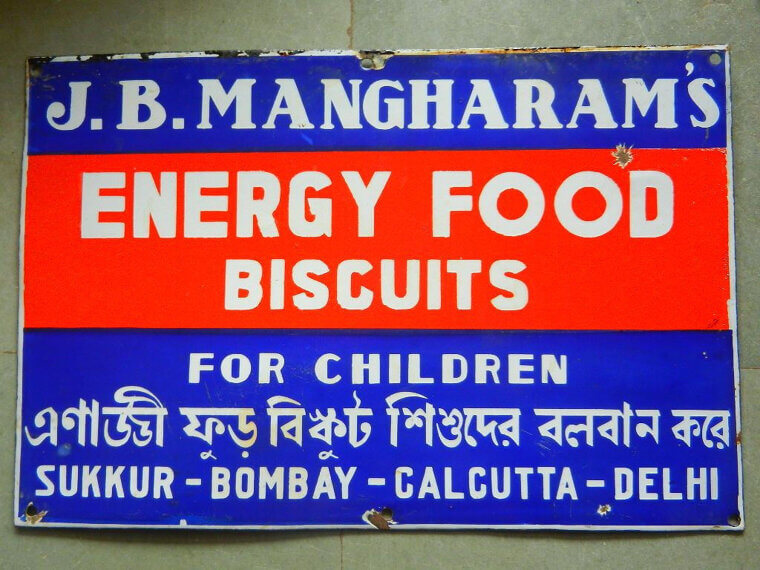
These pieces of Americana are considered blue-chip investments and often appreciate faster than traditional stocks or bonds.
Antique Steiff Teddy Bears: $8,000 for a "Button in Ear"
The Steiff company invented the teddy bear, and their early 20th-century creations are the gold standard for toy collectors. The hallmark of a genuine Steiff is the small metal button in the left ear. Even if the button is missing, an expert can identify them by their long limbs, hump on the back, and felt paw pads. These bears were stuffed with "excelsior" (wood wool), which gives them a firm, crunchy feel.
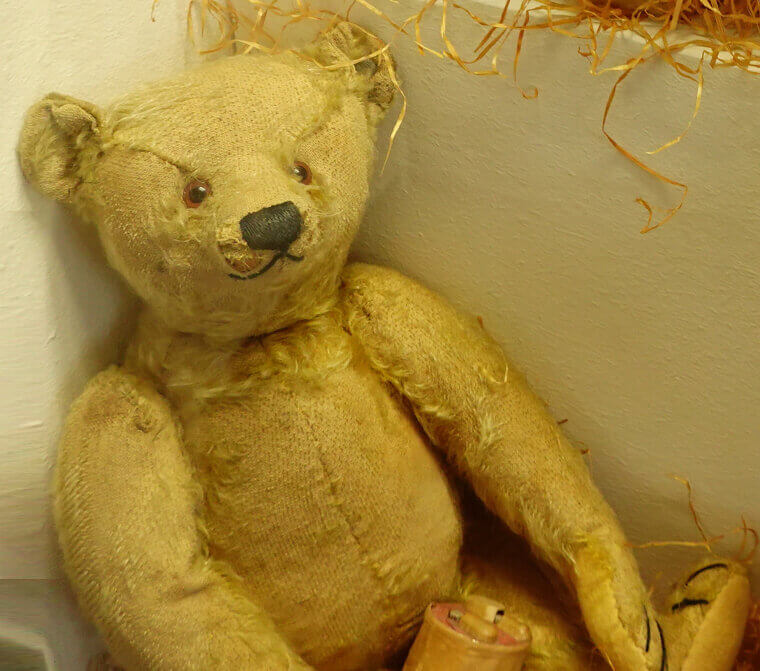
An original "Mohair" bear from the pre-war era in good condition can be worth as much as a new car.
Vintage Boy Scout Uniforms and Badges: $400 for a Sash
While a modern uniform isn't worth much, items from the 1930s, 40s, or 50s are a different story. "Eagle Scout" medals, early handbooks, and sashes filled with merit patches are highly collectible. Look for the "square" patches rather than the modern round ones. Items belonging to "Order of the Arrow" members or patches from defunct summer camps can be particularly lucrative. So it's definitely worth to check if you have your father's or grandfather's old scout gear tucked in a trunk.
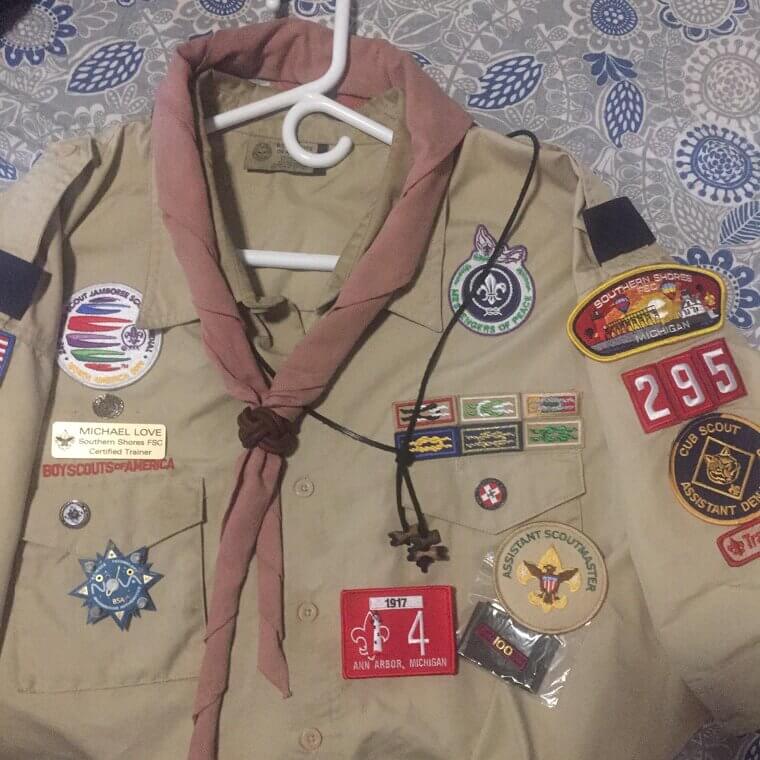
Check the attic and the basement because you might be surprised by the "scout's honor" price a collector is willing to pay.
1960s "Barbie" and Her Original Wardrobe: $2,500 for a Fashion Icon
The original "Number 1" Barbie from 1959 is distinguished by the holes in the bottom of her feet and her heavy, "cat-eye" makeup. However, even "Mod" era Barbies from the late 60s with "TNT" (Twist 'n Turn) waists and rooted eyelashes are valuable. The real money is often in the clothes. Tiny zippers, "Barbie" woven labels, and complete accessory sets (like tiny shoes and hats) are highly sought after.
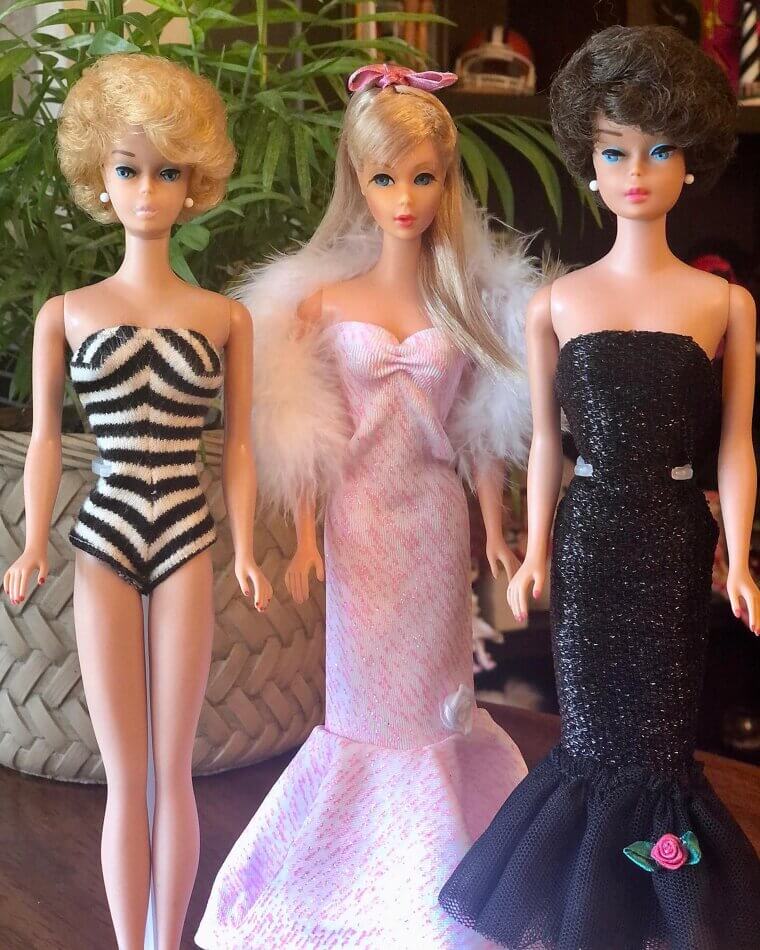
If you have a black vinyl Barbie case full of 1960s fashion, you are holding onto a very stylish and very valuable piece of pop culture history.
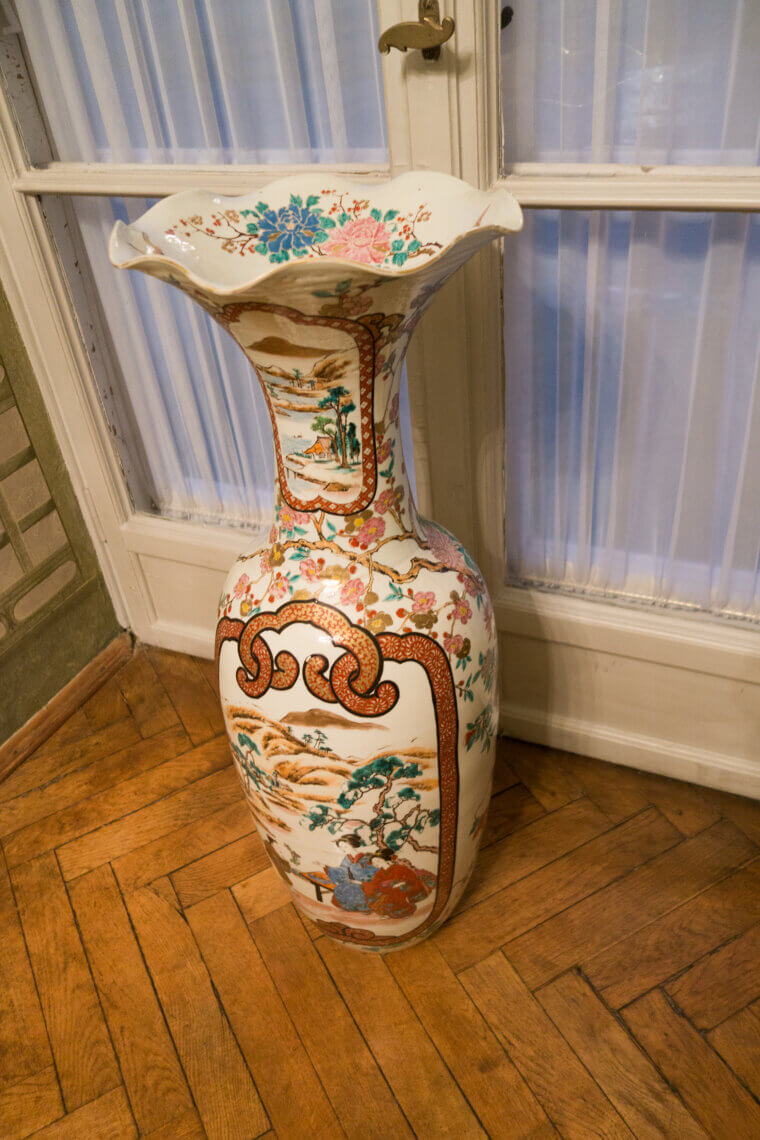
Victorian "Satsuma" Pottery: $1,200 for an Intricate Vase
Satsuma is a type of Japanese earthenware that became incredibly popular in the West during the late 19th century. It is characterized by its ivory-colored "crackle" glaze and incredibly detailed hand-painted scenes, often accented with raised gold "moriage" decoration. If you have a vase or a tea set with dozens of tiny, distinct faces painted on it, you might have a high-quality Satsuma piece. Collectors look for the "Shimazu" family crest (a circle with a cross) on the bottom.
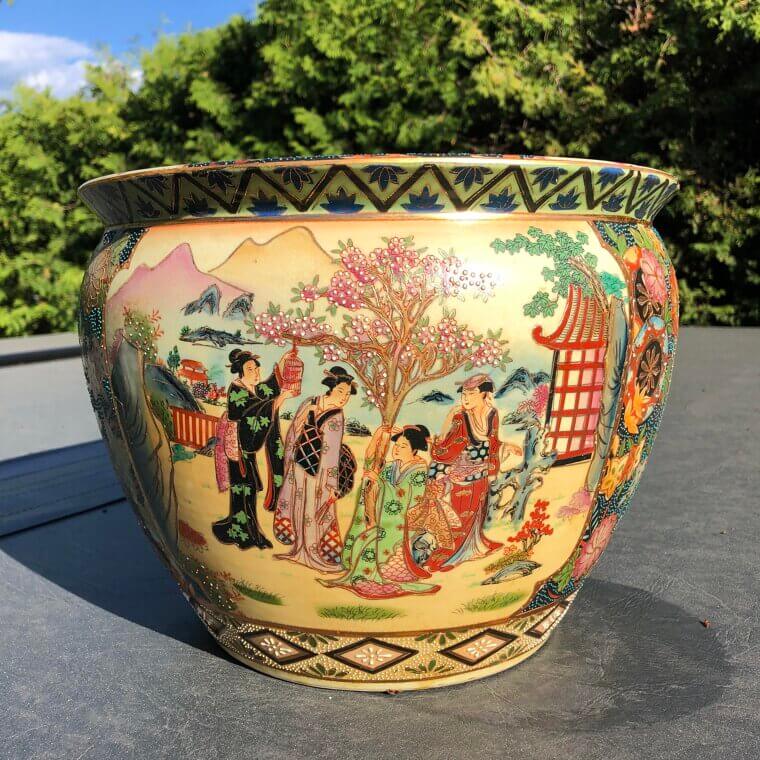
These pieces were "allegedly" once common wedding gifts that are now prized museum-quality collectibles.
Vintage "Zippo" Lighters: $600 for a Click of History
Zippos are famous for their lifetime guarantee, and they have been a staple of American life since 1932. The most valuable ones are often from the WWII era, made of "black crackle" steel because brass was needed for the war effort. Lighters with military insignias, corporate logos, or early "town and country" hand-painted designs are particularly pricey. Look at the bottom of the lighter; a system of dots and slashes can help you date it.
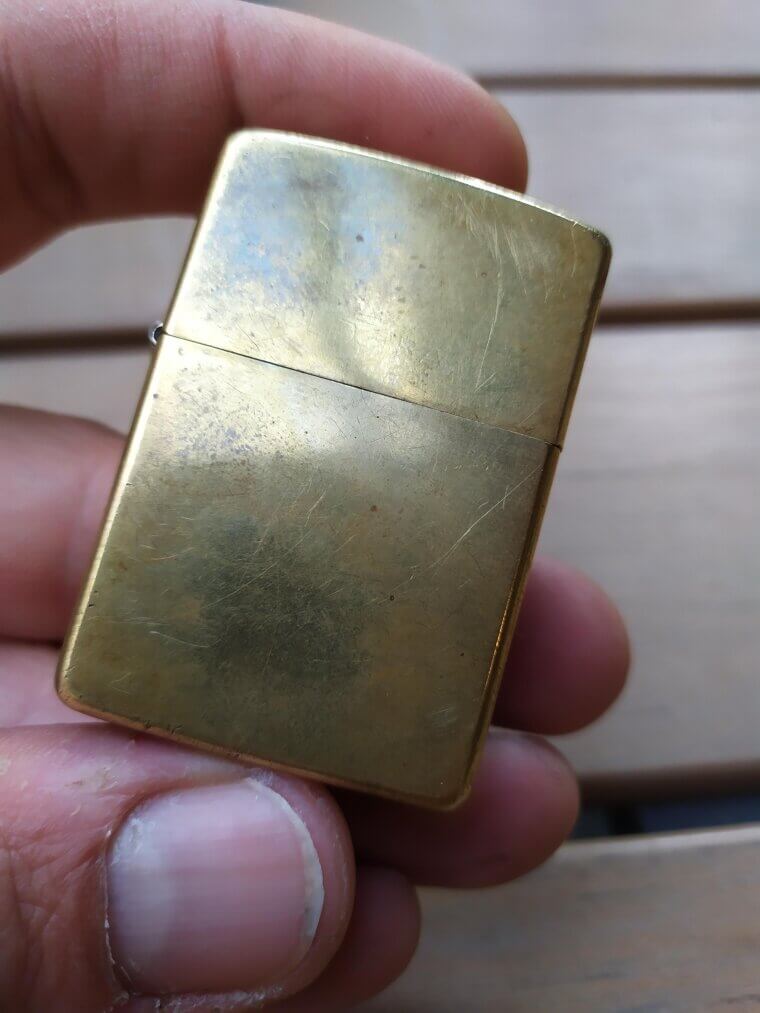
A working Zippo from the 1940s or 50s is a small, heavy piece of silver that carries a lot of weight in the collector's market.
"Hopalong Cassidy" or "Roy Rogers" Memorabilia: $500 for a Cowboy Hero
For children of the 1950s, these TV cowboys were the ultimate idols. Items like "cap guns" (if they are still legal to sell in your state), lunchboxes, and specifically "wristwatches" are highly prized. A "Hopalong Cassidy" bicycle with the original built-in holsters is a "Holy Grail" item worth thousands. If you have old Western-themed toys in the attic, look for the official character signatures.
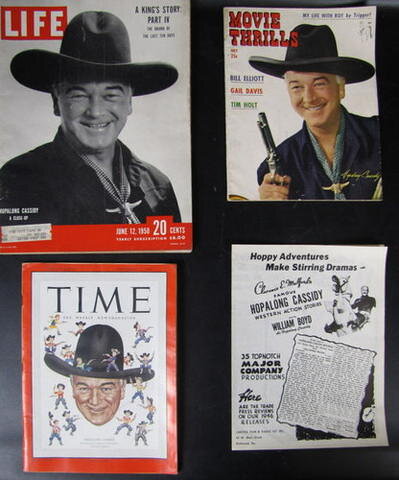
Nostalgia for the "Golden Age of Television" continues to drive prices up as collectors look to reclaim a piece of their youthful adventures on the frontier.
Vintage "Apple" Computers: $5,000 for a Beige Box
Before they were sleek and silver, Apple computers were chunky, beige boxes. An original "Apple I" is worth hundreds of thousands, but even the "Macintosh 128K" or the "Apple II" from the late 70s and early 80s are worth a pretty penny. Collectors look for "complete-in-box" systems with the original software and manuals. If you have an old computer taking up space in the basement because you "might use it someday," well, then today might just be the day.
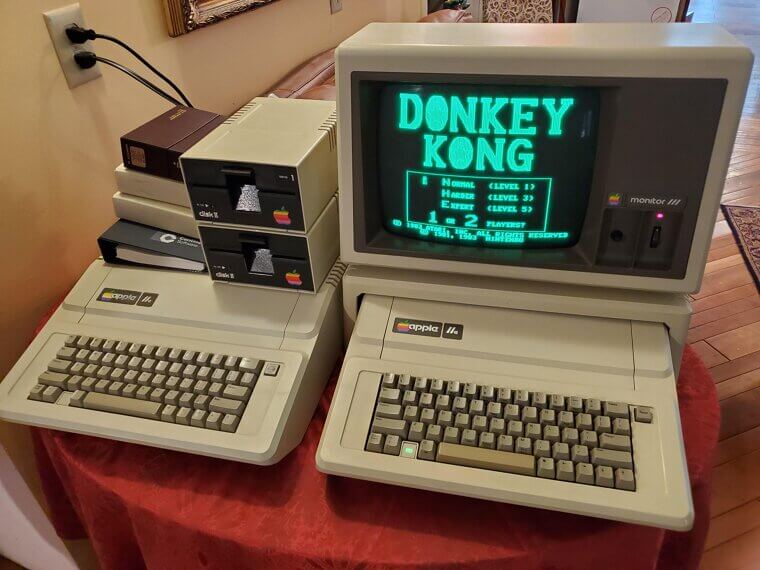
Check the model number. That old technology might be the most valuable thing in your home storage.
"Black Forest" Cuckoo Clocks: $1,500 for a Wood-Carved Wonder
Genuine hand-carved clocks from the Black Forest region of Germany are masterpieces of mechanical art. Look for clocks that have "wooden" gears (very early) or intricate hunting scenes with deer and birds. The weight of the clock—usually shaped like pine cones—and the quality of the bellows that make the "cuckoo" sound are key indicators of value. A clock that is "reportedly" over 100 years old and still keeps time is a rare find.
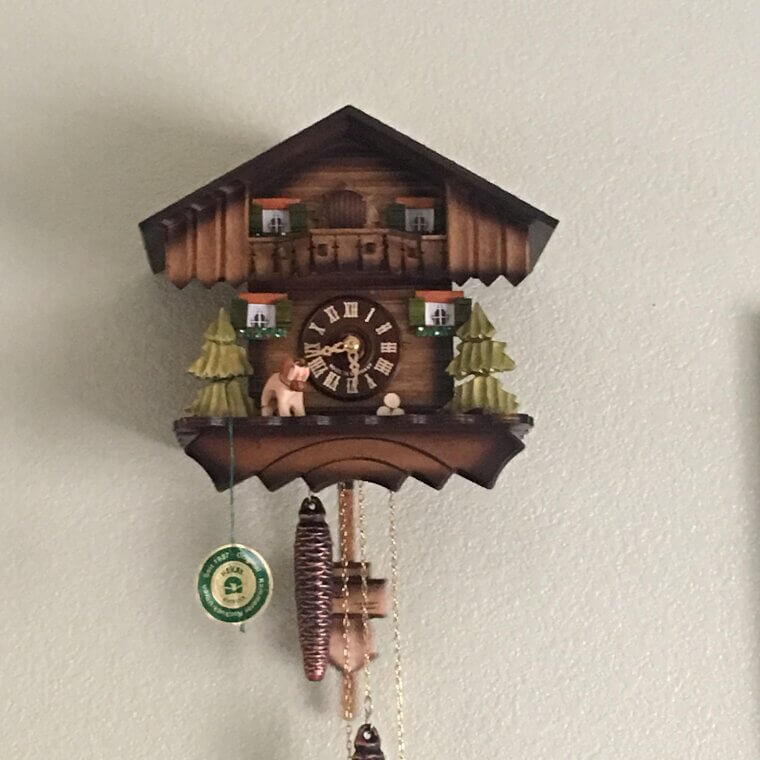
These clocks represent centuries of tradition and remain a staple for collectors of fine horology and European folk art.
Vintage "Band Tees" From the 1970s: $800 for a Faded Shirt
Don't throw away those "thin" and "faded" concert shirts from your youth. A 1970s Led Zeppelin, Pink Floyd, or Rolling Stones tour shirt can be worth more than a designer suit. Collectors look for "single-stitch" hems (a sign of age) and the original concert dates on the back. Even if the shirt has a few small holes or the graphic is cracking, the "patina" of a well-worn rock shirt is highly desirable.
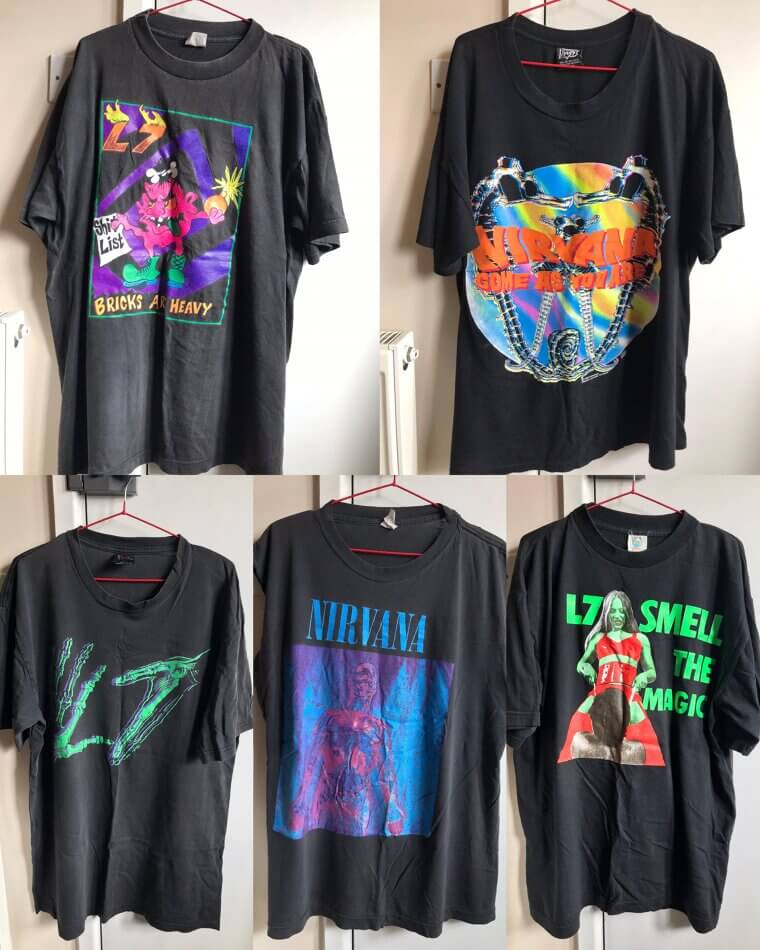
Your old drawer of "painting shirts" might actually be a gallery of high-value textile art for the modern vintage market.
Hand-Blown "Murano" Glass Animals: $400 for a Glass Menagerie
Originating from the island of Murano in Venice, Italy, these glass pieces are world-renowned for their vibrant colors and gold-leaf infusions. The 1950s and 60s saw a boom in Murano glass "sculptures," ranging from graceful birds to whimsical fish. If you have a heavy glass animal that feels like quality and has a "pontil mark" (a rough spot on the bottom where it was broken off the glassblower's rod), it’s likely authentic.
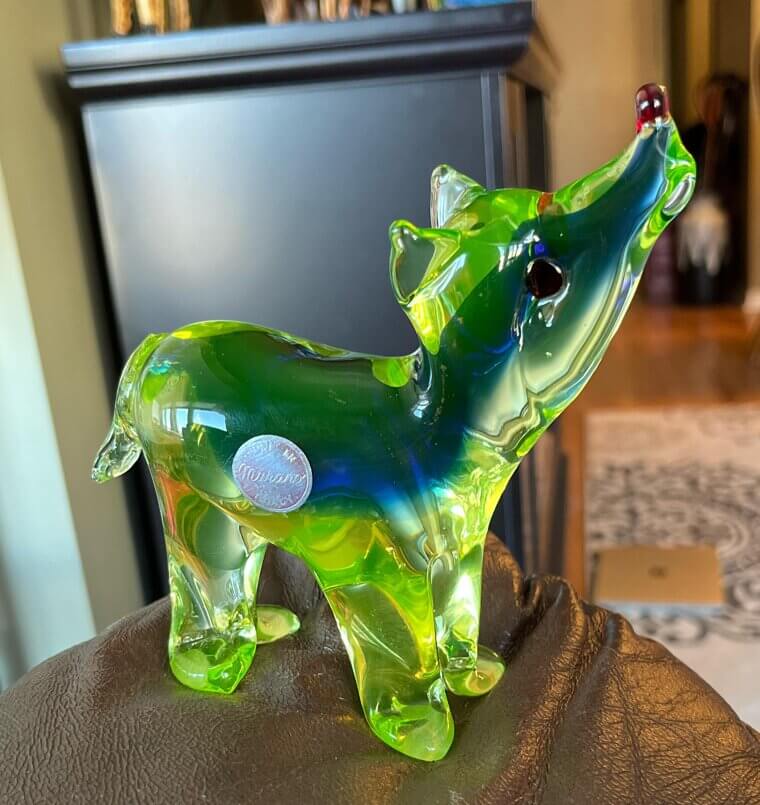
Authentic Murano pieces are highly sought after by decorators looking to add a touch of mid-century Italian luxury to modern homes.
First-Edition "Harry Potter" Books: $50,000 for a Modern Classic
While most of us have the later printings, a first edition of Harry Potter and the Philosopher's Stone (published in the UK) is the ultimate prize. For the American version, look for the "10 9 8 7 6 5 4 3 2 1" number line on the copyright page and the "Guardian" blurb on the back. If you bought these for your children or grandchildren when they first came out, go to the bookshelf immediately.
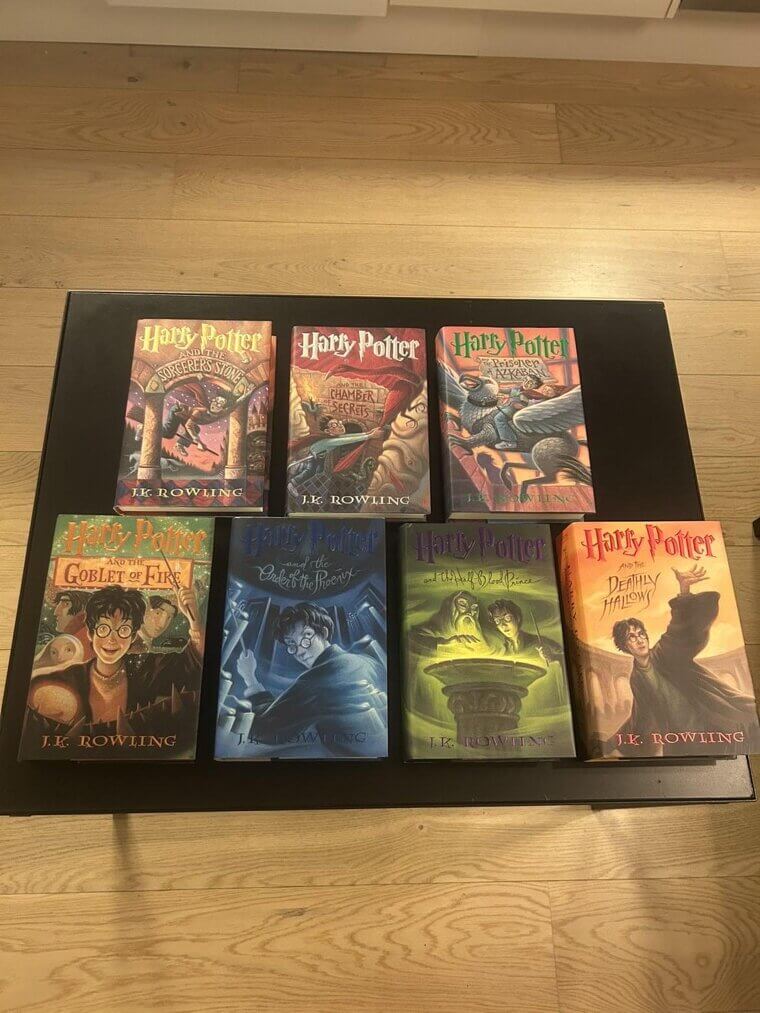
Even "early" printings of the first three books can fetch hundreds of dollars if they are in excellent condition with their dust jackets intact.
Vintage "Turquoise" Jewelry: $1,200 for a Squash Blossom Necklace
Southwestern jewelry, particularly pieces made by Navajo or Zuni artisans in the 1940s-1970s, has seen a massive resurgence in value. A "Squash Blossom" necklace with genuine turquoise and sterling silver is a statement piece that collectors covet. Look for "natural" turquoise, which has character and color variations, rather than the uniform "plastic-looking" stones. Many of these pieces were "reportedly" purchased as souvenirs during road trips out West.
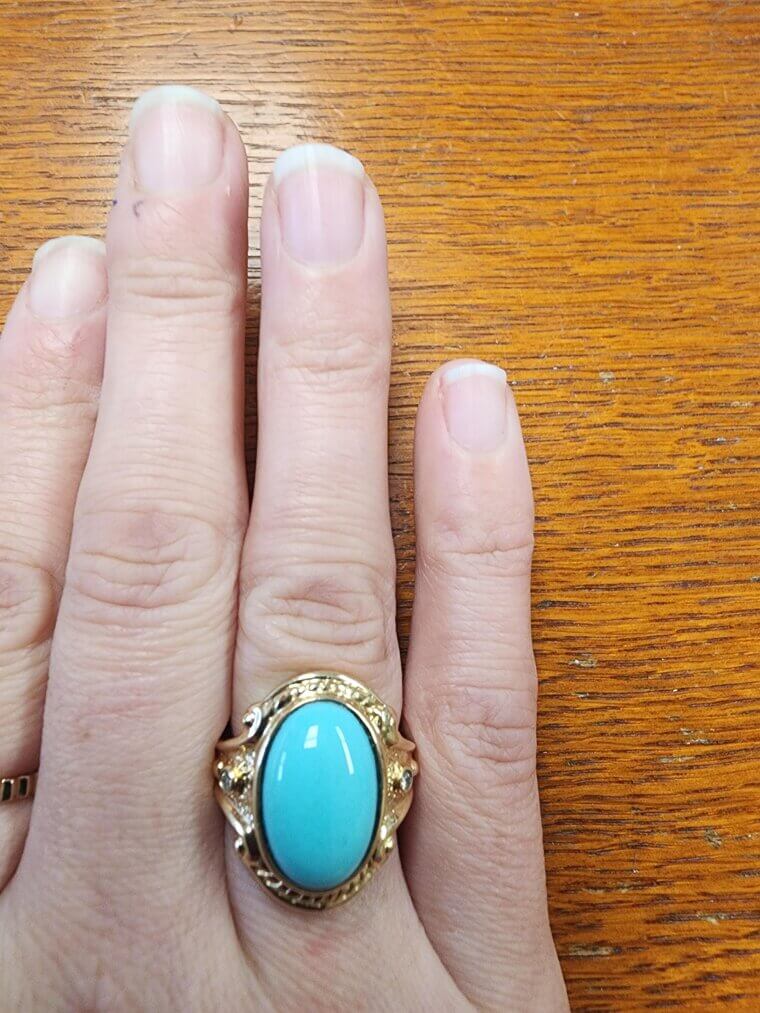
Today, they are considered significant works of Indigenous art and command high prices at specialized auctions and high-end vintage boutiques.
"McCoy" Pottery Cookie Jars: $500 for a Sweet Treat
The Nelson McCoy Sanitary Stoneware Company produced some of the most recognizable pottery in America. Their cookie jars—shaped like مامy owls, mammy (controversial but collectible), or even the famous "W.C. Fields"—are highly prized. Check the bottom for the "McCoy" script or block letters. Beware of "reproductions," which often have blurry details. A genuine McCoy jar with no cracks or "crazing" in the glaze is a classic piece of Americana.
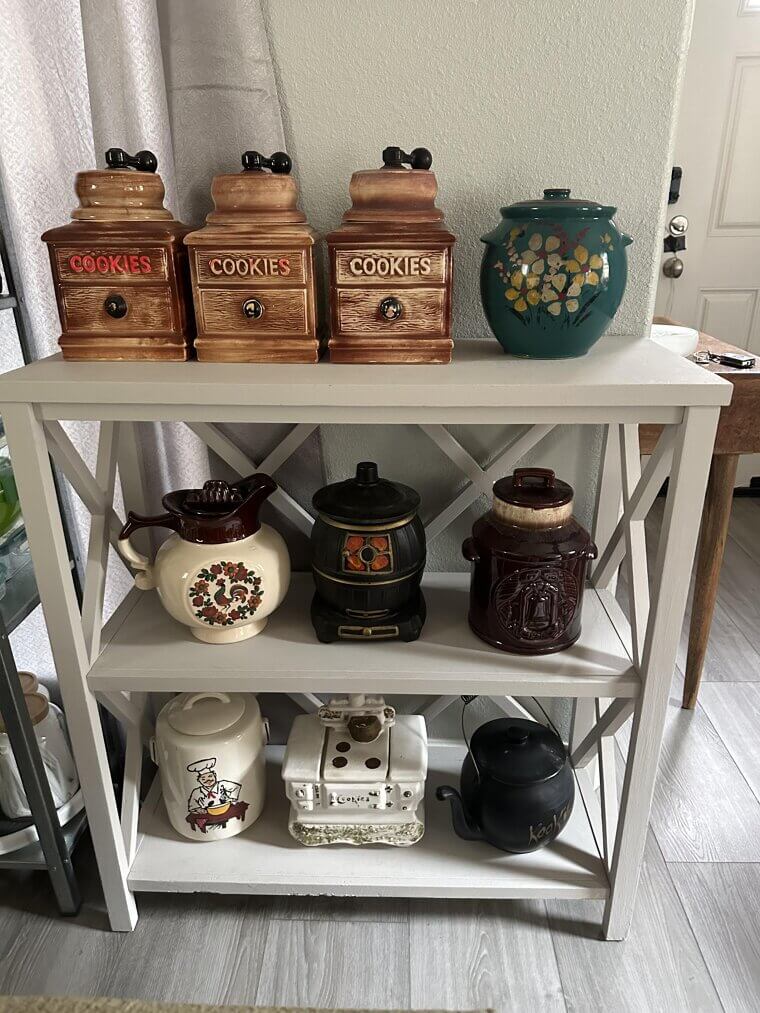
That ceramic jar that held your ginger snaps for forty years might just be the most expensive thing on your kitchen counter.