
We humans are creatures of habit. We think that things go a certain way, and it takes a lot for us to change our minds. This is especially true if these habits are based on things we were taught growing up. However, doing something one way your entire life doesn't mean it's the right thing to do, like keeping certain foods in the fridge or freezer. Believe it or not, it turns out you've been storing your favorite foods all wrong this whole time! For more myth-busting revelations, read on.
Unripe Avocados: The Cold Air Stalls the Ripening Process and Turns Texture Rubbery
Avocados are climacteric fruits, meaning they need a warm environment to trigger the ethylene production required for ripening. When placed in the cold, the metabolic processes responsible for softening the green flesh come to a grinding halt. Instead of becoming creamy and buttery, the avocado develops a rubbery, stringy texture that is unappealing to the palate. Furthermore, the cold can damage the cellular structure, causing the interior to turn a bruised, grayish-brown color even before it softens.
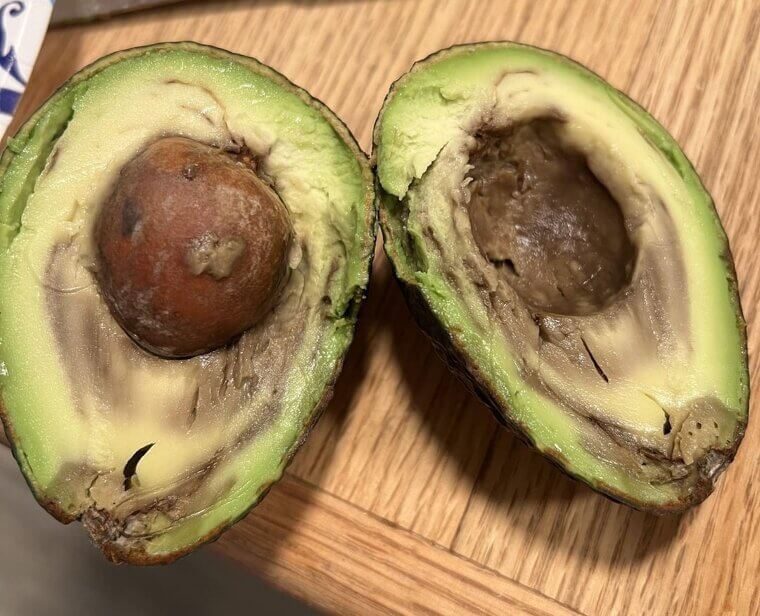
For the perfect guacamole, keep avocados on the counter until they yield to gentle pressure before considering any refrigeration.
Garlic Bulbs: Refrigeration Triggers Sprouting and Causes a Rubberized Texture
Garlic thrives in dry, room-temperature environments with plenty of air circulation. When tucked away in the refrigerator, the darkness and cold mimic the conditions of winter, which signals the bulb to begin sprouting. These green shoots draw energy from the cloves, leaving them withered and bitter. Additionally, the humidity of the fridge encourages a rubberized texture and can lead to the growth of "blue mold."
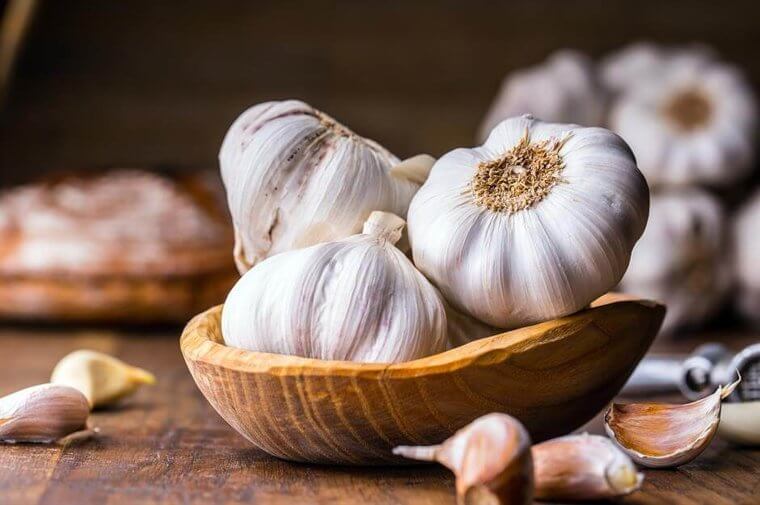
That's a fungal infection that thrives in damp, chilled spaces. To maintain that sharp, pungent flavor and firm cloves, store your garlic in a mesh bag or open ceramic bowl in the pantry.
Shelled Nuts: Cold Environments Trap Humidity and Can Strip Away Natural Oils and Crunch
While the oils in nuts can eventually go rancid, the refrigerator is often a poor solution for shelled varieties. Nuts are highly porous and act like tiny sponges, absorbing the ambient moisture and various odors of a crowded fridge. This trapped humidity compromises the structural integrity of the nut, stripping away the satisfying "crunch" and leaving behind a soft, stale texture. Moreover, the cold temperature mutes the subtle, earthy notes of the natural oils.
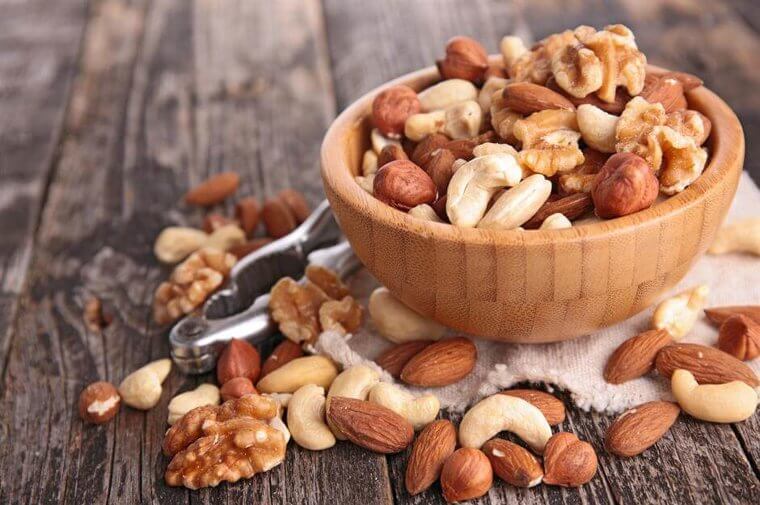
To keep walnuts, pecans, or almonds at their peak, store them in an airtight container in a cool, dark cupboard where they remain crisp and aromatic.
Honey Jars: Lower Temperatures Accelerate Crystallization and Turn the Smooth Liquid Into a Solid Mass
Honey is a miracle of nature, boasting a chemistry that makes it naturally shelf-stable for centuries. However, refrigeration is the fastest way to ruin its golden, liquid glory. Lower temperatures accelerate the process of glucose crystallization, causing the sugar molecules to bind together into a gritty, solid mass. Once crystallized, honey becomes difficult to scoop and looses its transparent luster. It can be "melted" back to liquid with a warm bath, but that's not preferable.

Frequent temperature swings degrade the delicate floral enzymes and antioxidants. Keep your honey jars in the pantry to ensure a smooth, effortless drizzle every time.
Whole Onions: Lack of Airflow and Excess Moisture Turn Firm Bulbs Soft and Moldy
Onions require a dry environment with significant airflow to maintain their protective, papery skins. In the refrigerator, the lack of ventilation and the presence of excess humidity cause the onion's starch to convert into sugars, which quickly leads to a soft, mushy consistency. Even worse, the dampness promotes the growth of mold and mildew, often starting at the root end. The pungent aroma of a refrigerated onion can also migrate to neighboring foods like butter or milk.
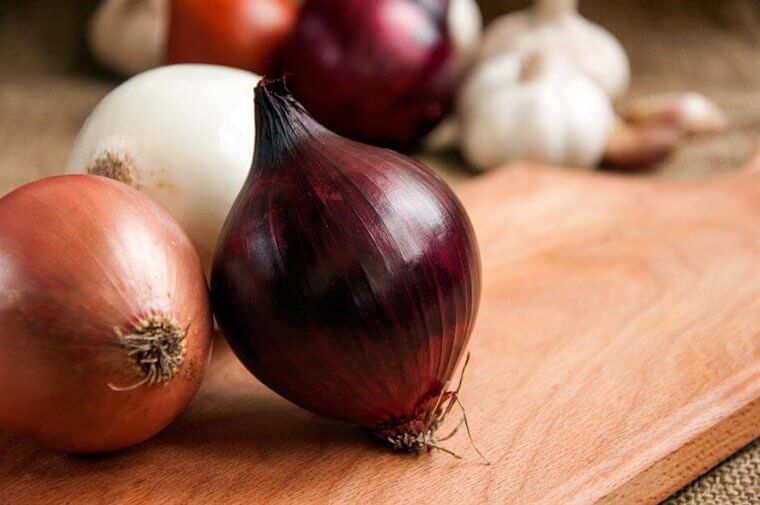
For long-lasting, firm bulbs, store onions in a cool, dark, dry place—just be sure to keep them away from potatoes.
Butternut Squash: Chilly Air Breaks Down Protective Sugars and Leads to a Mealy Texture
Hard-skinned winter squashes like butternut are designed by nature to last through the cold months in a dry cellar, not a damp refrigerator. The chilly, humid air of a modern fridge breaks down the protective sugars within the squash, which are essential for maintaining its structural integrity. This leads to a mealy, watery texture once cooked and can cause the rind to develop sunken, soft spots susceptible to rot.

To preserve the vibrant orange color and nutty, sweet flavor, keep butternut squash at room temperature. This allows the starches to concentrate properly, ensuring a creamy puree or perfect roast.
Olive Oil: Cold Temperatures Cause the Liquid to Solidify and Cloud Your High-Quality Fats
High-quality extra virgin olive oil is rich in monounsaturated fats that respond poorly to extreme cold. When stored in the fridge, the oil undergoes a physical transition, beginning to cloud and eventually solidifying into a thick, butter-like consistency. While this doesn't necessarily spoil the oil, the repeated cycle of solidifying and melting can cause the delicate flavor compounds to break down, leading to a flatter, less peppery profile.
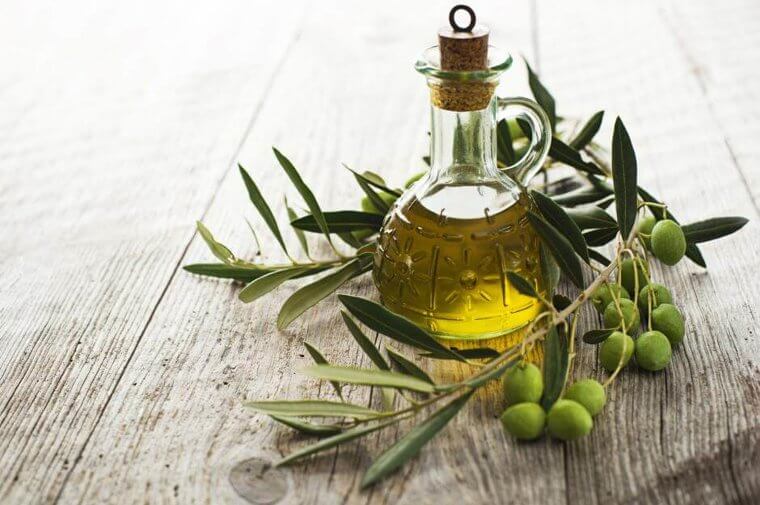
Additionally, it makes the oil impossible to use for a quick dressing or sauté. Keep your olive oil in a dark glass bottle in a cool cupboard to preserve its liquid gold state.
Potatoes: Cold Temperatures Convert Natural Starches Into Sugar and Create a Gritty Texture
The refrigerator is a laboratory for unwanted chemical changes in potatoes. When exposed to temperatures below 4 degrees Celsius, the potato’s enzymes begin to convert its complex starches into simple sugars. This process, known as "cold-induced sweetening," results in a potato that tastes unnaturally sweet and develops a gritty, unappealing texture when cooked. More importantly, these excess sugars can lead to higher levels of acrylamide—a chemical byproduct—when the potato is fried or roasted at high heat.
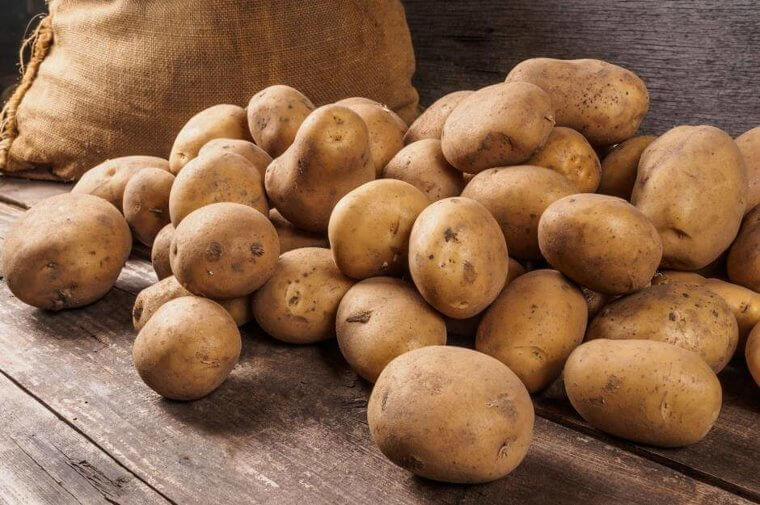
To maintain a fluffy, starchy interior and a neutral flavor, store potatoes in a dark, well-ventilated paper bag in the pantry.
Sweet Potatoes: Refrigeration Hardens the Core and Ruins the Consistency for Cooking
Sweet potatoes are even more sensitive to the cold than their white counterparts. Refrigeration causes a phenomenon where the core of the vegetable hardens, a change that persists even after hours of boiling or baking. This "hard core" results in a patchy, uneven texture where some parts are mushy and others are unpleasantly firm. Furthermore, the cold environment can alter the sweet potato’s flavor profile, muting the rich, earthy sweetness that makes them so popular.
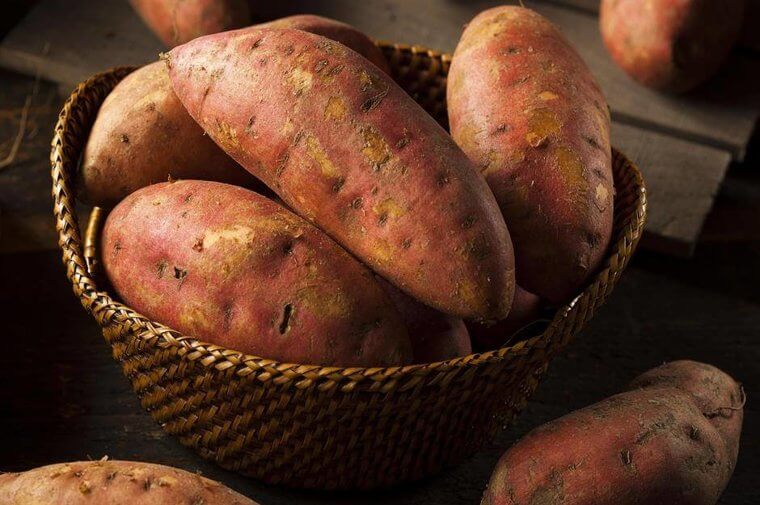
To ensure your yams and sweet potatoes remain velvety and flavorful, treat them like tropical vegetables and keep them in a cool, dry, dark cabinet.
Bread Loaves: Refrigeration Pulls Out Moisture and Causes the Slices to Stale Significantly Faster
It is a common myth that the fridge prevents bread from molding; while it might slow mold, it drastically speeds up staling. Through a process called starch retrogradation, the water molecules leave the starch granules and move into the interstitial spaces, causing the bread to become tough, dry, and crumbly. In fact, bread stales up to six times faster in the refrigerator than it does on the counter.
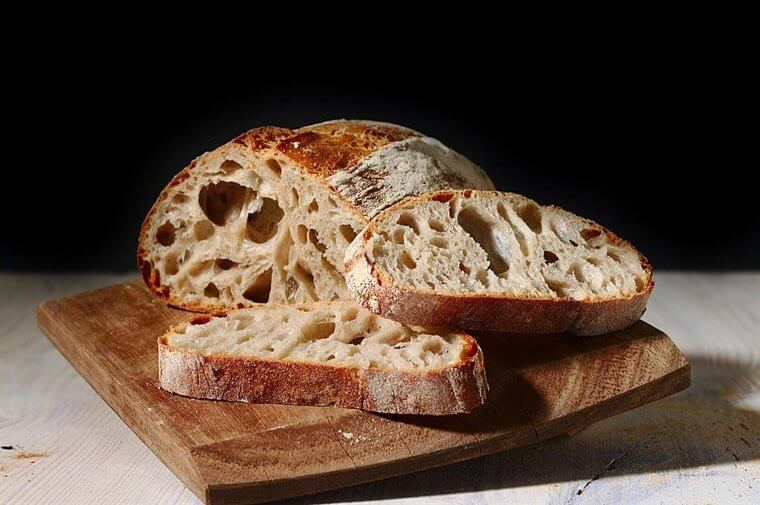
The cold air pulls the life out of a fresh sourdough or sandwich loaf, leaving you with a leathery crust and a parched interior. For longevity, keep bread wrapped on the counter.
Whole Pumpkins: Cold and Damp Shelving Can Soften the Rind and Lead to Premature Rotting
Pumpkins need a bit of tender love and care, just like any other plant. So when you first get them, you should leave them on a windowsill to 'cure'. This means giving them some fresh sunlight energy to help them along in their journey to your belly. After that, move them to a dry, dark place. If you put them in the fridge they'll 'cure' too fast. As you can see, you have to be sure to look after pumpkins in the right way.
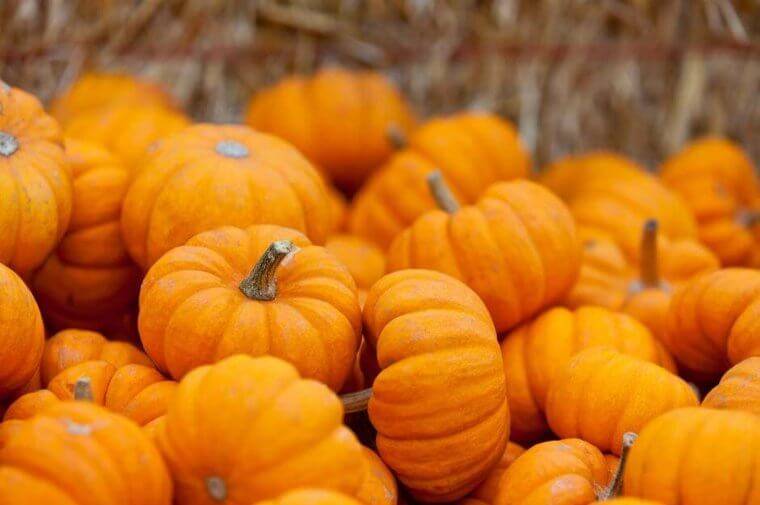
The end result is a wonderfully delicious and nutritious treat that can be used in pies, curries, or served roasted on its own.
Whole Mangos: Frigid Temperatures Stop the Ripening Process and Can Result in Pitted or Chilled Skin
Mangos are tropical fruits that require warm temperatures to complete their ripening cycle and develop their characteristic tropical aroma. Frigid temperatures in the refrigerator can cause "chilling injury," which stops the ripening process in its tracks and prevents the fruit from ever becoming sweet. This injury often appears as dark, pitted spots or a "scalded" look on the skin. Internally, the flesh can become grayish and lose its succulent, juice-filled texture.
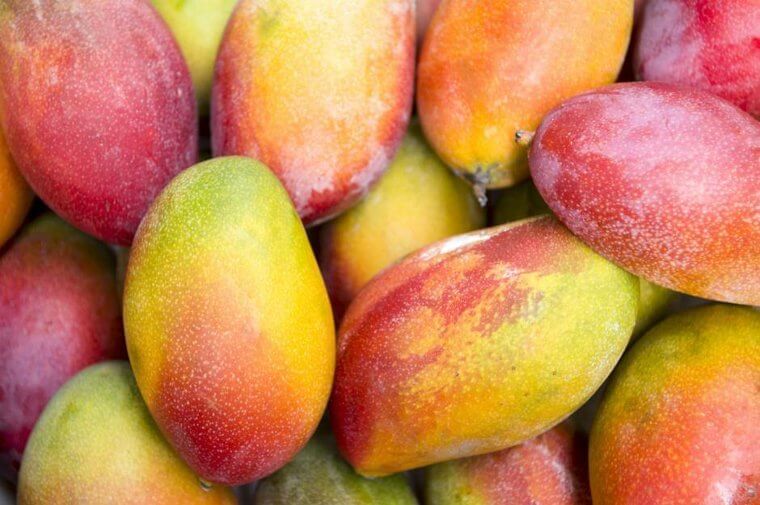
For a mango that tastes like the islands, let it ripen fully on your kitchen counter until it smells fragrant at the stem before consuming.
Coffee Beans: The Refrigerator Creates Condensation That Ruins the Complex Oils and Aromas of the Roast
Coffee is highly hygroscopic, meaning it greedily absorbs moisture and odors from its surroundings. The refrigerator is a nightmare for coffee beans because every time the door opens, the change in temperature creates condensation inside the bag. This moisture strips away the delicate essential oils that provide coffee its complex flavor and aroma, leaving you with a flat, bitter brew. Furthermore, your beans will end up tasting like yesterday’s leftovers.
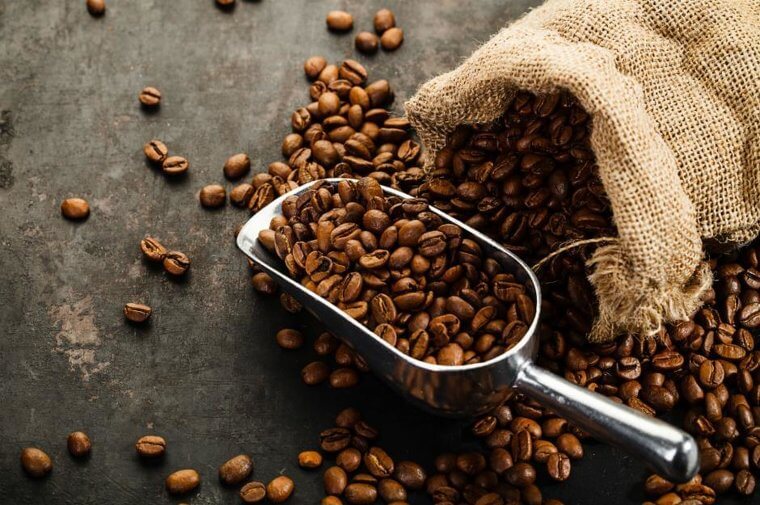
To protect the integrity of your roast, store beans in an opaque, airtight container in a cool, dark cupboard, and only grind them right before brewing.
Whole Watermelon: Chilled Air Can Deplete Healthful Antioxidants and Disrupt the Fruit's Natural Color
Research has shown that whole watermelons lose a significant portion of their nutritional value when refrigerated. At room temperature, watermelons continue to produce healthful antioxidants like lycopene and beta-carotene. The cold environment of a fridge disrupts this process and can even lead to the breakdown of the fruit's natural pigments, causing the red flesh to look pale and unappealing. Chilled air also affects the cell walls, making the melon feel mealy rather than crisp.
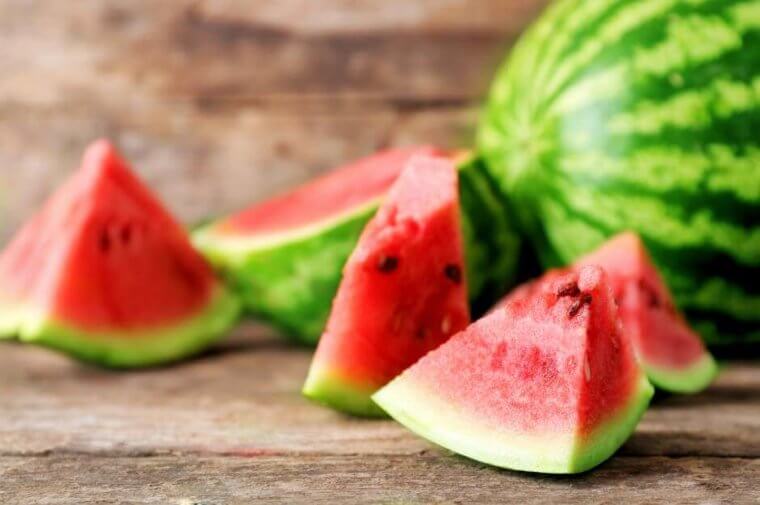
To maximize both flavor and health benefits, keep your whole watermelon on the counter and only chill it briefly right before serving.
Eggplants: Chilly Temperatures Can Damage the Delicate Flesh and Lead to Pitting or Soft Spots
Eggplants are surprisingly delicate and do not fare well in temperatures below 10 degrees Celsius. When stored in a cold refrigerator, the eggplant's thin skin can suffer from pitting—tiny, sunken spots that lead to rapid decay. The interior flesh, which should be firm and creamy, can develop brown spots and a spongy, watery texture that makes it difficult to cook properly. Because eggplants are mostly water, the cold air disrupts their internal moisture balance.
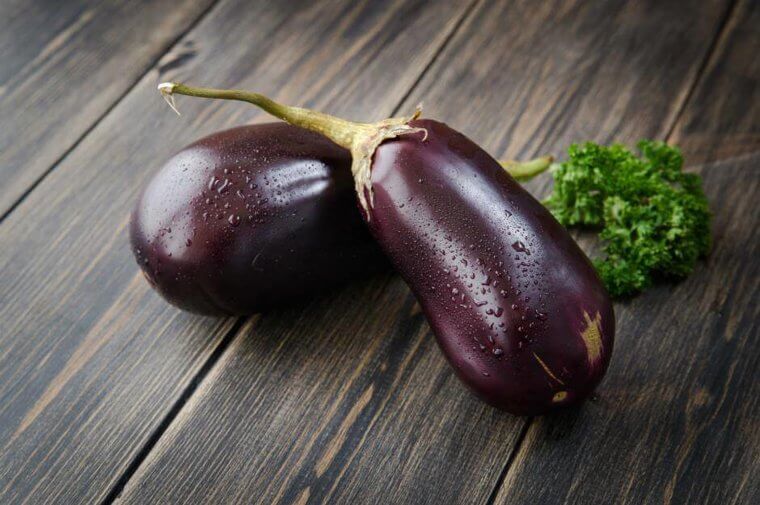
To keep your eggplants glossy and firm, store them in a cool spot in the kitchen and try to use them within a few days of purchase.
Frosted Cakes: Cold Air Dries Out the Sponge and Causes the Delicate Sugars to Crystallize and Harden
A cake is a delicate balance of moisture and air, and the refrigerator is a giant dehumidifier. Cold air quickly pulls moisture out of the sponge, leaving the cake dry and "tight." For the frosting, the fridge is equally treacherous; the fats in buttercream harden, and the high sugar content can cause a grainy crystallization, ruining the smooth finish. If the cake contains fondant, the humidity of the fridge can cause the sugar to "sweat."
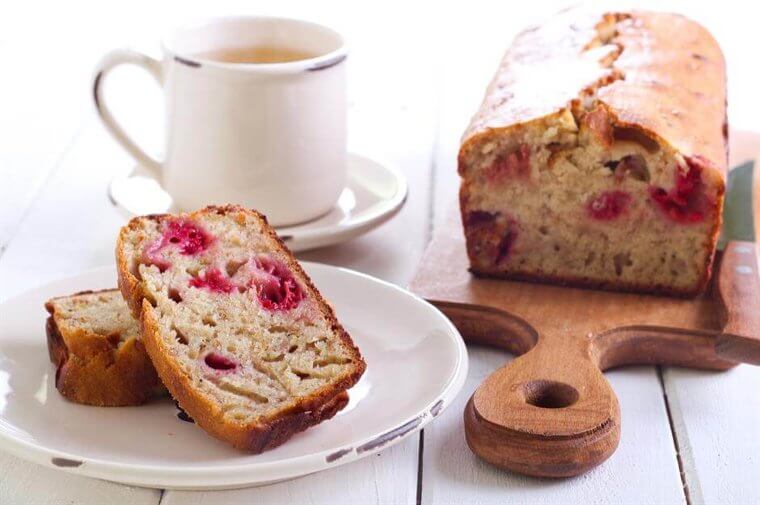
And that will lead to colors bleeding and a sticky, melted appearance. Unless the cake has a perishable filling like custard, it is best kept under a cake dome.
Whole Bananas: The Cold Turns the Peel Black and Prevents the Fruit From Ever Reaching Peak Sweetness
Bananas are the ultimate tropical fruit, and their cell walls are not designed to withstand the cold. When you put a whole banana in the fridge, the cold causes the enzymes in the skin to break down, turning the peel a dismal, bruised black almost overnight. While the fruit inside might stay firm for a little longer, the cold prevents the starch-to-sugar conversion that gives bananas their sweetness.
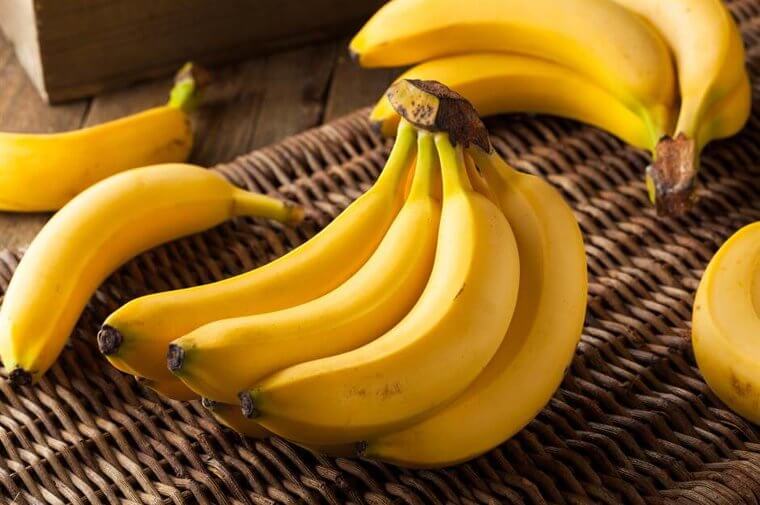
This results in a fruit that is visually unappealing and tastes bland. For a bright yellow, sweet banana, keep them in a bunch on a hanger or the kitchen counter.
Hot Sauce: High Vinegar Content Keeps It Safe in the Pantry While Cold Temps Dull the Spicy Peppers
Hot sauce is built on a foundation of vinegar and salt—two of the world’s oldest and most effective preservatives. Because of its high acidity, hot sauce is perfectly safe in the pantry and does not require refrigeration to stay fresh. In fact, extreme cold can dull the volatile capsaicin compounds that give the peppers their heat, and it can cause some ingredients to settle or separate in an unappealing way.
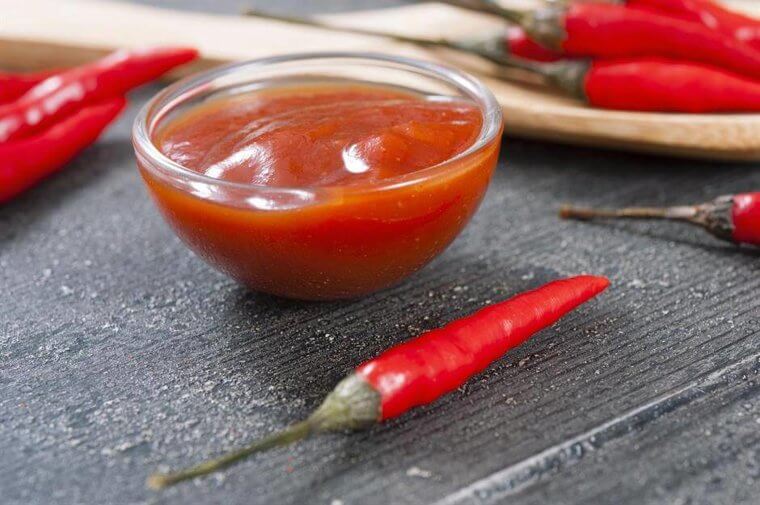
Storing hot sauce at room temperature allows the flavors of the fermented peppers and spices to remain vibrant and ready to provide that perfect, fiery kick to your meal.
Oil-Based Salad Dressings: Refrigeration Causes the Ingredients to Separate and the Healthy Oils to Solidify Into a Thick Mess
Oil-based dressings are a chemistry experiment waiting to go wrong in the cold. When you tuck that vinaigrette into the fridge, the low temperatures cause the fatty acid chains in healthy oils—like extra virgin olive or avocado oil—to move closer together and crystallize. This results in a cloudy, solidified mass that refuses to pour. Beyond the physical annoyance, refrigeration forces the emulsifiers to fail, leading to a permanent separation of vinegar and oil.

Keeping them at room temperature ensures the infusion of herbs remains potent and the texture stays silky and ready for drizzling, preserving the perfect mouthfeel.
Dried Fruits: Cold Temperatures Introduce Unnecessary Moisture That Ruins the Chewy Texture and Encourages Clumping
The entire point of drying fruit is to remove moisture to concentrate sugars and create a specific chewy resistance. The refrigerator is a high-humidity environment that introduces unwanted condensation back into the fruit’s porous structure. This extra moisture makes the exterior sticky and encourages individual pieces to clump together into an inseparable block. Furthermore, the cold temperature suppresses the natural fruit esters, making a prune or apricot taste dull and "refrigerator-flavored."
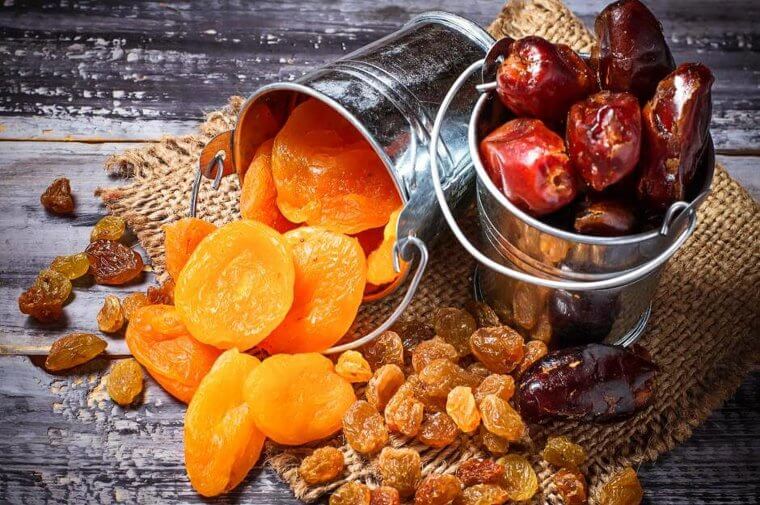
Storing them in an airtight container in a cool, dark pantry preserves that perfect balance of chewiness and concentrated sweetness while preventing any unappealing flavor contamination from other foods.
Maple Syrup: Cold Storage Increases Viscosity and Makes the Liquid Too Thick to Pour Smoothly
Maple syrup is a highly concentrated sugar solution, and cold temperatures are the enemy of its fluid dynamics. As the temperature drops, the viscosity of the syrup increases significantly, turning a graceful pour into a frustratingly slow crawl. More importantly, refrigeration can actually encourage the sugar to fall out of its stable liquid state and form gritty crystals at the bottom of the jug. By keeping your syrup in the pantry, you maintain its complex, woody flavor profile.

And it ensures it maintains the light, amber consistency necessary to soak into pancakes and waffles without the need for reheating or struggling with the bottle.
Chocolate: Refrigeration Can Cause "Sugar Bloom" and Distort the Smooth Mouthfeel of the Cocoa
Chocolate is incredibly sensitive to temperature swings. When chilled, the moisture in the fridge can cause the sugar to dissolve and then recrystallize on the surface as a white, powdery film known as "sugar bloom." While it’s still safe to eat, the luxurious, velvety mouthfeel is completely compromised. Chocolate also acts like a sponge, absorbing the odors of surrounding leftovers like onions or blue cheese.

To enjoy the complex notes of the cocoa bean and that satisfying "snap" when you break a square, keep your bars in a cool, dry cupboard away from the light, maintaining the perfect tempering of the cocoa butter.
Pastries: The Fridge Environment Turns Flaky Crusts Soggy and Hardens Butter-Rich Doughs
The refrigerator is where flaky pastries go to die. The cold air accelerates a process called starch retrogradation, which essentially pulls moisture out of the dough and turns it stale and leathery much faster than at room temperature. For butter-heavy items like croissants or danishes, the fridge hardens the fat layers, destroying the delicate, airy "shatter" of the crust. Furthermore, the humid environment of a fridge turns crisp glazes into a sticky, soggy mess.

To keep your baked goods at peak bakery quality, leave them on the counter or freeze them for long-term storage, avoiding the rubbery, dense texture of refrigeration.
Peanut Butter: Cold Temperatures Make the Spread Hard to Work With and Cause Natural Oils to Separate and Stiffen
Commercial peanut butter is processed to be shelf-stable, and natural varieties rely on their own oils for consistency. Placing the jar in the fridge causes those oils to stiffen and the protein solids to tighten, resulting in a texture that is nearly impossible to spread without tearing your bread apart. For natural peanut butters, the cold prevents you from easily stirring the separated oil back into the nut butter, leaving you with a dry, crumbly paste at the bottom.
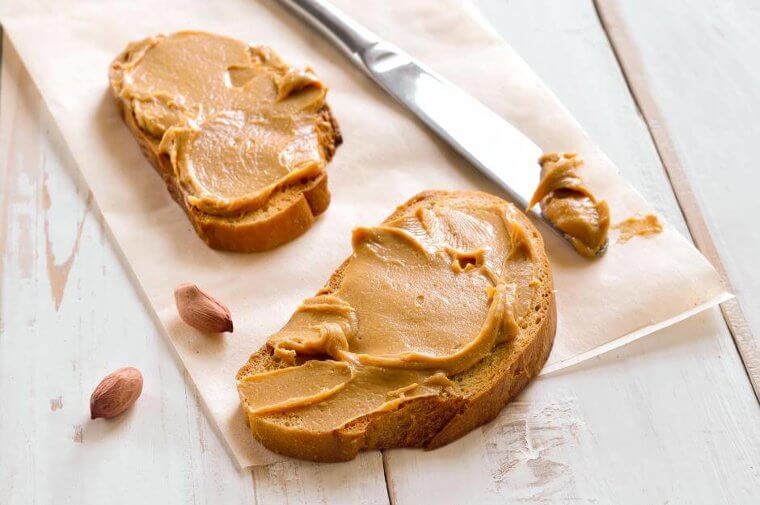
Keeping it at room temperature ensures a smooth, creamy application and a more robust, roasted nut aroma that cold storage simply mutes.
Whole Peaches: Chilly Air Prevents the Fruit From Becoming Juicy and Turns the Flesh Unpleasantly Mealy
A peach needs ambient heat to complete its transformation from a firm drupe to a succulent, juice-dripping wonder. Placing an unripened peach in the fridge halts the enzymatic reactions responsible for creating sugar and softening the pectin. This "chilling injury" results in a mealy, woolly texture that lacks any juice. Even a ripe peach loses its floral fragrance in the cold. To experience the true essence of summer, let your peaches sit on the counter until they yield to gentle pressure.
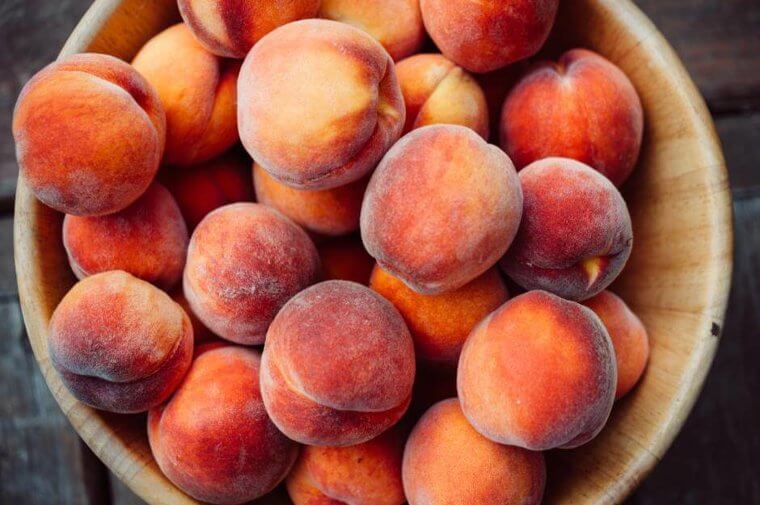
You should only use the fridge as a last resort to prevent immediate rot after they have reached their peak ripeness.
Pickled Vegetables: The High Acid and Salt Content Already Preserve the Jar While Cold Air Dulls the Brine’s Flavor
The very essence of pickling is preservation through acidity and salt, making the refrigerator unnecessary for safety. In fact, the cold can be detrimental to the experience; it numbs the tongue, making the vibrant, tangy notes of the brine feel flat and one-dimensional. The crispness of a pickled cucumber or carrot is also best maintained at a moderate temperature, as extreme cold can cause the cell walls to contract and lose their "crunch."
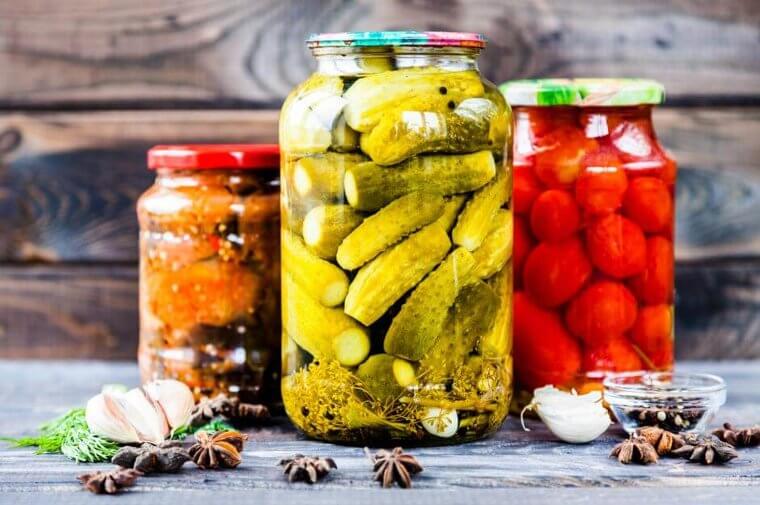
Keeping your jars in a dark pantry allows the spices—like dill, mustard seed, and peppercorns—to continue mellowing and infusing the vegetables with their full aromatic potential.
Assorted Spices: Chilly Air and Condensation Strip Away Essential Oils and Lead to a Blah Flavorless Seasoning
Spices are defined by their volatile essential oils, which are easily degraded by the moisture and temperature fluctuations found in a refrigerator. Every time you open a chilled jar of spice, condensation forms inside, which can lead to clumping and, in some cases, the growth of mold. More importantly, that moisture leaches the flavor out of the spices, leaving you with a bland powder that does nothing for your cooking.
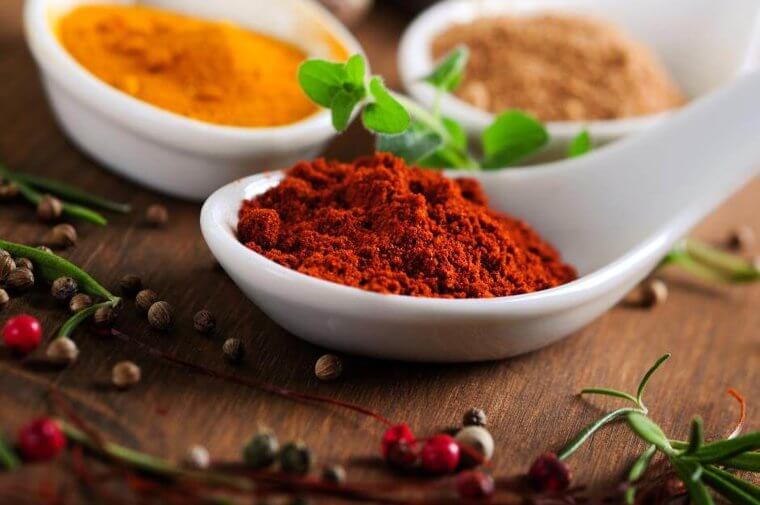
To maximize the shelf life and potency of your cinnamon, cumin, or paprika, store them in airtight glass jars in a cool, dry, and dark space rather than the fridge.
Chocolate Spread: Refrigeration Makes the Texture Too Stiff to Spread and Can Mute the Rich Cocoa Flavor
Most chocolate-hazelnut spreads contain a high proportion of fats and sugars designed to remain pliable at room temperature. When you refrigerate them, the fats (usually palm or sunflower oil) solidify, turning a creamy treat into a rock-hard block that is impossible to dip or spread. Not only does this ruin the physical experience, but the cold also masks the subtle nuttiness of the hazelnuts and the richness of the cocoa.
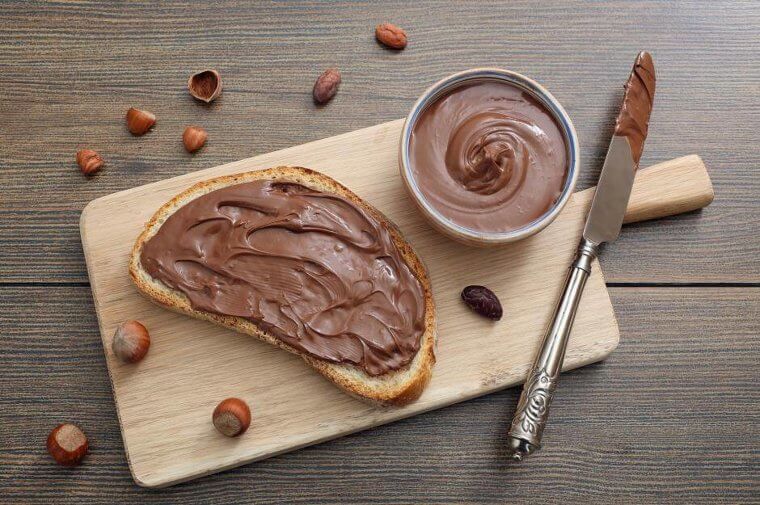
To keep your spread smooth enough for a strawberry dip or a morning toast, the pantry is the only place it belongs to maintain its glossy, velvety, and spreadable consistency.
Ketchup Bottles: High Acidity and Natural Preservatives Keep the Sauce Fresh in the Pantry Without Dulled Flavors
Ketchup is a powerhouse of natural preservatives. Between the high concentration of vinegar (acid) and the salt and sugar content, it is highly resistant to bacterial growth. Storing it in the fridge is a common habit, but it’s largely unnecessary and can actually dull the bright, umami-rich tomato flavor. Cold ketchup can also shock the palate when applied to hot fries or burgers, creating an unpleasant temperature contrast.
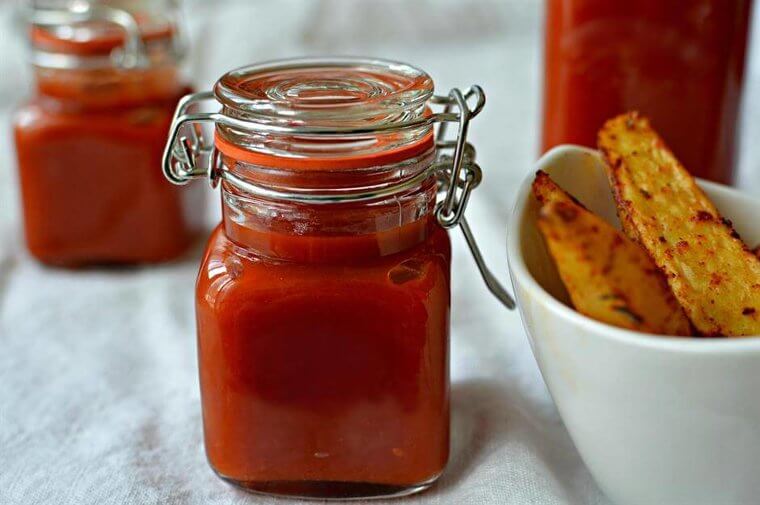
By keeping the bottle in the cupboard, you ensure the sauce remains at a consistency that flows easily and maintains its sharp, vinegary "zing" without being muted by the cold air.
Assorted Jams: The High Sugar Content Acts as a Natural Preservative While the Fridge Can Crystalize the Fruit and Mute the Bright Flavors
The high sugar content in jams and jellies acts as a powerful humectant, binding water and preventing spoilage. While many people refrigerate jam after opening, the cold environment can cause the sugar to crystallize, resulting in a gritty, sandy texture that ruins the smooth fruit spread. Additionally, the cold mutes the aromatic compounds of the fruit, making a strawberry or raspberry jam taste like generic sweetness rather than fresh berries.

Keeping your jam in a cool pantry preserves the bright, tart fruit notes and maintains that perfect, jelly-like wobble that spreads easily on warm toast or fresh breakfast biscuits.
Soy Sauce: The High Salt Content Naturally Ferments and Preserves the Liquid at Room Temp While Cold Storage Dulls the Umami Profile
Soy sauce is a fermented product with a salt content high enough to keep it shelf-stable for months, if not years. When you put soy sauce in the fridge, you aren't just wasting space; you’re actually muting the complex umami flavors that developed during the months of fermentation. The cold prevents the subtle caramel and earthy notes from blooming on your palate. Furthermore, some high-quality soy sauces may develop salt crystals in the cold.
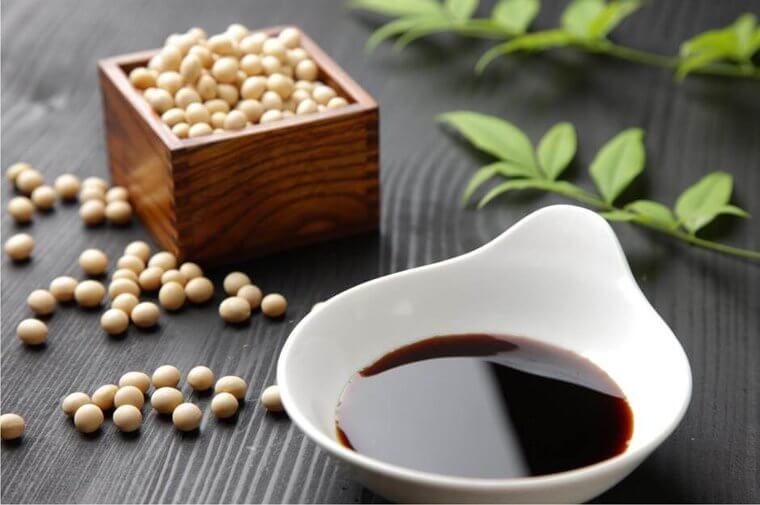
For the best flavor experience in your stir-fries and marinades, keep the bottle in a dark cupboard at room temperature where its fermentation can remain stable.
Bubbly Champagne: Long-Term Refrigeration Dries Out the Cork and Allows Air to Seep In, Flattening the Bubbles and Oxidizing the Delicate Notes
While we love a cold glass of bubbly, the refrigerator is a terrible place for long-term storage of Champagne. The constant vibration of the fridge motor can disturb the sediment and the aging process, but the real enemy is the dry air. Most refrigerators have very low humidity, which causes the cork to shrink and dry out. Once the seal is compromised, the precious carbonation escapes—leaving the wine flat—and oxygen enters.

The oxygen turns those delicate notes of brioche and green apple into a vinegary, oxidized mess. Store your bottles horizontally in a cool, dark basement instead of the kitchen refrigerator.
Citrus Fruits: Cold Temperatures Can Damage the Delicate Peel and Stop the Fruit From Developing Its Full, Juicy Sweetness
Lemons, limes, and oranges are tropical and subtropical fruits that are not biologically adapted to the cold. Refrigerating them can lead to "pitting" or brown spots on the skin, a sign of chilling injury. The cold air also tends to dry out the interior of the fruit, making it harder to extract juice when you need it for cooking or cocktails. Citrus fruits are most fragrant and yield the most juice when kept at room temperature.

If you want to brighten your kitchen, keep them in a bowl on the counter where they can breathe and ripen naturally and juicily.
Butter Blocks: Cold Storage Keeps the Fat Rock-Hard and Prevents the Creamy Development of Its Natural Dairy Flavors
While butter is a dairy product, its high fat and low water content make it surprisingly resistant to spoilage at room temperature for several days. Keeping a portion of butter on the counter ensures it stays at the perfect consistency for spreading without tearing your bread. When butter is kept in the fridge, the fat molecules lock together, making it rock-hard. This cold storage also prevents the delicate, creamy aromas from being released when eaten.
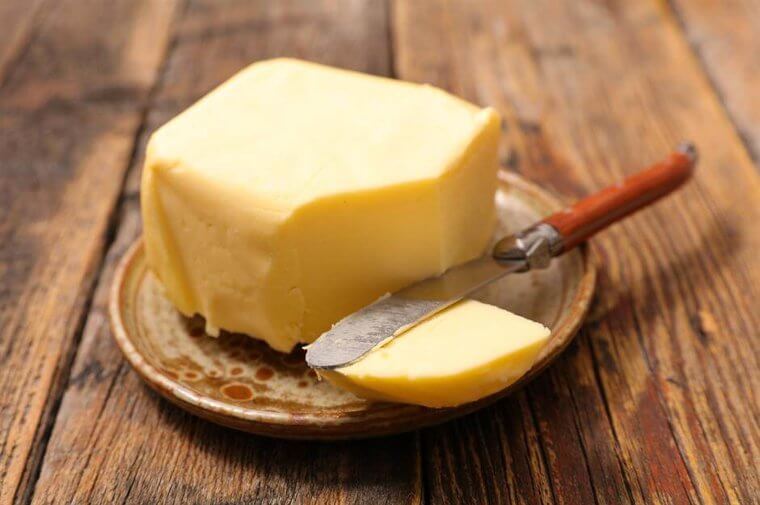
Using a butter bell or an opaque dish on the counter allows you to enjoy the full, rich flavor and perfect texture of the churned cream.
Fresh Eggs: Drastic Temperature Fluctuations Can Compromise the Shell’s Integrity and Dull the Natural Flavor of the Yolk
In many parts of the world, eggs are never refrigerated because the natural protective coating (the bloom) remains intact. When you refrigerate eggs, the shell becomes more porous due to temperature fluctuations, which can allow the egg to absorb strong smells from the fridge like fish or onions. Additionally, cold temperatures can make the egg whites more watery and the yolks less vibrant. For baking, room-temperature eggs emulsify much better into batters, leading to a superior rise and texture.
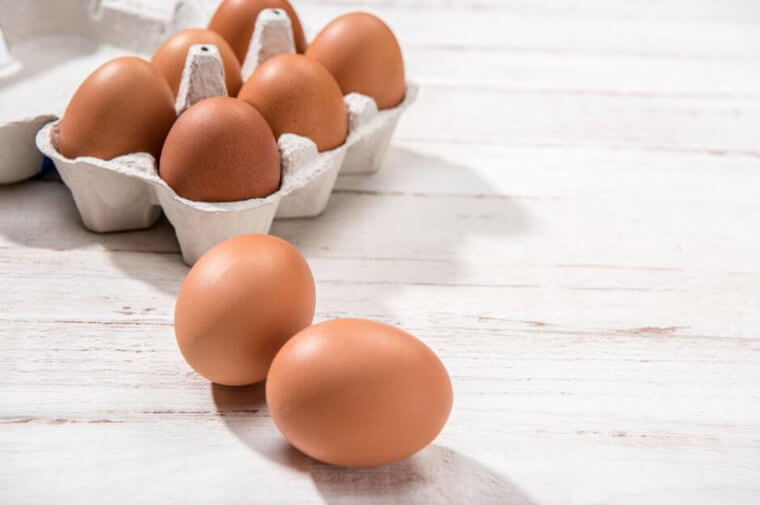
Unless your kitchen is sweltering, eggs are perfectly happy and often more flavorful when kept in a basket on the counter.
Soft, Fresh Herbs: Cold Air Wilts the Delicate Leaves and Causes Them to Absorb Unwanted Fridge Odors, Stripping Away Their Bright Fragrance
Herbs like basil, cilantro, and parsley are incredibly sensitive to the cold. Refrigeration often causes the leaves to turn black and slimy within days as the cold air breaks down their delicate cell walls. Furthermore, these herbs are highly aromatic and will quickly soak up the "fridge smell," ruining their culinary value. The best way to treat soft herbs is like a bouquet of flowers: trim the stems and place them in a glass of water on the counter.
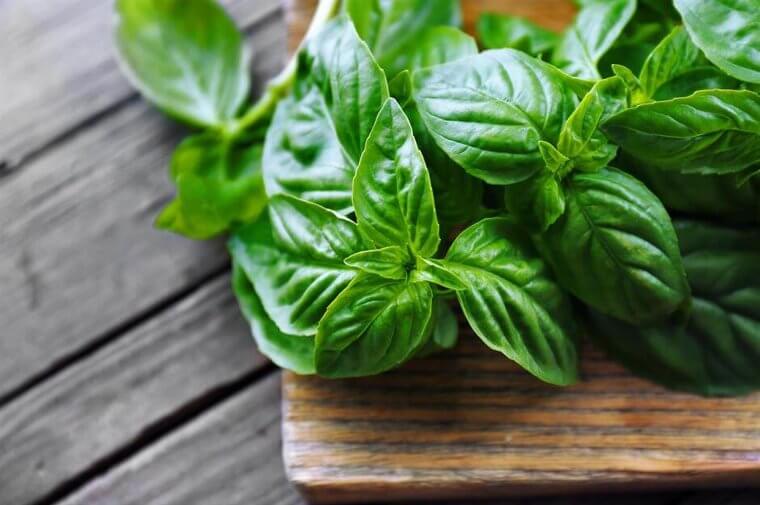
This keeps them hydrated, fragrant, and vibrant for much longer than the crisper drawer ever could, preserving their essential oils.
White Wines: Extended Cold Storage Can Mute the Sophisticated Aromatics and Cause the Tartaric Acid to Precipitate Into Gritty Crystals
It is a common misconception that white wine should be stored in the refrigerator indefinitely. While it should be served chilled, long-term cold storage mutes the sophisticated aromatics that give white wine its character. Extreme cold can also cause tartaric acid to stabilize and precipitate out of the wine, forming "wine diamonds" or gritty crystals at the bottom of the bottle. These are harmless but unappealing.

For the best aging and flavor, store white wine at a consistent temperature and only move it to the fridge an hour before you plan to uncork it to preserve its delicate bouquet.
Fresh Tomatoes: Cold Temperatures Break Down the Cell Membranes and Turn the Flesh Mealy While Muting Their Natural Sugary Fragrance
The refrigerator is the ultimate enemy of a good tomato. Cold temperatures trigger a chemical change that permanently breaks down the fruit's cell membranes, resulting in a mealy, mushy texture. Even more tragic is the loss of flavor; the cold shuts down the enzymes that produce the volatile compounds responsible for that "fresh tomato" smell and taste. Once a tomato has been chilled, it will never regain its sugary, acidic balance.
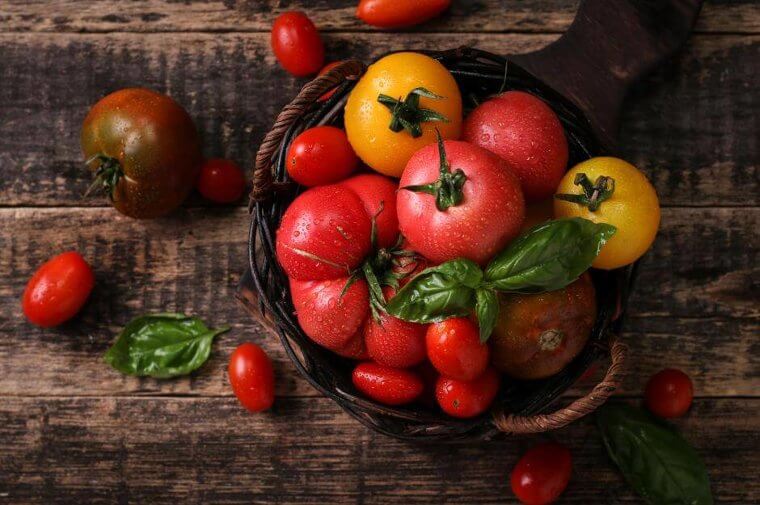
To keep your tomatoes juicy and flavorful, store them stem-side down on a plate at room temperature and keep them out of direct sunlight for the best results.
Mixed Berries: Refrigeration Introduces Excess Moisture That Softens the Delicate Skins and Accelerates the Growth of Mold and Mildew
Berries are like tiny sponges; they thrive on the counter but suffer in the fridge. The high humidity of a refrigerator introduces excess moisture to the berries' thin skins, which creates a breeding ground for mold and mildew. If you’ve ever noticed a pint of raspberries turning fuzzy overnight in the fridge, moisture is the culprit. Cold air also suppresses the natural sweetness of strawberries and blueberries, making them taste tart and flat.
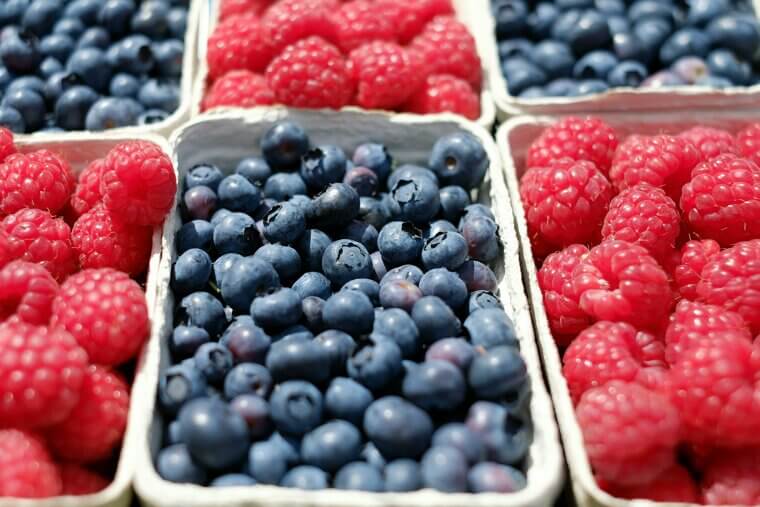
It’s best to buy berries in small quantities, keep them on the counter, and wash them only seconds before you eat them to ensure they stay firm.
Bell Peppers: Chilly Air Dulls Their Vibrant Snap and Causes the Skin to Lose Its Firmness, Leading to a Limp and Rubbery Texture
Bell peppers lose their characteristic "snap" when stored in the cold. The refrigerator's air pulls moisture from the pepper's walls, causing the skin to become wrinkled and the flesh to turn rubbery and limp. This is particularly noticeable in green and red peppers, which rely on their firm structure for use in salads and platters. Additionally, the cold can dull the vibrant pigments of the pepper, making them look less appetizing.
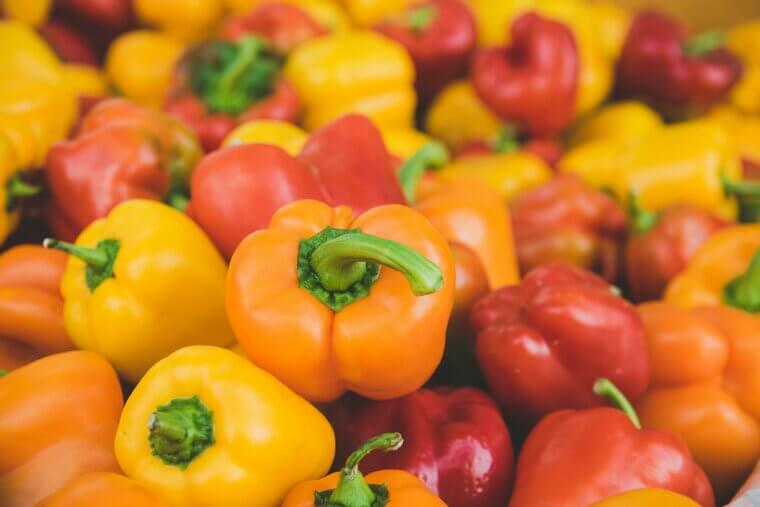
For the crunchiest, most colorful peppers, keep them in a cool spot in your kitchen and use them within a few days of purchase to maintain their snap.
Plums: Refrigeration Halts the Natural Ripening Process and Transforms the Succulent Flesh Into a Dry, Mealy Texture
A plum is a stone fruit that relies on warmth to develop its deep, honey-like sweetness and melting texture. Placing a firm plum in the refrigerator puts it into a state of "suspended animation," where it will never properly ripen. Instead of getting juicy, the flesh will turn dry, grainy, and flavorless—a phenomenon known as "leatheriness." Even if the plum is already ripe, the fridge will quickly zap its aroma.
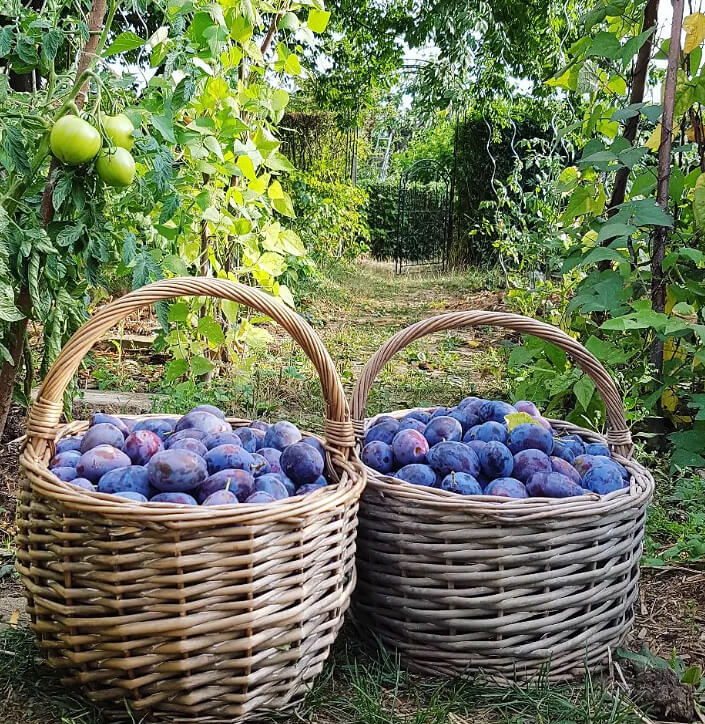
To enjoy a plum at its peak, let it soften on the kitchen counter until the skin feels thin and the fruit is heavy with its natural, sweet juices.
Fresh Pears: Cold Air Stunts the Ripening Process and Turns the Fragile Flesh Grainy Instead of Buttery and Succulent
Pears are unique because they actually ripen from the inside out after being harvested. To achieve that buttery, succulent texture that defines a perfect pear, they need a consistent room temperature. Cold air in the refrigerator halts this internal ripening process, often resulting in a pear that stays hard on the outside but turns brown and "sleepy" on the inside. If you refrigerate a pear too early, it will become grainy and lose its delicate, floral perfume.
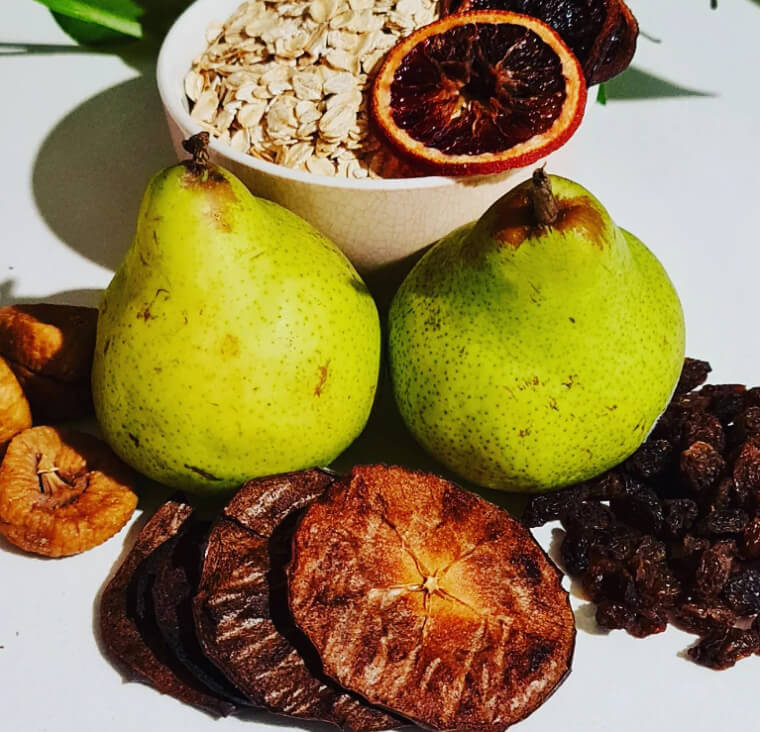
Keep your pears in a fruit bowl and test the "neck" for ripeness with a gentle thumb press before considering any cooling.